A step-by-step lawn soil testing guide: sampling tips, DIY kits vs lab tests, where to test, and how to read pH and nutrient results to fix thin turf and bar...
lawn care
About Mark Vance
 Mark Vance
 is a former professional landscaper and the lead turf enthusiast at Yard Mentor. With over 15 years of experience in soil health, turf management, and residential landscaping, he is dedicated to helping homeowners transform frustrating dead patches into lush, healthy lawns. When he isn't testing new grass seed blends, you can find him enjoying a Saturday morning coffee looking out over his freshly striped yard.
Updated October 17, 2026
Created October 17, 2026
Mark Vance
Mark Vance is a former professional landscaper and the lead turf enthusiast at Yard Mentor. With over 15 years of experience in soil health, turf management, and residential landscaping, he is dedicated to helping homeowners transform frustrating dead patches into lush, healthy lawns. When he isn't testing new grass seed blends, you can find him enjoying a Saturday morning coffee looking out over his freshly striped yard.
Updated October 17, 2026
Created October 17, 2026

Welcome
Hey neighbor, I’m Mark Vance. If you’re here because your lawn is patchy, weedy, or just plain confusing, you’re in the right place. Yard Mentor is where I turn the fence-line advice I used to give friends and neighbors into clear steps you can use whenever you’ve got a free hour on a weekend.
I’m not here to sell you a “perfect lawn” fantasy or a garage full of pricey products. I’m here to help you build a healthier lawn you can actually maintain, using a methodical plan, a little soil science, and a lot of patience.
How I got into lawns
My lawn care obsession started the way many do: I bought my first house in the Midwest and walked out back to a yard that was more crabgrass and mud than actual turf. It was the kind of lawn that made you avoid hosting a cookout because you knew someone would step in a soft spot and sink a shoe.
I did what most homeowners do at first. I guessed. I tried random fertilizer. I mowed too short. I watered at the wrong times. Then I finally got serious and spent a summer learning the basics that no one had explained to me clearly: soil pH, compaction, overseeding timing, and what aeration actually does.
Once I understood the “why,” I rebuilt that yard step by step. It didn’t change overnight, but it stuck. One fall of mowing higher, overseeding at the right time, and watering consistently took it from muddy and thin to something I didn’t mind showing off.
That experience turned into years of hands-on work with residential cool-season lawns in the Midwest, including running weekly maintenance routes and helping homeowners troubleshoot problem yards when they were tired of wasting money. I still remember how overwhelming it felt in the beginning, which is why I write the way I do now: calm, practical, and focused on results you can repeat.
What I do here
I run Yard Mentor, and most of what I share comes from years of working on residential lawn maintenance and turf troubleshooting, mostly in cool-season grass regions where spring and fall do the heavy lifting. The goal is simple: help you stop guessing and start making moves that actually work.
- Seasonal fertilizing: What to apply, when to apply it, and how to avoid the classic mistakes that burn grass or feed weeds.
- Weed ID: Figuring out what you’re actually fighting, because dandelions, crabgrass, clover, and nutsedge don’t play by the same rules.
- Brown patch diagnosis: Drought stress, fungus, dog spots, grubs, dull mower blades, compacted soil, or something else entirely. The fix depends on the cause.
And yes, I’m still the guy testing grass seed blends. It’s half curiosity, half love of a good before-and-after.
The mission
Yard Mentor exists for one reason: to help you build a lawn you feel proud of without wasting money or weekends on trial and error.
I believe most lawns struggle for predictable reasons, not because the homeowner “doesn’t have a green thumb.” Usually it comes down to one of these:
- The soil is compacted, too acidic, too alkaline, or low on organic matter.
- The grass type is wrong for the sun and shade you have.
- Mowing height is working against you.
- Watering is inconsistent or timed poorly.
- Seeding and feeding happen at the wrong time of year.
My goal is to help you spot the real problem and fix it in the simplest way possible.
What to expect
When you read Yard Mentor, you’ll get straight answers and clear steps. I try hard to keep things approachable, but I don’t dumb them down. Lawns are living systems, and once you understand a few fundamentals, everything else starts to click.
Here’s what you’ll see again and again in my guides:
- Simple routines that work: mowing, watering, and seasonal checklists you can follow.
- Product advice with context: what an N-P-K ratio actually means for your goal, not just a recommendation.
- Decision trees for common problems: “If it looks like this, do that” troubleshooting that saves you time.
- Budget-friendly options: what to do first when you can’t fix everything at once.
If you ever feel stuck, I want you to leave with a plan, not just information.
Start here
If you’re new, don’t overthink it. Start with these basics:
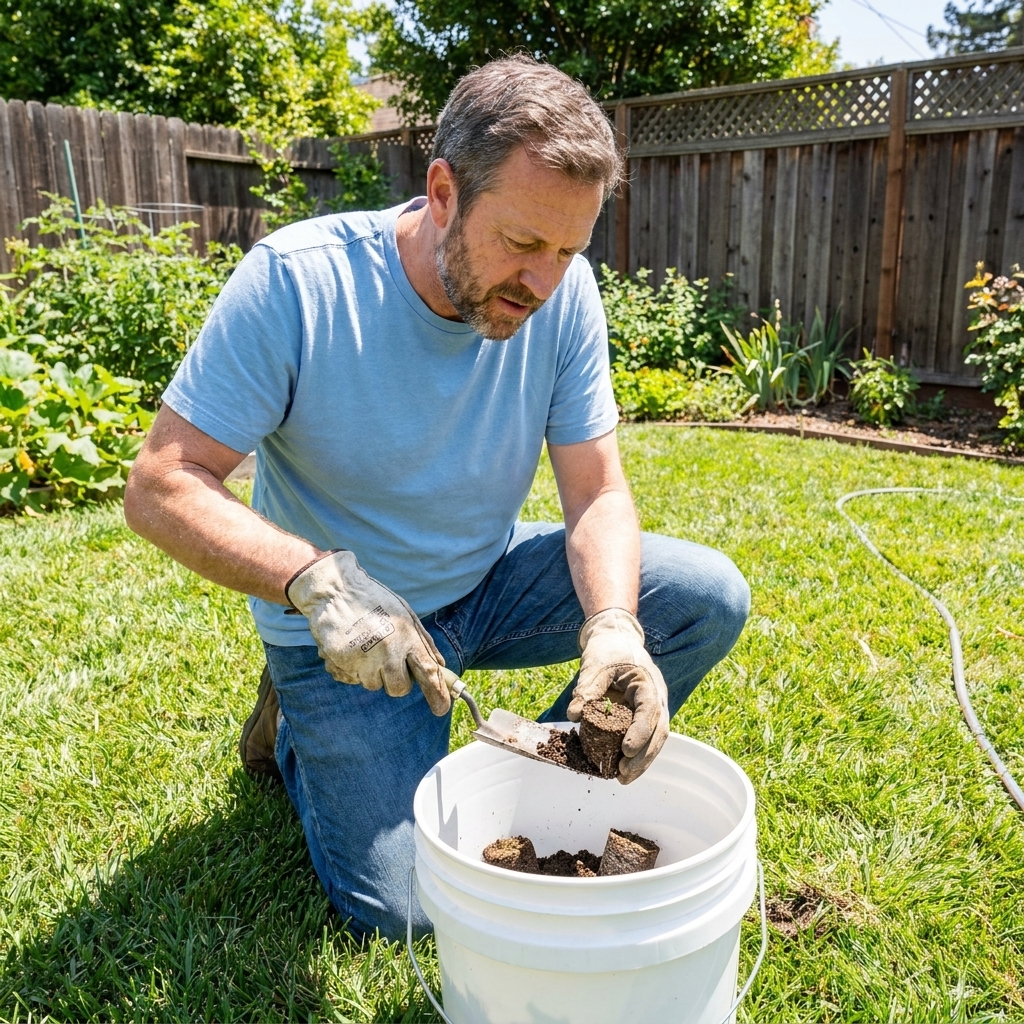
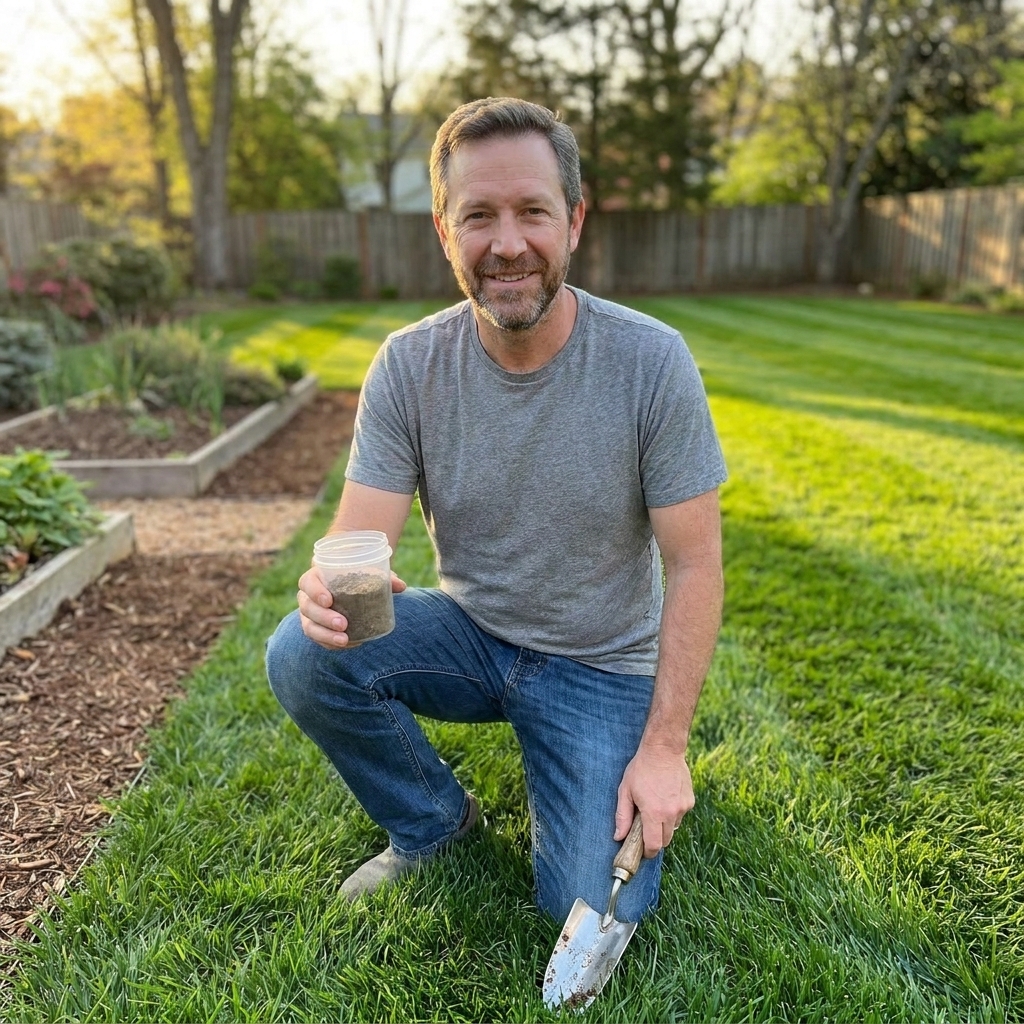
- Get a soil test: it’s one of the fastest ways to stop guessing, and it gives you a baseline you can build on once you interpret the results.
- Dial in mowing height: it’s the easiest win most lawns need.
- Pick the right overseeding window: timing matters more than brand.
- Identify the weed first: the right fix depends on what it is.
If you’re outside the Midwest or you’re working with warm-season grass, you can still use a lot of the same principles, but timing, application rates, and even what’s legal to apply can change.
My approach
If I could put my whole approach on a sticky note, it’d be this: test first, then act. A basic soil test and a realistic look at sunlight, irrigation, and traffic patterns can often solve more problems than another “miracle” product ever will.
From there, it’s about stacking small wins:
- Mow higher than you think you should.
- Feed the grass when it’s actively growing.
- Overseed when temperatures favor germination, not when the garden center display looks tempting.
- Water deeply, then let the soil breathe.
And most importantly, give it time. A lawn isn’t a light switch. It’s more like a savings account. Consistent deposits beat occasional splurges.
Quick safety note: Any time you’re using fertilizer, weed control, or other lawn chemicals, read and follow the label and local rules. If you’ve got kids, pets, or a sensitive area near water, be extra careful with timing and application.
Thanks for stopping by
I’m genuinely glad you’re here. Whether you’re trying to revive a tired lawn, conquer weeds, or finally figure out what’s causing those mysterious brown patches, you don’t have to do it alone.
Pull up a chair, grab that Saturday morning coffee, and let’s make your yard a place you actually want to look at.