A step-by-step soil prep checklist for grass seed: aeration, pH testing, compost, grading, seed-to-soil contact, and watering setup so seedlings take off fast.
lawn care
Sod vs. Seed
 Mark Vance
 is a former professional landscaper and the lead turf enthusiast at Yard Mentor. With over 15 years of experience in soil health, turf management, and residential landscaping, he is dedicated to helping homeowners transform frustrating dead patches into lush, healthy lawns. When he isn't testing new grass seed blends, you can find him enjoying a Saturday morning coffee looking out over his freshly striped yard.
Updated October 17, 2026
Created October 17, 2026
Mark Vance
Mark Vance is a former professional landscaper and the lead turf enthusiast at Yard Mentor. With over 15 years of experience in soil health, turf management, and residential landscaping, he is dedicated to helping homeowners transform frustrating dead patches into lush, healthy lawns. When he isn't testing new grass seed blends, you can find him enjoying a Saturday morning coffee looking out over his freshly striped yard.
Updated October 17, 2026
Created October 17, 2026
If you are starting a brand-new lawn, the sod vs. seed decision usually comes down to three things: how fast you need green, how much risk you can tolerate, and how much you are willing to spend up front. I have installed plenty of both, and here is the honest truth: either one can look amazing a year from now, but they ask for very different commitments in the first 6 to 10 weeks.
This guide will help you choose based on your yard, your timeline, and your budget, then walk you through the prep and aftercare that actually determines success.
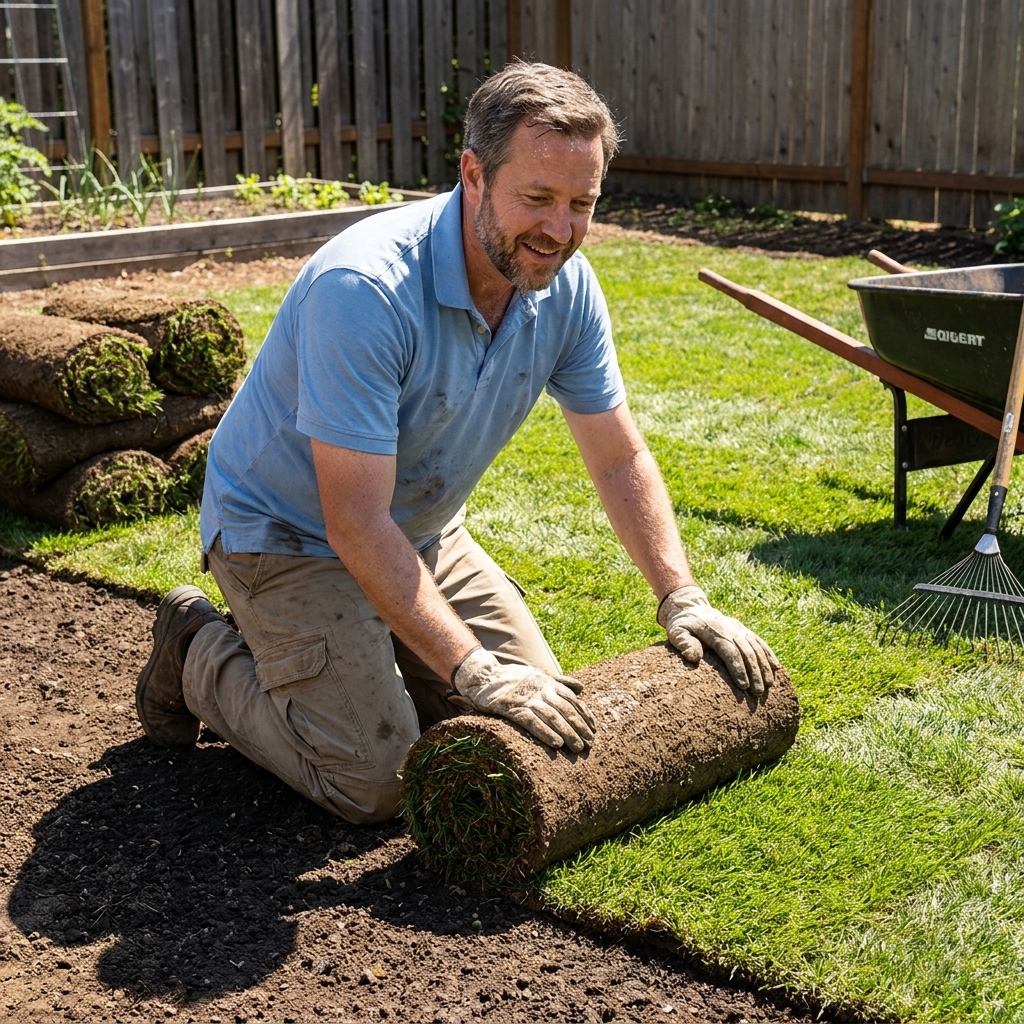
Quick answer: which one should you pick?
- Pick sod if you need a usable lawn fast, you are dealing with erosion or mud, you have kids or pets that will wreck bare soil, or you are planting outside the best seeding window.
- Pick seed if you want the lowest cost, more grass-type options, and you can keep the area consistently watered and protected while it establishes.
If you are on the fence, my default advice for most homeowners is: seed in the best season for your region and put the money you save into soil prep. If you cannot commit to watering and keeping traffic off the area, sod is often the safer bet.
Sod vs. seed at a glance
Here is the comparison I use when I am talking someone through a new lawn install in a quick yard-side chat.
- Up-front cost: Sod is higher. Seed is lower.
- Speed to green: Sod gives instant coverage and an “instant lawn” look. Seed takes weeks.
- Speed to usable lawn: Sod is faster, but still needs rooting time. Seed needs more patience.
- Weed pressure: Good sod starts with fewer weeds. Seeded lawns are more exposed early.
- Risk of failure: Sod fails fast if it dries out, but you know quickly. Seed fails slowly if watering is inconsistent or the soil is poor.
- Grass options: Seed wins. Sod is limited by what growers supply locally.
- Long-term results: Both can be excellent. The winner is almost always the one installed with better prep and better watering.
Cost: what you actually pay for
Costs vary a lot by region and grass type, but the pattern is consistent: sod costs more up front, seed costs less, and soil prep can swing the total either way.
Typical price ranges
These are broad homeowner ballparks for materials only (not including grading, irrigation work, or hiring labor). Your local prices may be higher or lower.
- Sod: Often about $0.40 to $1.00+ per square foot for sod itself, plus delivery in many areas.
- Seed: Often about $0.05 to $0.20 per square foot for quality seed, plus starter fertilizer and a light topdressing.
Quick example per 1,000 sq ft: Seed might land in the rough neighborhood of $50 to $200 for seed alone (more once you add compost and straw). Sod might land around $400 to $1,000+ for the sod itself (plus delivery). Again, these are ranges, but they help set expectations.
Sod costs (what to expect)
Sod is priced per square foot or by the pallet. You are paying for mature turf that took a farm months to grow, plus harvesting and transport. The material cost is the big number, and you may also pay delivery fees.
- Best for: Smaller yards, front lawns where curb appeal matters now, high-traffic areas, slopes where erosion is an issue.
- Hidden costs to plan for: Delivery, soil amendments, renting a roller, extra topsoil for grading, and watering (sod drinks heavily at first).
Seed costs (what to expect)
Seed is much cheaper per square foot, but do not ignore the supporting cast. Quality seed, starter fertilizer, compost or topsoil, and straw or a seed blanket can add up. Even so, seed is usually the budget winner.
- Best for: Large backyards, full renovations, homeowners who enjoy DIY projects and can water consistently.
- Hidden costs to plan for: Soil testing, more weed control later, straw or mulch, and sometimes reseeding thin areas.
My budgeting tip: If your budget is tight, seed is usually smarter, but do not cheap out on seed quality. Look for seed with low weed seed content, high germination, and varieties suited to your climate. Bargain bags can turn into bargain results.
Effort: which one is easier?
Both require prep work. The difference is what happens after install.
Sod effort
- Hard part: The install day. It is physical, time-sensitive work.
- Aftercare: Frequent watering for the first couple of weeks, then tapering. Light use comes sooner, but you still need patience while it roots.
- Common mistake: Not prepping the soil and grade. Sod laid over hard, bumpy, or compacted soil can look fine for a month and then struggle all summer.
Seed effort
- Hard part: The first 3 to 6 weeks of watering and protecting the area, sometimes longer for slow starters like Kentucky bluegrass.
- Aftercare: You are basically on “sprout duty” until the lawn can handle normal irrigation schedules.
- Common mistake: Watering once a day, or letting the surface crust over. Seed needs consistent moisture in the top half-inch of soil.
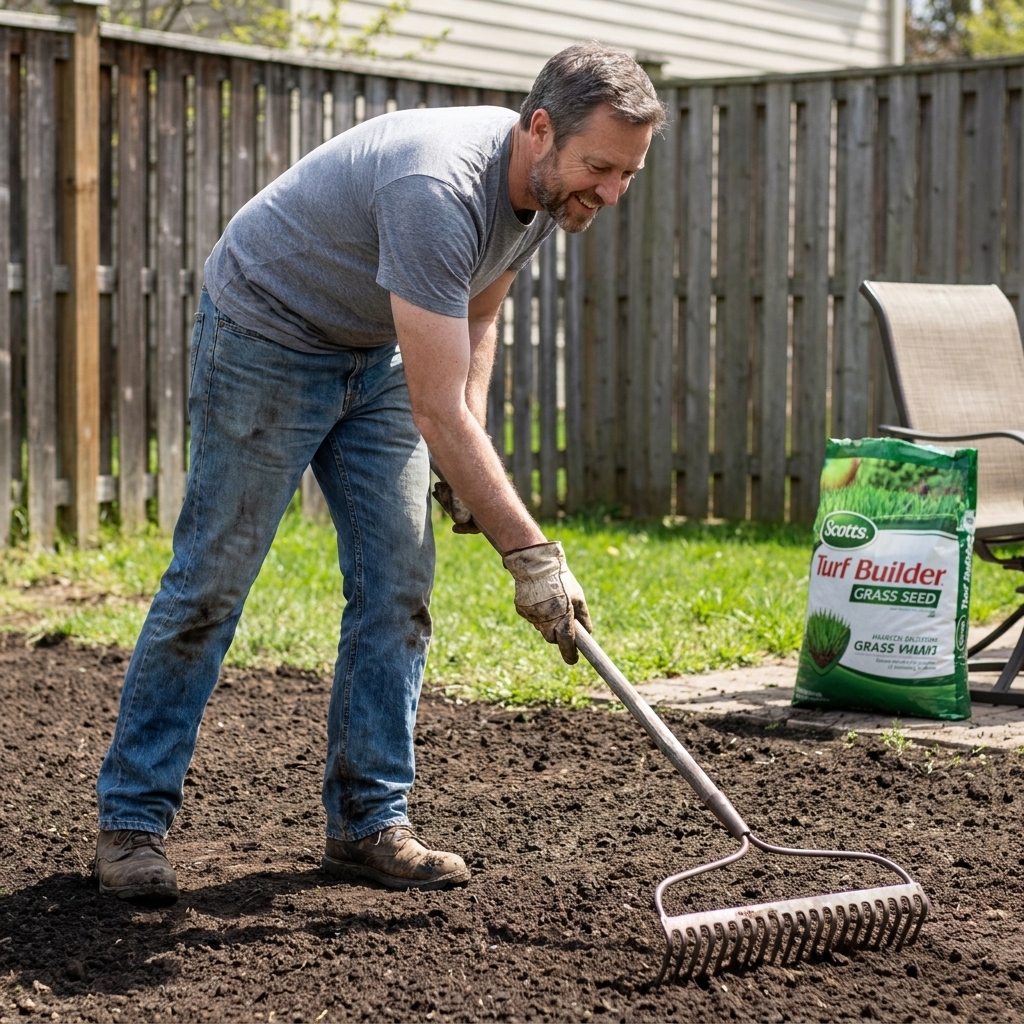
Timing: season matters
In my Midwest years, I learned that timing is half the battle. Seed is incredible when you plant in the right window, and frustrating when you fight the weather.
Cool-season lawns (Kentucky bluegrass, tall fescue, perennial rye)
- Best time to seed: Late summer into early fall. Warm soil helps germination, and cooler air reduces stress.
- Second-best time: Spring, but weed pressure is higher and summer heat arrives fast.
- Sod timing: More flexible, but still avoid the hottest weeks if you can. Sod can dry out quickly in peak heat.
Warm-season lawns (bermudagrass, zoysia, centipede, St. Augustine)
- Best time to plant: Late spring into summer when nights are warm and growth is active.
- Important note: Many warm-season lawns are most commonly started with sod or plugs. St. Augustine is typically sod or plugs, and while zoysia seed exists, it is less common and can be slower and fussier than people expect.
If you are outside the ideal seeding season: Sod often becomes the practical choice, assuming you can keep up with watering.
Long-term results: which is better?
Given good prep and good aftercare, a seeded lawn can be every bit as dense and beautiful as sod. In some cases, seed can win long-term because you can choose improved cultivars and blend types for disease resistance and traffic tolerance.
Where sod often wins is uniformity right away and erosion control. Where seed often wins is customization and cost-effective thickening over time.
What really decides success
- Soil quality: Compacted, low-organic soil makes any lawn struggle.
- Sun and shade: Most turfgrasses struggle in deep, all-day shade. Even shade-tolerant mixes like fine fescues still need some light and realistic expectations.
- Watering habits: Establishment is everything.
- Mowing: Correct mowing height and sharp blades prevent stress and disease.
- Fertilizing: Light, timely feeding beats heavy, “hope this fixes it” applications.
Soil test basics
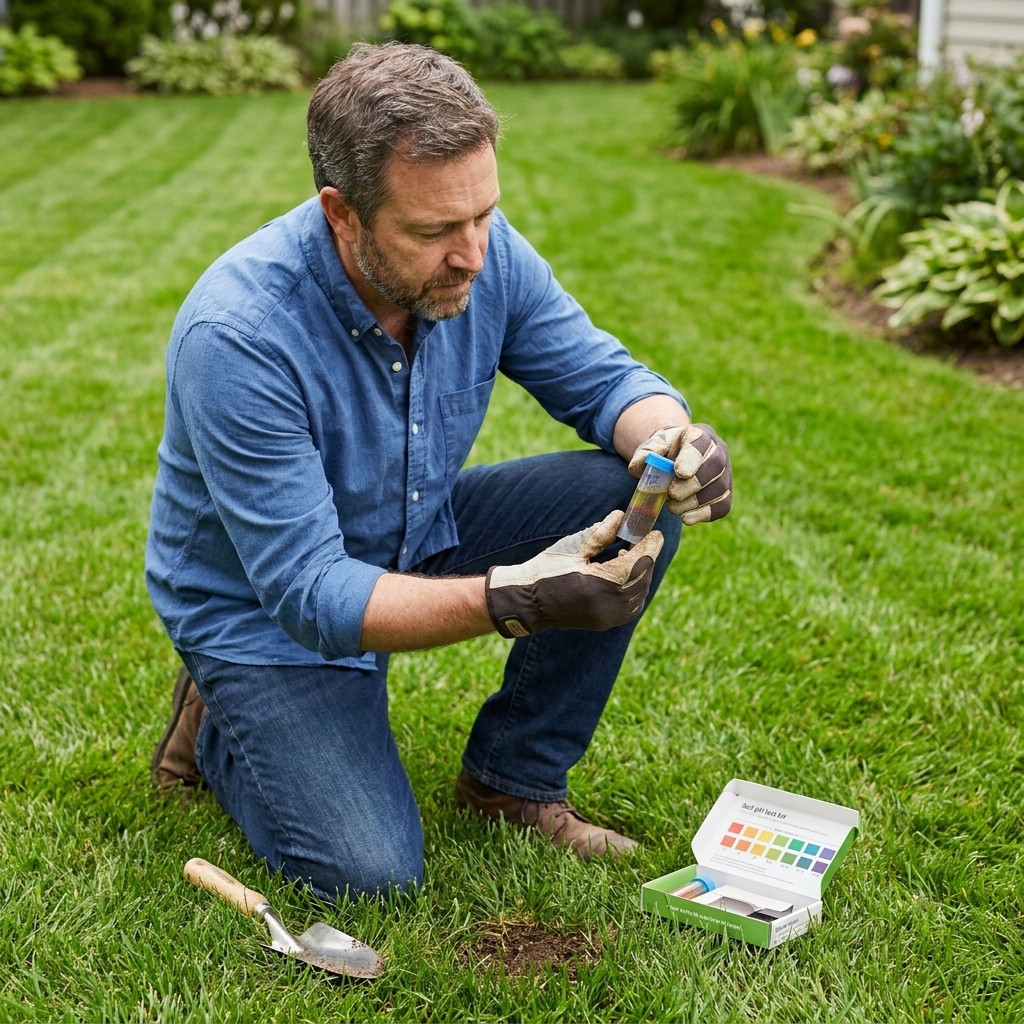
If you only do one “grown-up” thing before you install a new lawn, make it a soil test. It is cheap insurance, and it prevents you from guessing with fertilizer and lime.
- What to test for: pH, phosphorus (P), potassium (K), and basic soil recommendations. Some labs also report organic matter.
- Where to get it: A county extension office or a reputable local lab is usually the easiest path.
- Why it matters: If pH is off, nutrients do not behave the way you think they do, and grass never quite looks “right.”
When sod is the better choice
Sod is not just about instant gratification. Sometimes it is the most responsible way to get stable ground and reliable turf.
- You need results fast: Selling a home, hosting an event, or just tired of mud.
- Your yard slopes: Seed can wash away in a heavy rain before it even germinates.
- You have kids or pets: It is hard to keep a newly seeded area traffic-free.
- You are battling erosion or dust: Sod locks soil in place quickly.
- You can water frequently at first: Sod needs consistent watering early, especially along seams and edges.
How to lay sod so it takes
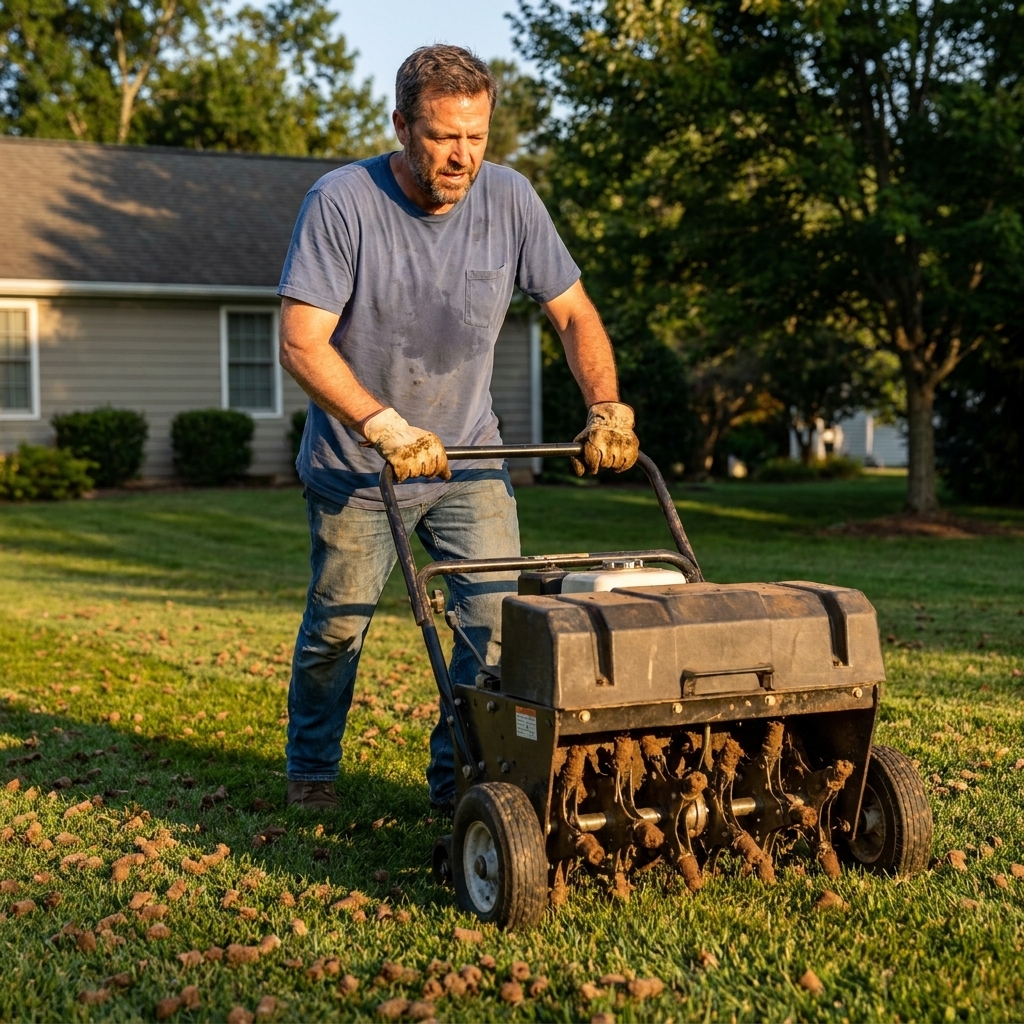
- Prep the soil: Remove debris, loosen the top 3 to 6 inches if possible, and level.
- Test the grade: Fix low spots now. Sod will not magically flatten your yard.
- Start with moist soil: Lightly water the soil before laying sod.
- Stagger seams: Brick pattern, tight seams, no stretching.
- Roll it: A lawn roller improves soil contact and reduces drying gaps.
- Water immediately: Soak through the sod and into the soil beneath.
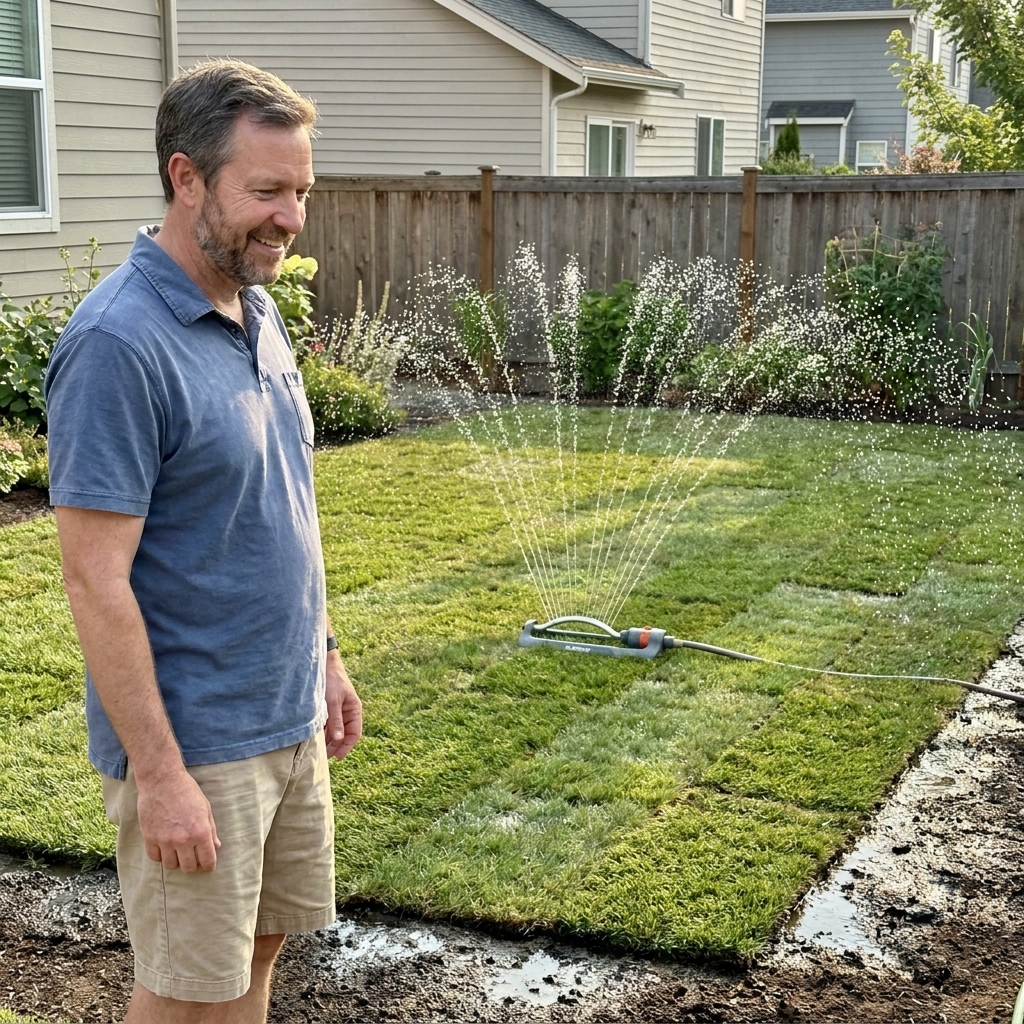
When seed is the better choice
Seed is the long game, and it is usually the best bang for your buck if you can commit to the early care.
- You have a large area: Seed keeps the budget realistic.
- You want specific cultivars: Shade blends, drought-tolerant tall fescue, disease-resistant bluegrass, and other options that may not be available as sod.
- You can control traffic: Fencing off an area for a month is a huge advantage.
- You are planting in the ideal season: Seed loves the right weather window.
How to seed for a thick lawn
- Start with a soil test: If pH is way off, grass struggles no matter what you plant.
- Prep the seedbed: Smooth, firm soil. You want good seed-to-soil contact.
- Use the right seeding rate: Too little leaves gaps. Too much crowds seedlings and invites disease.
- Cover lightly: A thin layer of compost or peat, or straw in sunny areas, helps hold moisture.
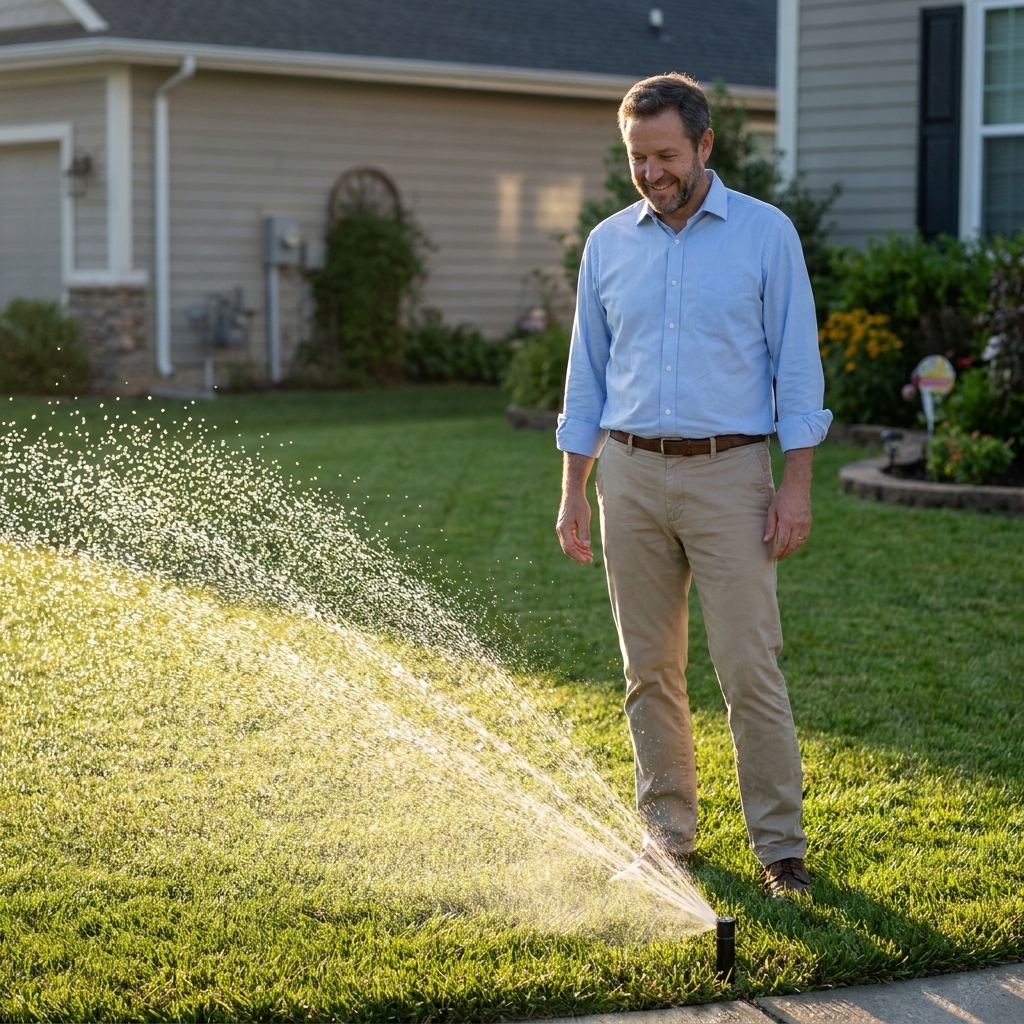
- Water like clockwork: Keep the surface consistently damp until germination, then slowly reduce frequency and increase depth.
- First mow at the right time: Usually when grass reaches about 3 to 4 inches, mowing down to the recommended height for your species.
Seeding a slope without washout
If you want seed on a slope, you do not have to surrender and buy sod, but you do have to treat washout like a real problem.
- Use a seed blanket: Erosion control blankets or straw blankets help hold seed and moisture.
- Crimp straw or use netting: Loose straw can slide downhill. Anchoring matters.
- Water gently: Mist or short cycles to avoid moving seed.
- Consider hydroseeding: On bigger slopes, hydroseed mulch can improve coverage and reduce movement.
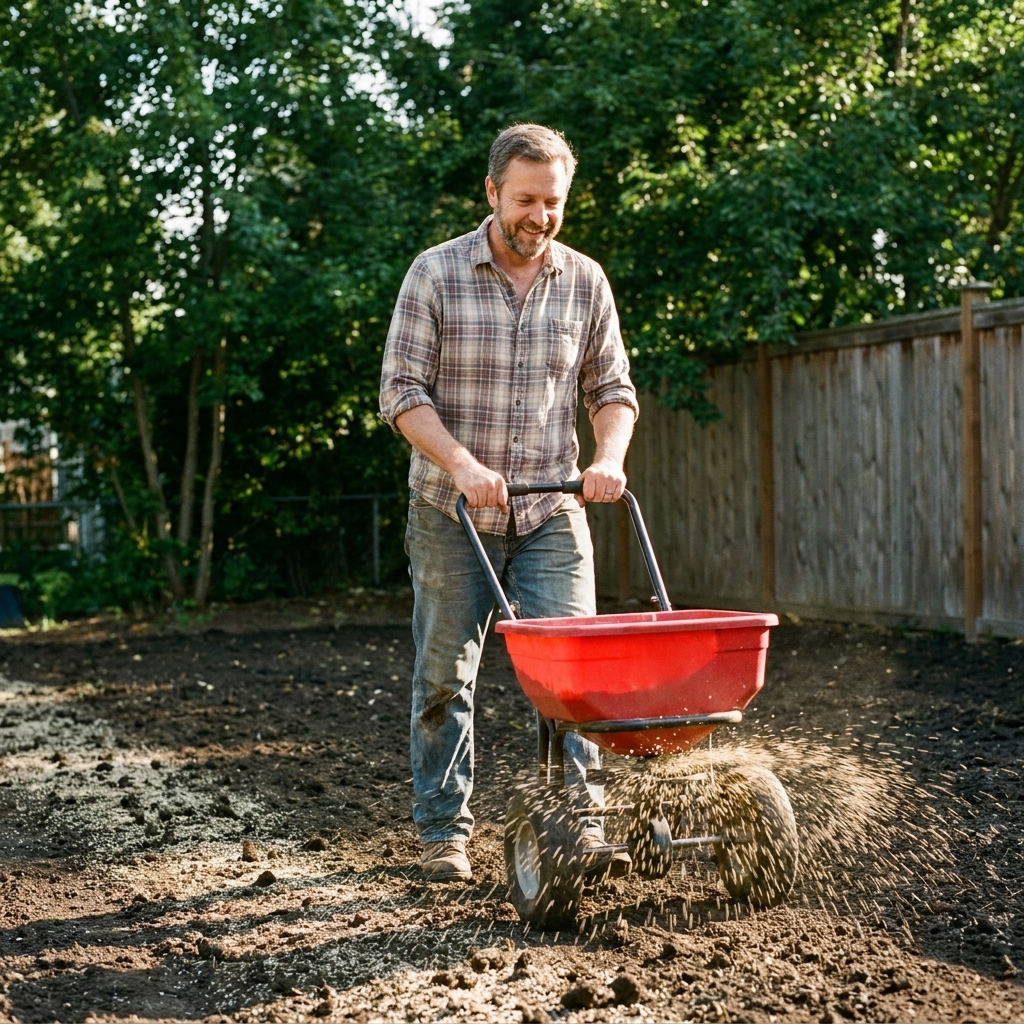
Watering expectations
Most new lawns fail because the first month was treated casually. Here is what to plan for. These timelines are good rules of thumb, but they can shift with weather, soil type, and grass species.
Watering new sod
- Days 1 to 7: Keep sod consistently moist. In hot, windy weather that can mean multiple short waterings per day.
- Weeks 2 to 3: Slightly less frequent, but deeper watering to encourage roots to move into the soil.
- Weeks 3 to 6: Continue tapering toward a normal schedule as rooting improves. Warm-season sod installed as temperatures cool can take longer to knit in.
- After rooting: Transition toward normal watering. The “tug test” helps: if the sod resists lifting, roots are knitting in.
Watering new seed
- Until germination: Light, frequent watering to keep the top layer damp, not muddy.
- After sprouting: Gradually shift to deeper, less frequent watering as roots develop.
- Key reminder: Different seeds germinate at different speeds. Rye can pop quickly, bluegrass can take longer. Stay patient and consistent.
Weeds and chemicals
This is where a lot of DIY lawn projects get unintentionally sabotaged.
- Pre-emergent warning: Pre-emergent herbicides can stop grass seed from germinating. If you plan to seed, you typically skip pre-emergent in that area until the new grass is established.
- Post-emergent caution: Many weed killers are not safe for brand-new seedlings. Read the label and follow the timing, even if the weeds are annoying.
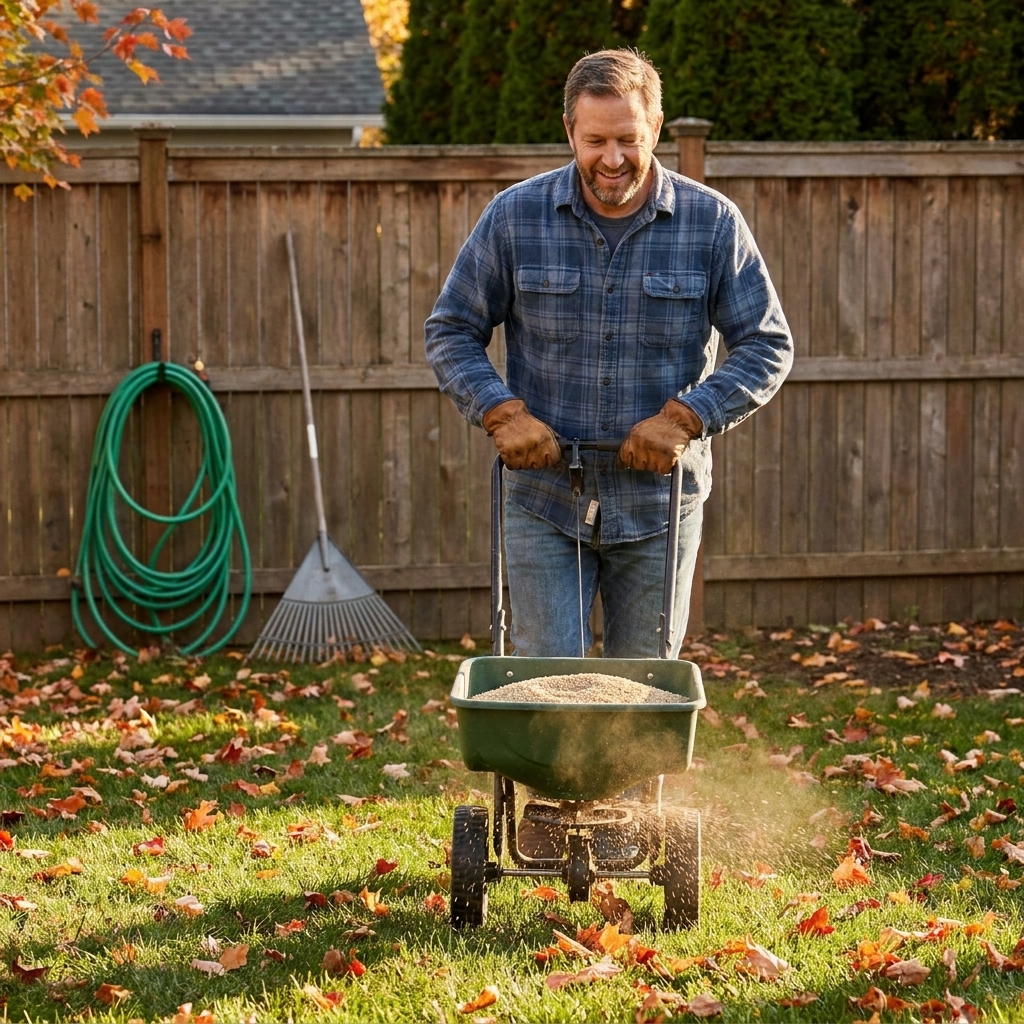
- Starter fertilizer: Starter fertilizer can help, especially at seeding time, but follow the label and your soil test. More is not better.
Problems to expect
Both methods can produce a clean lawn, but they fail in different ways.
Sod problems
- Dry edges and seams: The most common issue. Those areas need extra attention.
- Not rooting: Usually due to poor soil contact, compacted soil, or underwatering.
- Hidden thatch or poor-quality sod: Buy from a reputable supplier and inspect before install if possible.
Seed problems
- Washout: Heavy rain on bare soil can move seed.
- Birds and traffic: Seed disappears faster than you think.
- Weed invasion: Bare soil is an invitation. Proper coverage and correct watering help your grass compete.
- Uneven germination: Often caused by uneven watering, poor seed-to-soil contact, or crusted soil.
Practical advice: If your yard has a known weed problem, focus on soil prep, mowing habits, and strong establishment. A thick lawn is the best long-term weed control you can buy.
A simple decision checklist
If you want a no-stress way to decide, answer these questions:
- Do I need green within 1 to 2 weeks? If yes, choose sod.
- Can I water lightly and frequently for weeks? If yes, seed is viable. If no, sod may still work, but you must water frequently at first.
- Is the lawn on a slope? If yes, lean sod, or be ready with erosion control for seed.
- Am I planting in the ideal season for my grass type? If yes, seed gets a big boost.
- Do I need a specialty blend (shade, drought, low-input)? If yes, lean seed.
- Is foot traffic unavoidable? If yes, lean sod.
FAQ
Is sod always better than seed?
No. Sod is faster and often more forgiving for timing and erosion, but seed is cheaper and gives you more control over grass genetics. Either can be “better” depending on your season, your watering habits, and your goals.
How long before you can walk on new sod?
It depends on how fast it roots, which depends on weather, soil contact, and watering. In many yards, you are looking at roughly 2 to 4 weeks before light foot traffic, and longer before heavy use. Use the tug test in a corner. If it lifts easily, it is not ready. Avoid concentrated traffic until it is firmly rooted.
How long before you can walk on newly seeded grass?
Plan to keep traffic off as much as possible until after several mows. Once it is mowing regularly and thickening, it can handle gradually increasing use.
Can you seed over sod to thicken it up?
Yes, but timing matters. The sod needs to be rooted, and you still need seed-to-soil contact. Light topdressing with compost after overseeding helps.
What is the biggest mistake with sod?
Laying sod on poorly prepared soil, or letting it dry out in the first week. If the grade is lumpy or the soil is compacted, sod can struggle long after the install day.
What is the biggest mistake with seed?
Inconsistent watering in the first couple of weeks. Grass seed cannot dry out repeatedly during germination and early growth.
My neighbor takeaway
If you want the fastest route to a green-looking lawn and you can afford it, sod is a solid choice. If you are willing to trade speed for savings and customization, seed is hard to beat, especially when planted in the best seasonal window.
Whichever route you choose, spend your energy on the unglamorous stuff: soil prep, smooth grading, and a realistic watering plan. That is what turns “new lawn” into “nice lawn” for the long haul.