A neighborly, no-till fall overseeding method to thicken thin turf and crowd out weeds. Includes timing, prep, seed selection, topdressing, watering, and a 3...
lawn care
7 Common Grass Seeding Mistakes (and Fixes)
 Mark Vance
 is a former professional landscaper and the lead turf enthusiast at Yard Mentor. With over 15 years of experience in soil health, turf management, and residential landscaping, he is dedicated to helping homeowners transform frustrating dead patches into lush, healthy lawns. When he isn't testing new grass seed blends, you can find him enjoying a Saturday morning coffee looking out over his freshly striped yard.
Updated October 17, 2026
Created October 17, 2026
Mark Vance
Mark Vance is a former professional landscaper and the lead turf enthusiast at Yard Mentor. With over 15 years of experience in soil health, turf management, and residential landscaping, he is dedicated to helping homeowners transform frustrating dead patches into lush, healthy lawns. When he isn't testing new grass seed blends, you can find him enjoying a Saturday morning coffee looking out over his freshly striped yard.
Updated October 17, 2026
Created October 17, 2026
I have seeded a lot of lawns in my life, including my own first “mud-and-crabgrass special” in the Midwest. The good news is grass seed is pretty forgiving. The bad news is a handful of common mistakes can turn a simple weekend project into weeks of frustration and a second bag of seed.
One quick note before we get into it: overreseeding (adding seed to an existing lawn) and seeding bare soil share the same fundamentals, but bare soil is less forgiving. It needs better prep, more erosion control on slopes, and tighter watering.
Below are the seven seeding slip-ups I see most often, plus the fixes that actually move the needle. Avoid these and you will save time, money, and that sinking feeling you get when the birds show up like it is a buffet.
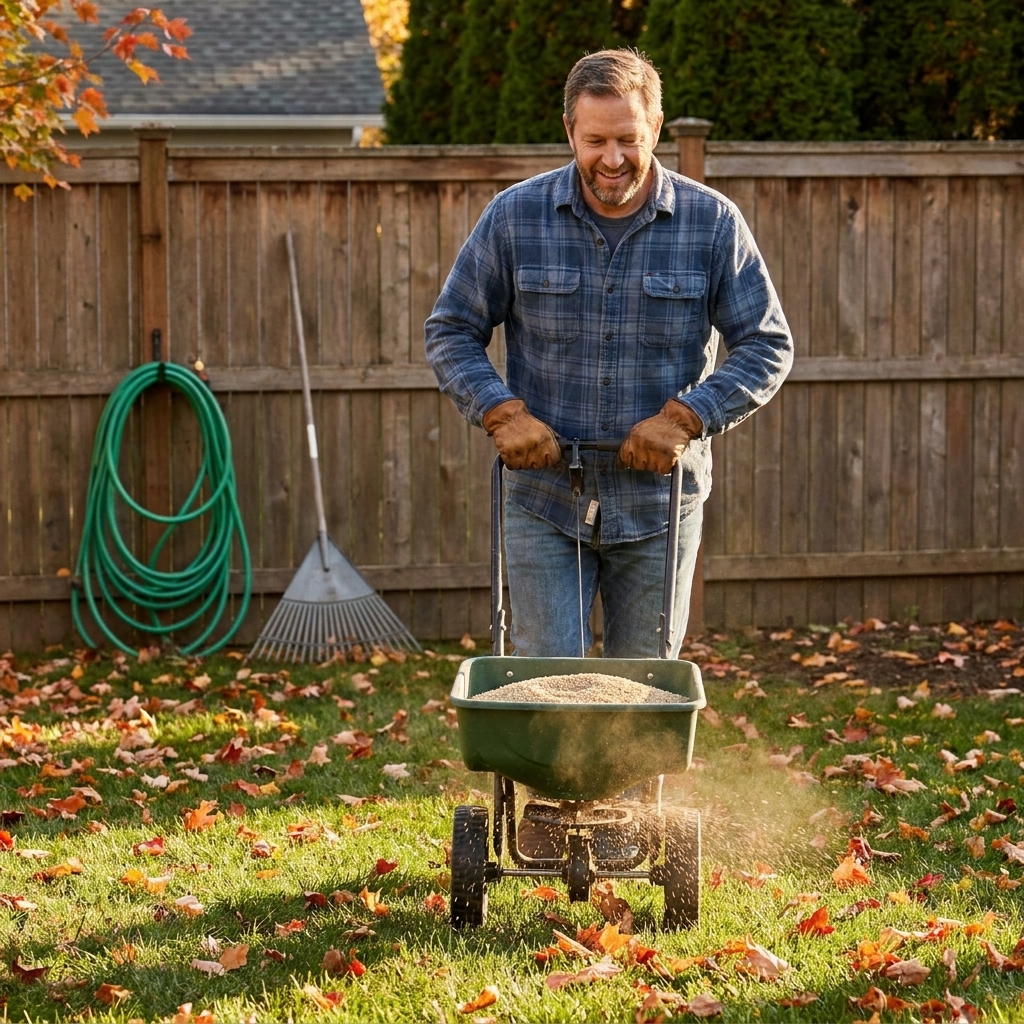
1) Planting seed too deep
This is the big one. Grass seed is tiny, and tiny seeds have tiny energy reserves. When you bury them under a thick layer of soil, many never make it to the surface.
What goes wrong
- Slow or spotty germination
- Seedlings that sprout and then collapse
- Thin coverage that invites weeds
How to avoid it
Think seed-to-soil contact, not “buried.” For most lawn grasses, the sweet spot is very shallow, generally in the top 1/8 to 1/4 inch, but your seed label (and local extension guidance) should be the final word.
- Rake lightly after spreading seed to tuck it in.
- If you topdress, keep it light: generally no more than 1/4 inch of screened compost or fine topsoil.
- On bare spots, press seed in with the back of a rake or by walking over it in flat shoes.
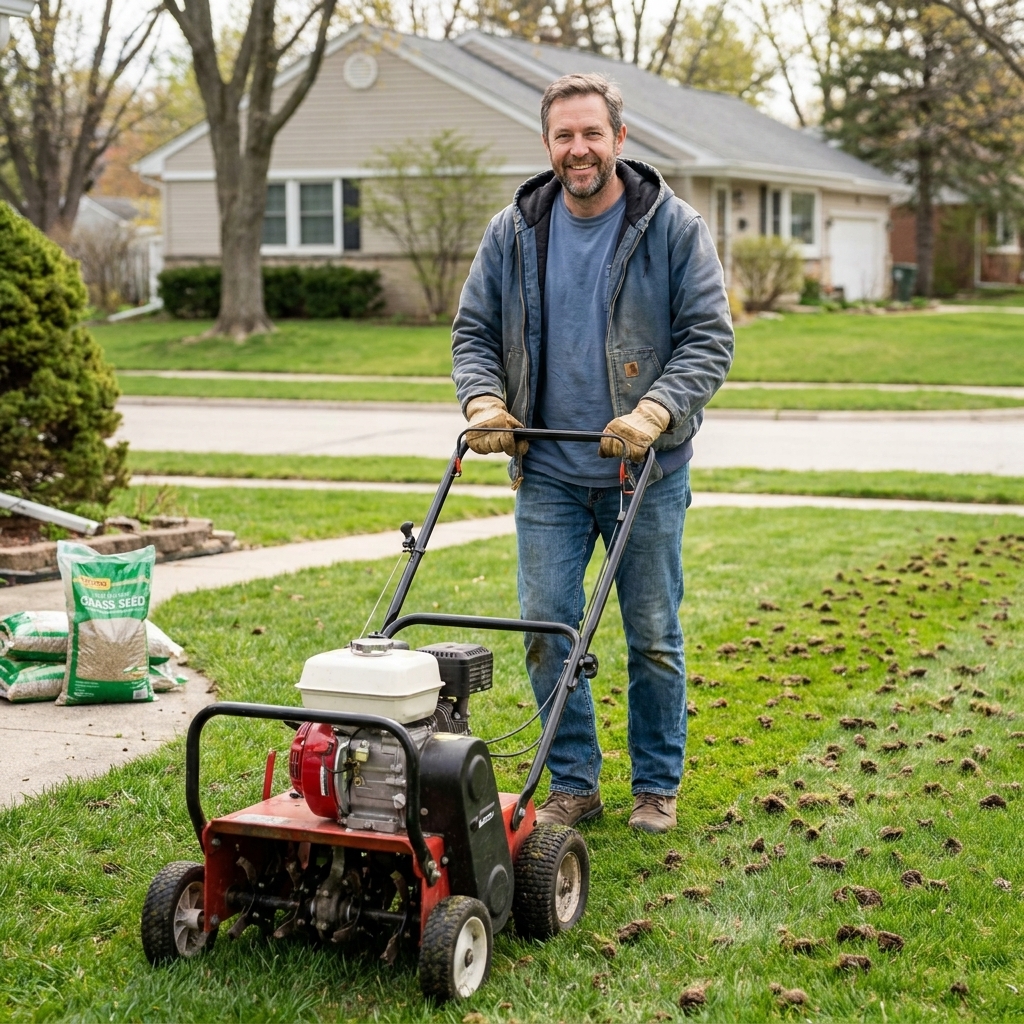
2) Skipping soil prep
Most seeding failures are not “bad seed.” They are bad conditions. If the soil is compacted, crusted, or full of thatch, the seed cannot consistently contact moist soil long enough to germinate.
What goes wrong
- Seed dries out between waterings
- Seed washes into low spots
- Roots stay shallow, even if it sprouts
How to avoid it
- Remove debris: sticks, dead grass mats, stones.
- Loosen the surface: rake aggressively or use a cultivator on bare areas.
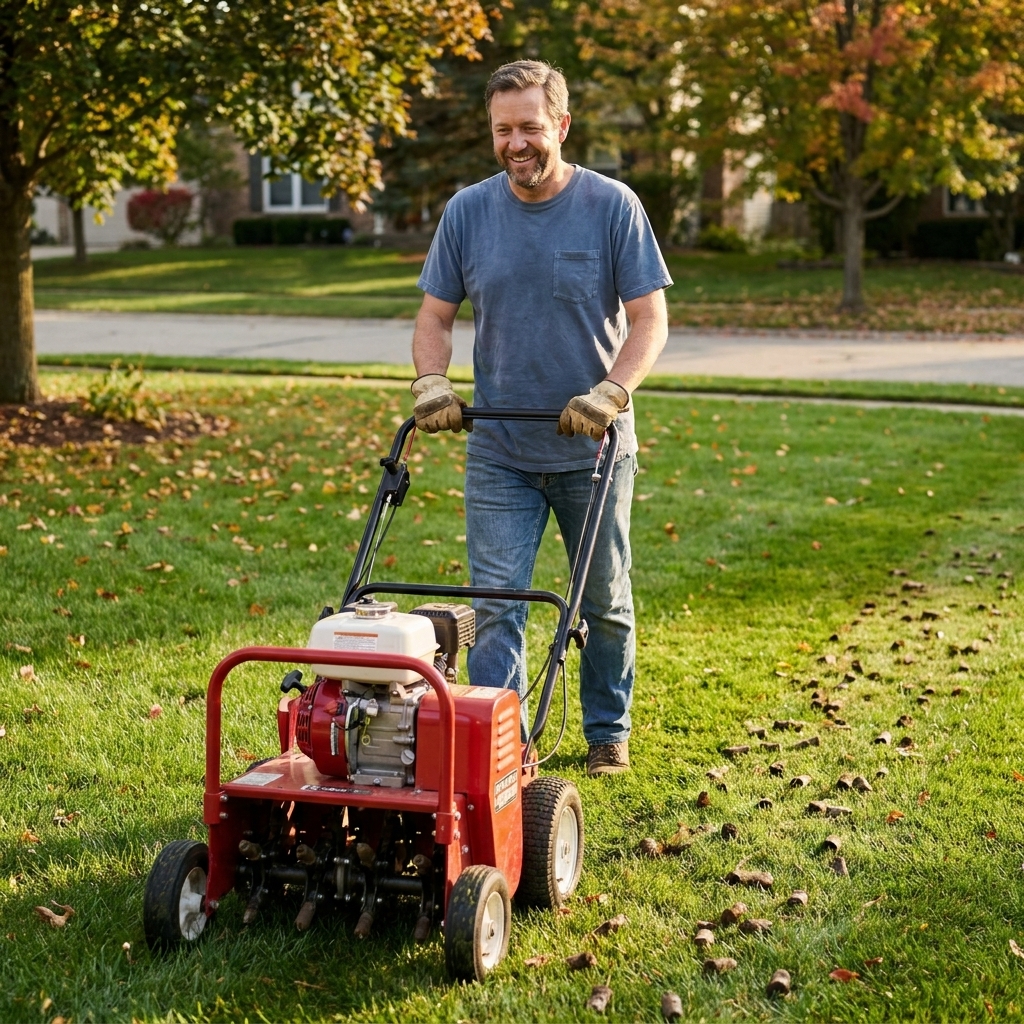
- Fix compaction: core aerate if you are overseeding into an existing lawn, especially in high-traffic areas.
- Handle thatch with restraint: if you have a thick thatch layer, remove only what you need so seed can touch soil. Avoid going scorched-earth with dethatching right before seeding during stressful weather.
- Topdress smart: a thin layer of compost helps hold moisture and improves seedling vigor.
Bonus tip if you want to level up: a simple soil test can tell you if pH is out of range. You can water perfectly and still get a mediocre lawn if the soil is fighting you.
3) Choosing the wrong grass
I get it. The photo on the bag looks great. But the best grass seed is the one that matches your sun, soil, and expectations. Put shade grass in full sun and it struggles. Put sun grass in shade and it thins out, no matter how much you water.
What goes wrong
- Patchy growth in shade or under trees
- Summer burnout in hot, sunny areas
- Constant disease pressure because the turf is stressed
How to avoid it
- Measure sunlight: full sun (6+ hours), part sun (4 to 6), shade (under 4).
- Match the blend: tall fescue is a workhorse for many homes, ryegrass pops fast for quick cover, and Kentucky bluegrass fills in over time but needs more patience.
- Warm-season reality check: some warm-season lawns are not commonly established from seed. Bermuda is often seedable, while others are more often installed as sod, plugs, or sprigs depending on the variety and what is available locally.
- In heavy shade, consider whether grass is realistic. Sometimes mulch, shade groundcovers, or a simple bed border is the win.
4) Seeding at the wrong time
Timing is free, and it matters a lot. Seed needs mild temperatures and consistent moisture. In much of the country, that points to a predictable window.
What goes wrong
- Seed cooks or dries out during hot spells
- Seedlings get wiped out by early frost
- Weeds outcompete slow seedlings in spring
How to avoid it
As a rule of thumb:
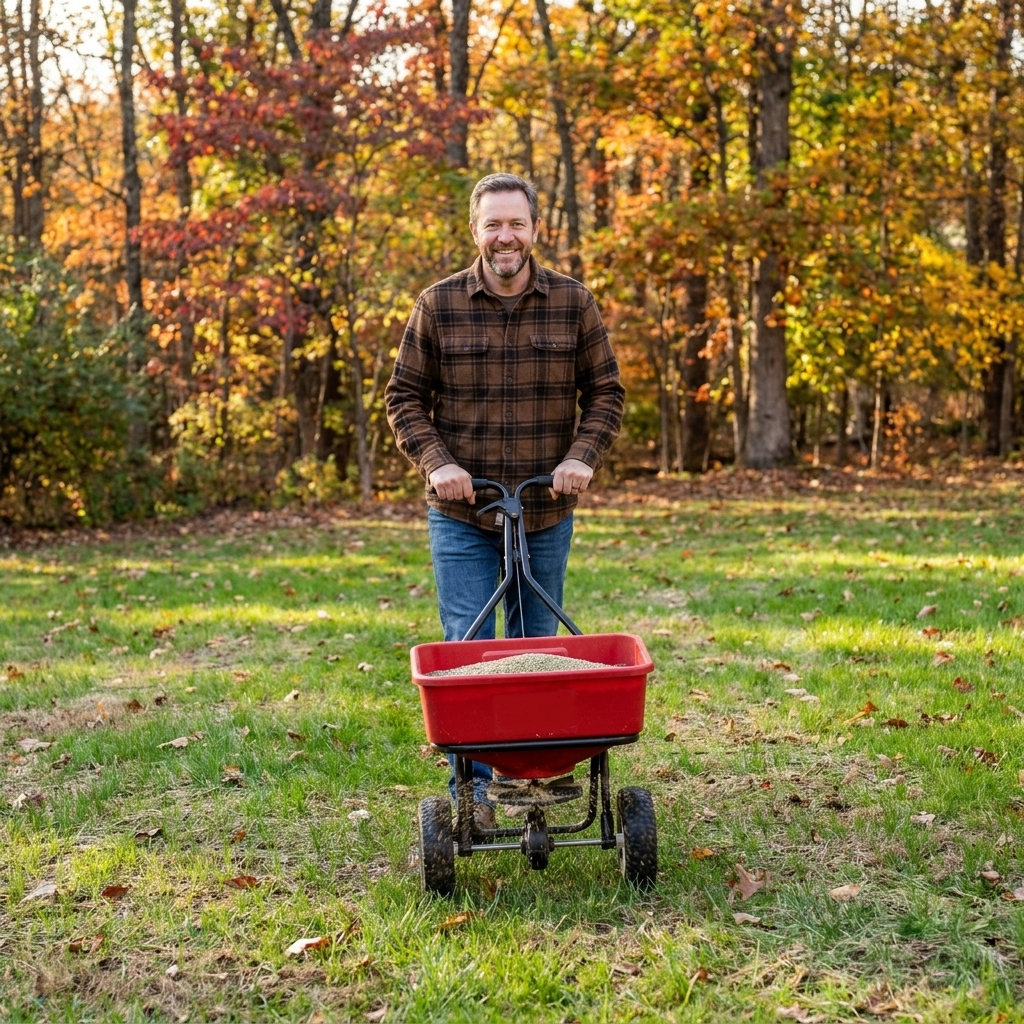
- Cool-season lawns: seed in late summer through early fall when nights cool down but soil is still warm.
- Warm-season lawns: seed in late spring through summer once soil is consistently warm, assuming your grass type is commonly grown from seed in your area.
If you can only seed in spring, you can still succeed, but you have to be extra disciplined about watering and weed pressure.
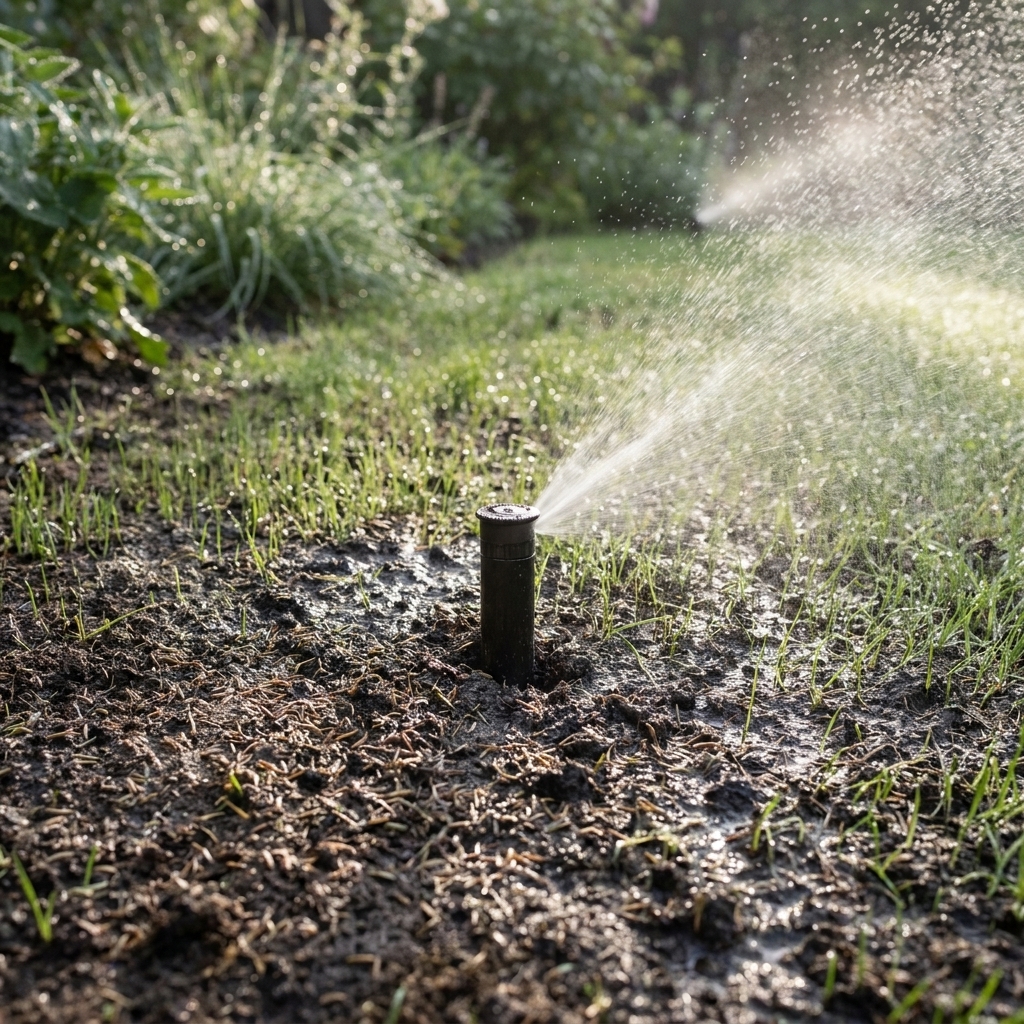
5) Watering on autopilot
Grass seed does not need a flood. It needs consistent surface moisture. Most homeowners either drown it (washing seed away) or let it dry out (resetting germination).
What goes wrong
- Seed floats into piles or bare streaks
- Hard crust forms on top of the soil
- Seed sprouts, dries out, and dies in a day
How to avoid it
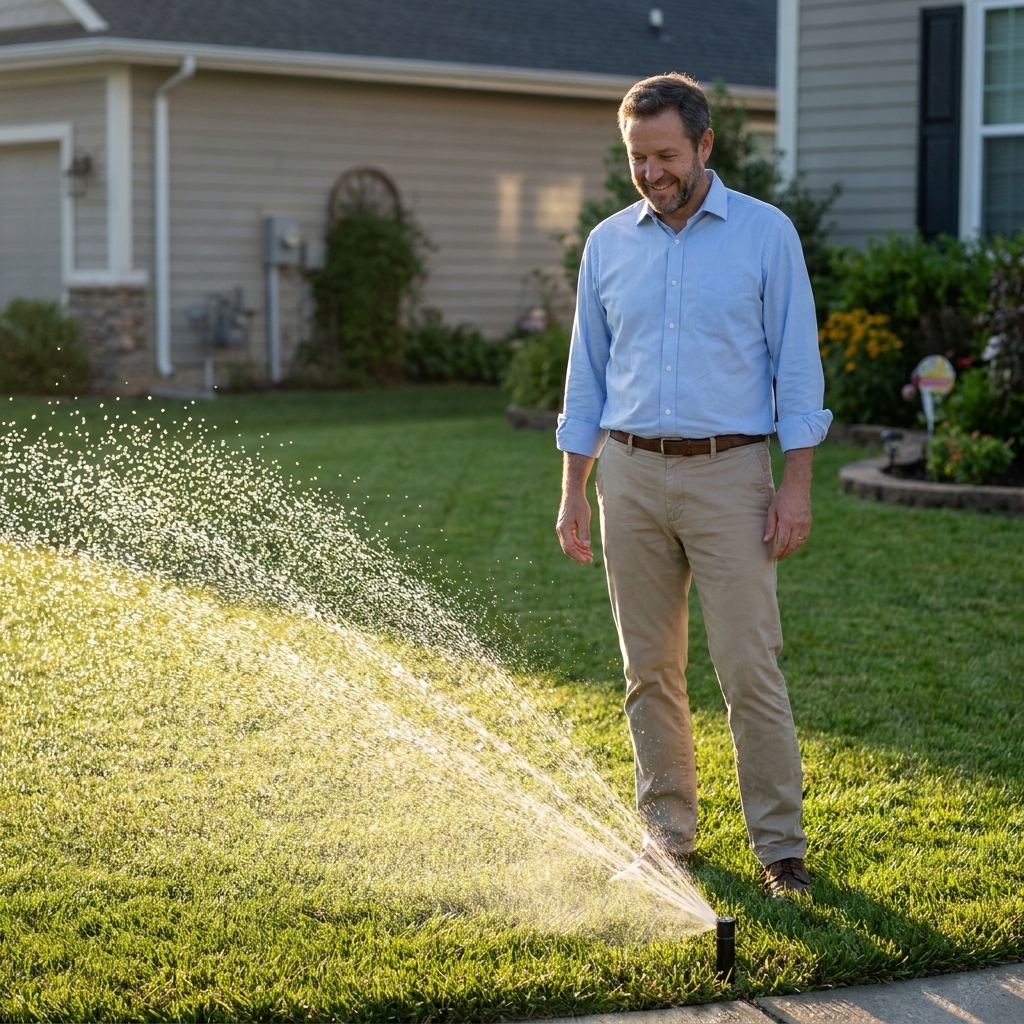
Instead of obsessing over an exact schedule, focus on the goal: keep the top 1/2 inch of soil evenly damp without runoff or puddles. Then adjust frequency to your conditions (heat, wind, shade, soil type, and watering restrictions).
A simple progression that works for most yards:
- Days 1 to germination: light waterings as often as needed to keep the surface damp. That might be 1 to 4 times per day depending on weather and soil.
- After sprouting: water less often but a bit longer so moisture starts moving deeper.
- After mowing once or twice: transition to deep, infrequent watering (the normal lawn schedule).
Windy, sunny days dry out fast. Shaded areas stay damp longer. Sandy soil dries quicker than heavier soil. Adjust by observation, not by pride.
6) Using weed control too soon
This one sneaks up on people. You seed, weeds pop, and you reach for a weed killer. The problem is many herbicides can prevent grass seed from germinating or can injure tender seedlings.
What goes wrong
- Germination fails in large patches
- Seedlings yellow, stall, or disappear
- You end up reseeding the same area twice
How to avoid it
- Read the label for any herbicide or crabgrass preventer. Labels specify waiting periods for seeding and for applying over new seedlings.
- In many cases, avoid traditional pre-emergent products before seeding unless the product is specifically labeled as seed-safe for your situation.
- Some products are exceptions: for example, certain mesotrione-based products are labeled for use at seeding for some grasses and situations. Most are not, so do not guess.
- For broadleaf weeds, a common rule is to wait until the new grass has been mowed at least 2 to 3 times before using many post-emergent weed killers, unless your label says otherwise.
If weeds are heavy, sometimes the better move is to improve grass density first. A thick lawn is the long-term weed control.
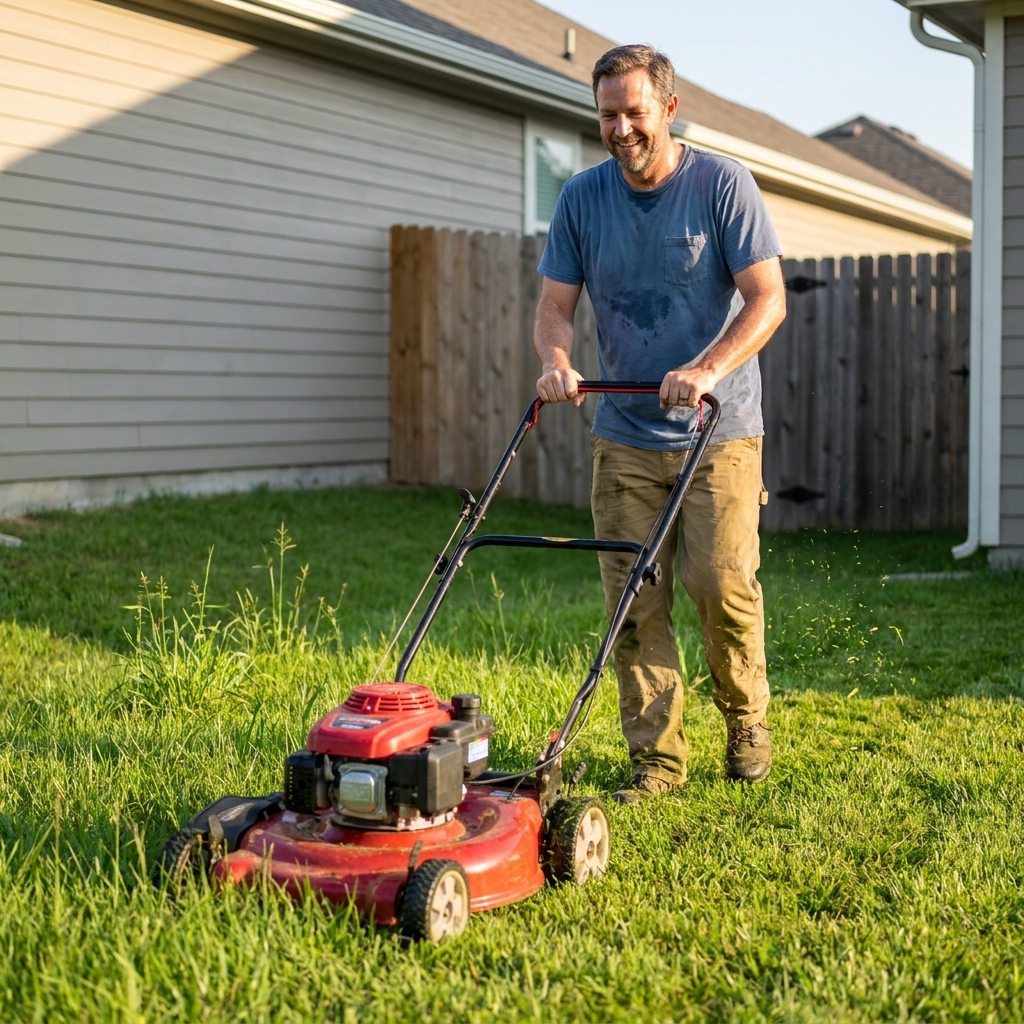
7) Mowing too soon
New grass looks delicate because it is. Early mowing mistakes set back root growth, and root growth is what makes new turf survive heat, traffic, and missed waterings.
What goes wrong
- Seedlings get yanked out by the mower
- Scalping stresses young plants
- Thin turf that never really thickens
How to avoid it
- First mow when most seedlings are about 3 to 4 inches tall.
- Use a sharp blade and mow when the lawn is dry.
- Follow the one-third rule: never cut off more than a third of the blade in one mowing.
- Aim taller, not shorter. Taller grass shades soil, holds moisture, and builds deeper roots.
My quick checklist
If you want the “neighbor over the fence” version, here it is:
- Pick the right seed for sun and climate (and for your region’s typical grass types).
- Prep soil so seed touches soil, not thatch.
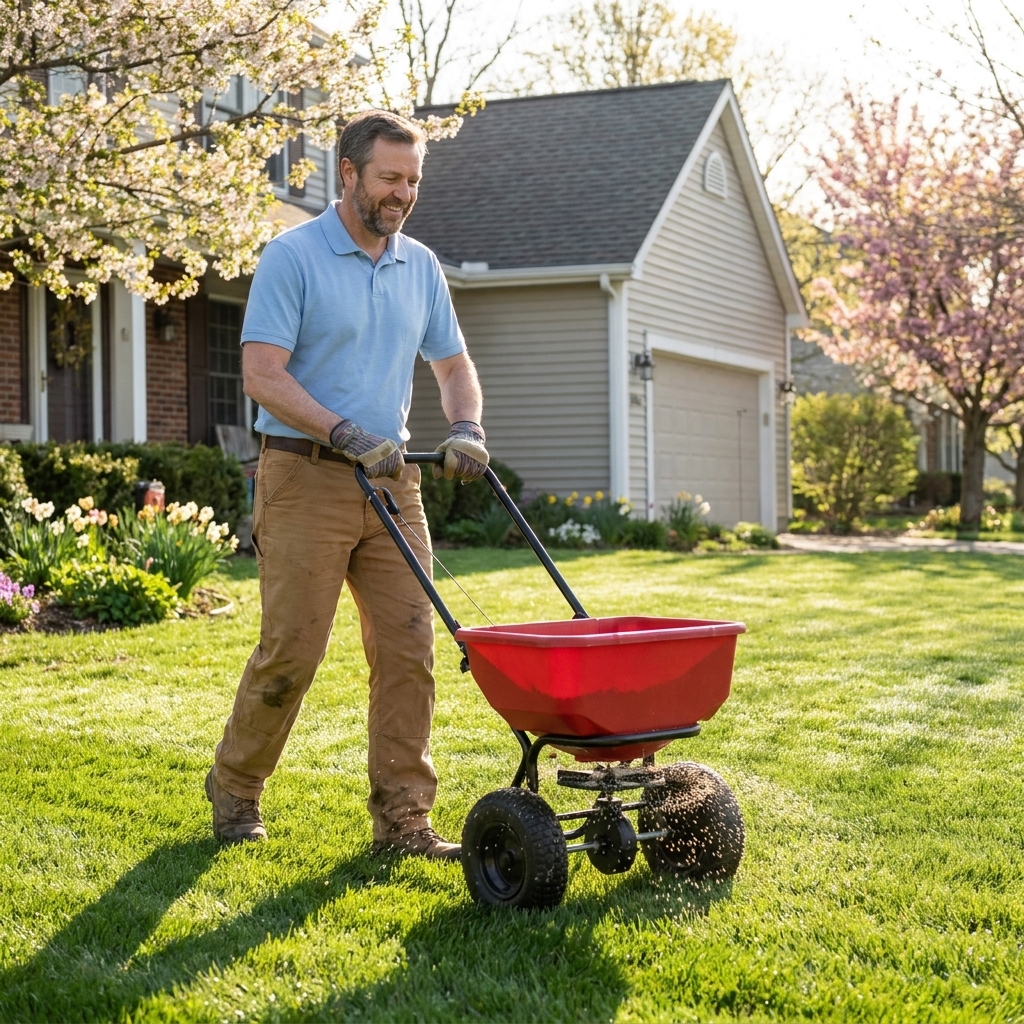
- Spread at the label rate. More seed is not always better. Overseeding too heavy can crowd seedlings and lead to weak roots.
- Lightly rake or press seed in.
- Keep the surface evenly damp until germination, then taper toward deeper watering.
- Hold off on most weed control until the lawn is established and the label says it is safe.
- First mow at 3 to 4 inches, with a sharp blade.
If you are seeding a slope or any area that tends to wash out, add basic erosion insurance: a very light straw cover, a seed blanket, or a tackifier product, whatever makes sense for the size of the job.
FAQ
Should I cover grass seed with straw?
Light cover can help with moisture, birds, and washout, but it is easy to overdo. If you use straw, apply a very thin layer so you can still see soil through it. In many small repairs, a dusting of compost is easier and cleaner.
How long does grass seed take to germinate?
It depends on species and weather, but under good conditions typical ranges look like this: perennial ryegrass often sprouts in about 5 to 10 days, tall fescue in about 7 to 14 days, and Kentucky bluegrass can take 14 to 30 days or longer. Consistent moisture is the difference-maker.
Do I need starter fertilizer?
Starter fertilizer can help because it supplies nutrients used for early growth, especially on new soil or repaired areas. Use a product labeled for seeding and follow the rate carefully. More is not better. Also, many regions restrict phosphorus unless a soil test shows you need it, so check local rules and your soil test before you buy the biggest bag.
Why are birds digging in my seed?
Because it is a snack. Lightly rake seed in, keep it moist, and consider a thin compost topdress. Once seed is tucked into the soil and not sitting on top, bird pressure drops fast.
Bottom line
Seeding success is not magic. It is a handful of small, unglamorous steps done consistently. Get the seed shallow, keep it evenly moist, and be patient with mowing and weed control. Do that, and you will be shocked how quickly dead patches start looking like a real lawn again.