A step-by-step homeowner guide to timing pre-emergent herbicides for crabgrass and other spring weeds, plus application tips, watering-in, and common mistake...
lawn care
Year-Round Lawn Pest and Weed Prevention Schedule
 Mark Vance
 is a former professional landscaper and the lead turf enthusiast at Yard Mentor. With over 15 years of experience in soil health, turf management, and residential landscaping, he is dedicated to helping homeowners transform frustrating dead patches into lush, healthy lawns. When he isn't testing new grass seed blends, you can find him enjoying a Saturday morning coffee looking out over his freshly striped yard.
Updated October 17, 2026
Created October 17, 2026
Mark Vance
Mark Vance is a former professional landscaper and the lead turf enthusiast at Yard Mentor. With over 15 years of experience in soil health, turf management, and residential landscaping, he is dedicated to helping homeowners transform frustrating dead patches into lush, healthy lawns. When he isn't testing new grass seed blends, you can find him enjoying a Saturday morning coffee looking out over his freshly striped yard.
Updated October 17, 2026
Created October 17, 2026
If you have ever looked out at your yard in July and thought, “How did it get this bad so fast?”, you are not alone. Most lawn weeds and insect problems are not solved in the moment. They are prevented weeks or even months earlier.
This schedule is the exact framework I use for my own lawn and for homeowners who want fewer surprises: a year-round rhythm of prevention, light scouting, and a few well-timed applications. I will give you seasonal timing, what to apply, what to skip, and the mistakes that quietly wreck results.
Before you start: know your grass and your weeds
The best product in the world will fail if it is applied at the wrong time for your grass and climate. Two quick checkpoints make the rest of this schedule make sense.
Cool-season vs warm-season timing
- Cool-season grasses (Kentucky bluegrass, fescues, ryegrass): big growth windows are spring and fall. Many weed and pest issues explode when turf is stressed in summer.
- Warm-season grasses (Bermuda, zoysia, centipede, St. Augustine): active growth is late spring through summer. Pre-emergent windows often start earlier in the year in warmer zones.
Identify the “headline” weeds in your yard
Most lawns fight the same repeat offenders. If you know which ones show up, your timing gets sharper.
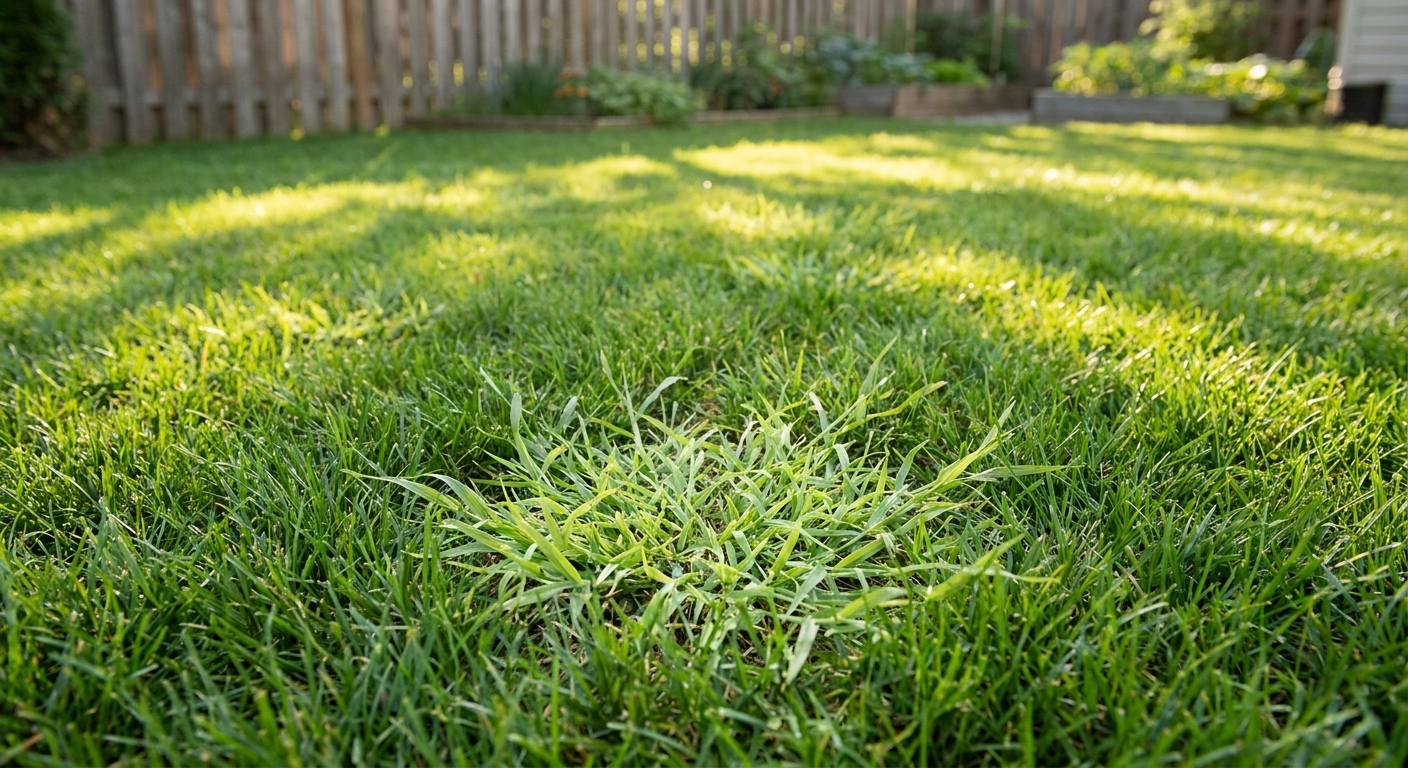
- Crabgrass and goosegrass: controlled primarily with spring pre-emergent.
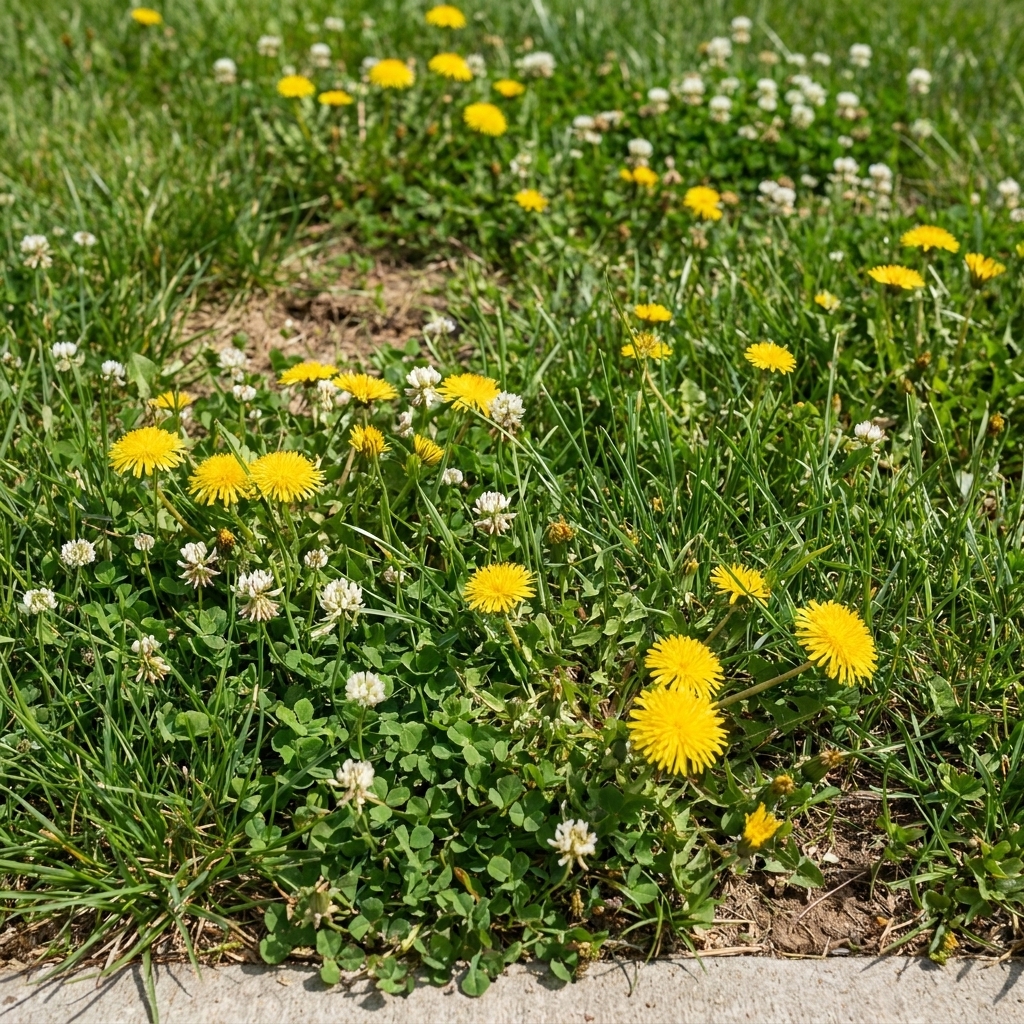
- Dandelion, clover, plantain: minimized through fall control plus healthy turf density.
- Nutsedge: most standard crabgrass pre-emergents will not control it reliably. Plan a sedge-specific post-emergent when it is actively growing.
- Winter annuals (chickweed, henbit): prevented with fall pre-emergent in many areas.
The golden rule: go by soil temp
Here is the fence-line advice I give everyone: air temps lie. Weeds and insects wake up based on soil temperature. If you want clean results, use a simple soil thermometer or a local soil temperature tracker.
- Crabgrass pre-emergent window: apply when 2-inch soil temps are consistently around 55°F for several days. In some regions and microclimates, you may see guidance in the 50 to 55°F range, but consistency matters more than a single warm afternoon.
- Goosegrass: later than crabgrass. A second, well-timed split application helps extend coverage.
- Grub preventer (most products): apply before and during early hatch, usually late spring into early summer depending on region and product.
Pro tip: If you only remember one thing, remember this: pre-emergent must be down before you see the weed. Once you see crabgrass, you are in post-emergent territory.
Late winter to early spring (February to March)
This is the quiet season that separates “pretty good” lawns from lawns that stay cleaner all summer.
Checklist
- Walk the lawn and map problem spots: edges, driveway heat zones, thin areas under trees, spots where snow piles or dogs run.
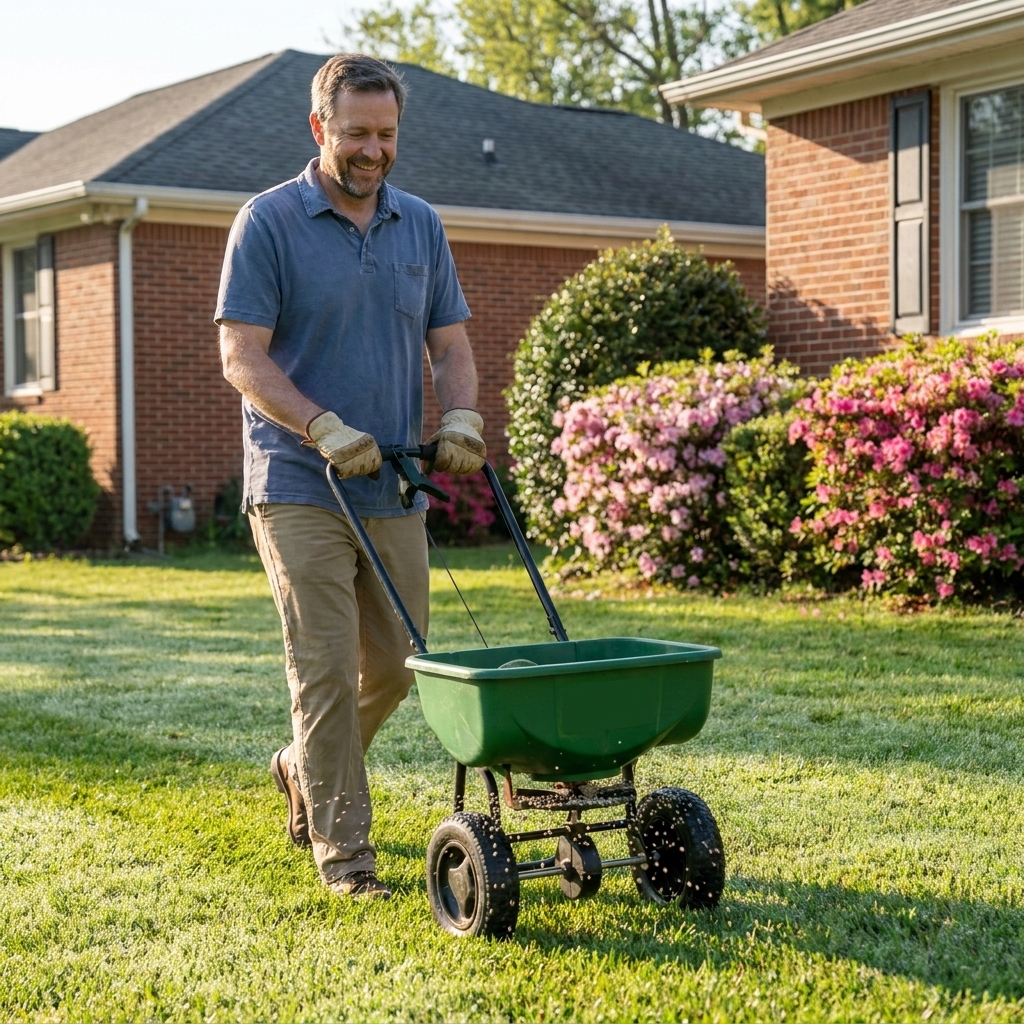
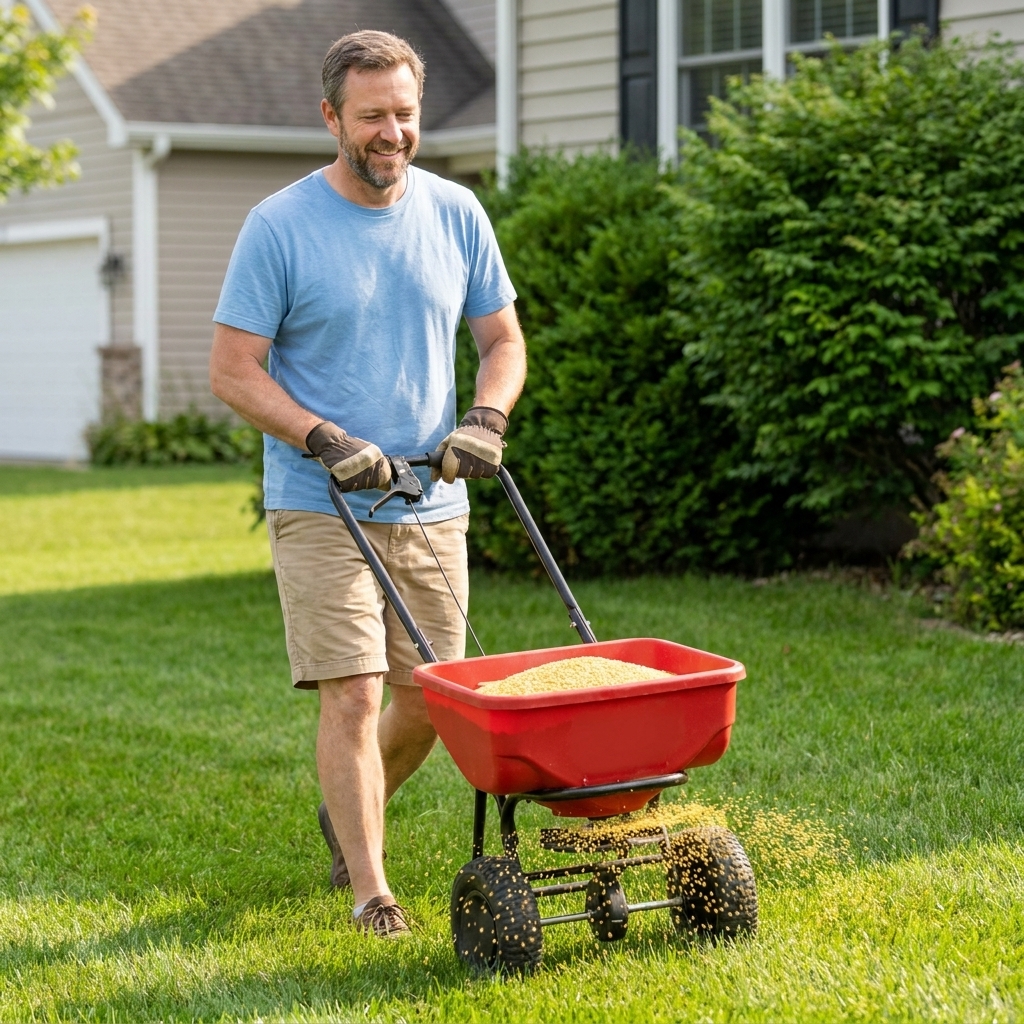
- Calibrate your spreader: prevention fails more from under-application and striping than from product choice.
- Sharpen mower blades: shredded grass tips invite disease and weaken turf against pests.
- Plan your crabgrass pre-emergent: pick your product and decide if you will do a split application.
- Get a soil test if you have not in a few years: pH and nutrient imbalances quietly thin turf, and thin turf invites weeds.
What to apply (sometimes)
- Pre-emergent for crabgrass: In warmer regions, your window can start very early. If your 2-inch soil temps are approaching the low to mid-50s, get ready.
- Winter annual cleanup: If chickweed or henbit survived winter, spot spray on a mild day above 50°F when weeds are actively growing.
Skip: Blanket insecticide “just because.” Most lawns do not need it, and you can wipe out beneficial insects that help you later.
Spring (April to May)
Spring is where prevention earns its keep. Your main mission is stopping summer annual grassy weeds before they ever germinate.
Checklist
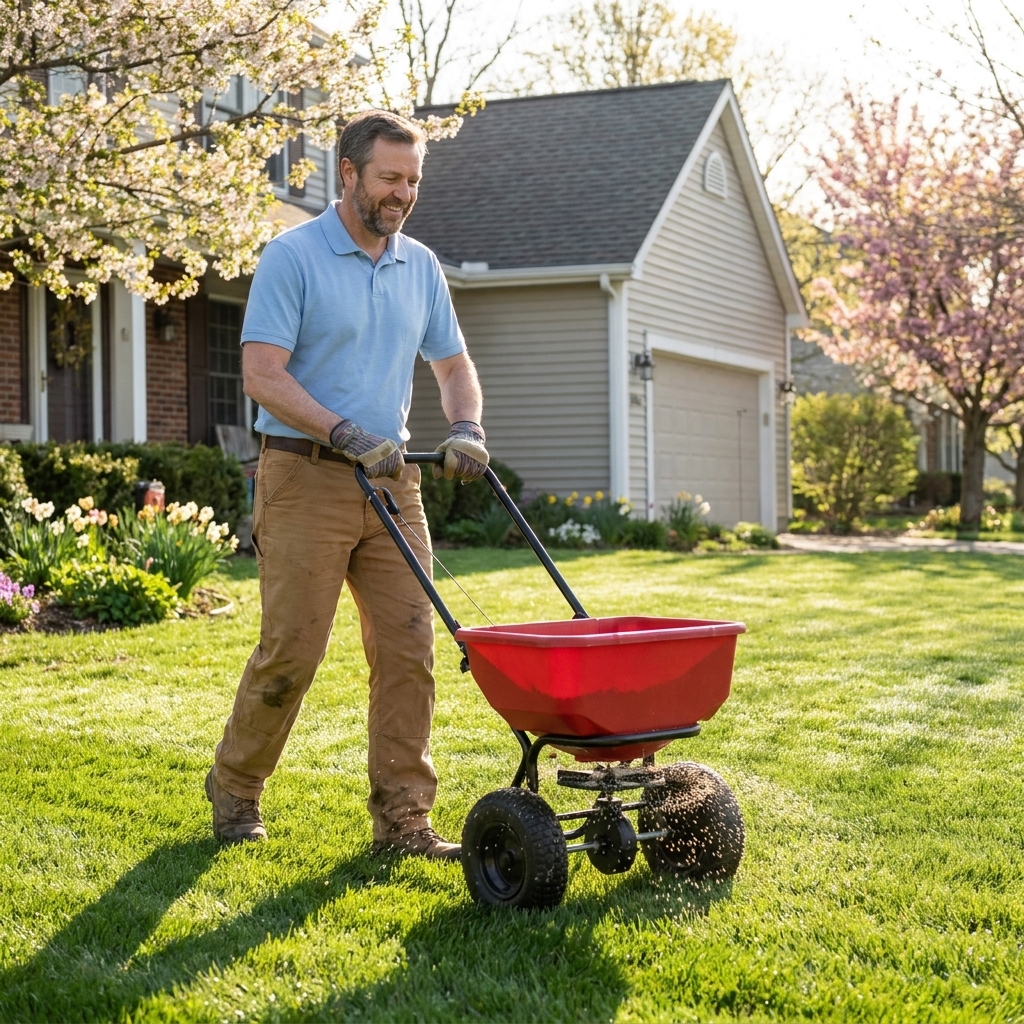
- Apply crabgrass pre-emergent when 2-inch soil temps are consistently around 55°F.
- Water it in according to the label. Many granular products need irrigation or rainfall to activate.
- Use a split application in many climates: half rate at first timing, second half 4 to 6 weeks later. This extends coverage into early summer.
- Start scouting for lawn insects: look for birds pecking repeatedly in one area, spongy turf, or irregular thinning that does not match your mowing pattern.
What to apply
- Pre-emergent (crabgrass): active ingredients commonly include prodiamine or dithiopyr. Follow label rates and watering instructions.
- Broadleaf post-emergent (spot treat): if dandelions pop up, spot spray rather than blanket spraying the whole yard.
Seeding warning
Most crabgrass pre-emergents will interfere with grass seed germination. If you plan to seed in spring, you have to pick a compatible approach or accept reduced prevention. In most cool-season lawns, I prefer fall seeding and spring pre-emergent. It is the simplest path to a thick lawn.
Early summer (June)
June is prime time to prevent the pests that ruin lawns later in summer: grubs and certain surface-feeding insects. It is also when thin turf starts giving weeds an opening.
Checklist
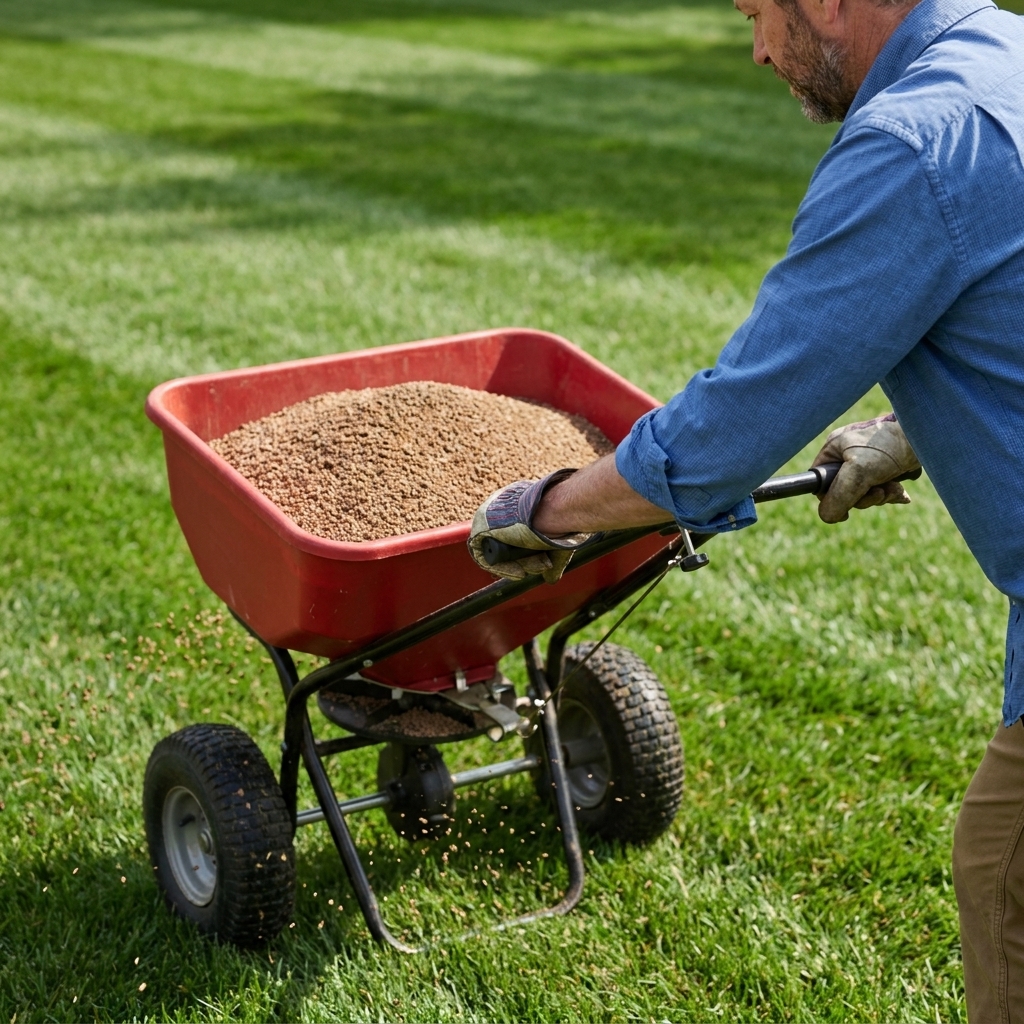
- Apply grub preventer if grubs are common in your area or you have a history of damage.
- Water deeply and infrequently: stronger roots make your lawn less likely to thin out and invite weeds.
- Inspect for chinch bugs (especially in St. Augustine and other warm-season lawns): look for expanding straw-colored patches in sunny areas.
- Maintain mowing height: mowing too low is a weed invitation.
What to apply
- Preventative grub control: products containing chlorantraniliprole are commonly used preventers and tend to have a wider application window, including earlier timing in late spring. Other preventers, such as those with imidacloprid or thiamethoxam, are often timed closer to egg hatch and early feeding. Always follow the label and water in as directed.
- Targeted insect control only if needed: treat the specific pest you confirm, not the whole yard on a hunch.
Rule of thumb: If you did not have grub damage last year and your turf is healthy, you might not need grub preventer every single season. But if you had skunks, raccoons, or peeling turf before, put it on the schedule.
Mid to late summer (July to August)
Summer is when people panic spray, over-fertilize, and accidentally stress the lawn into a bigger problem. Your focus now is smart triage: control what you can without adding heat stress.
Checklist
- Spot treat breakthrough weeds: crabgrass escapes, spurge, and broadleaf weeds can be handled in small areas.
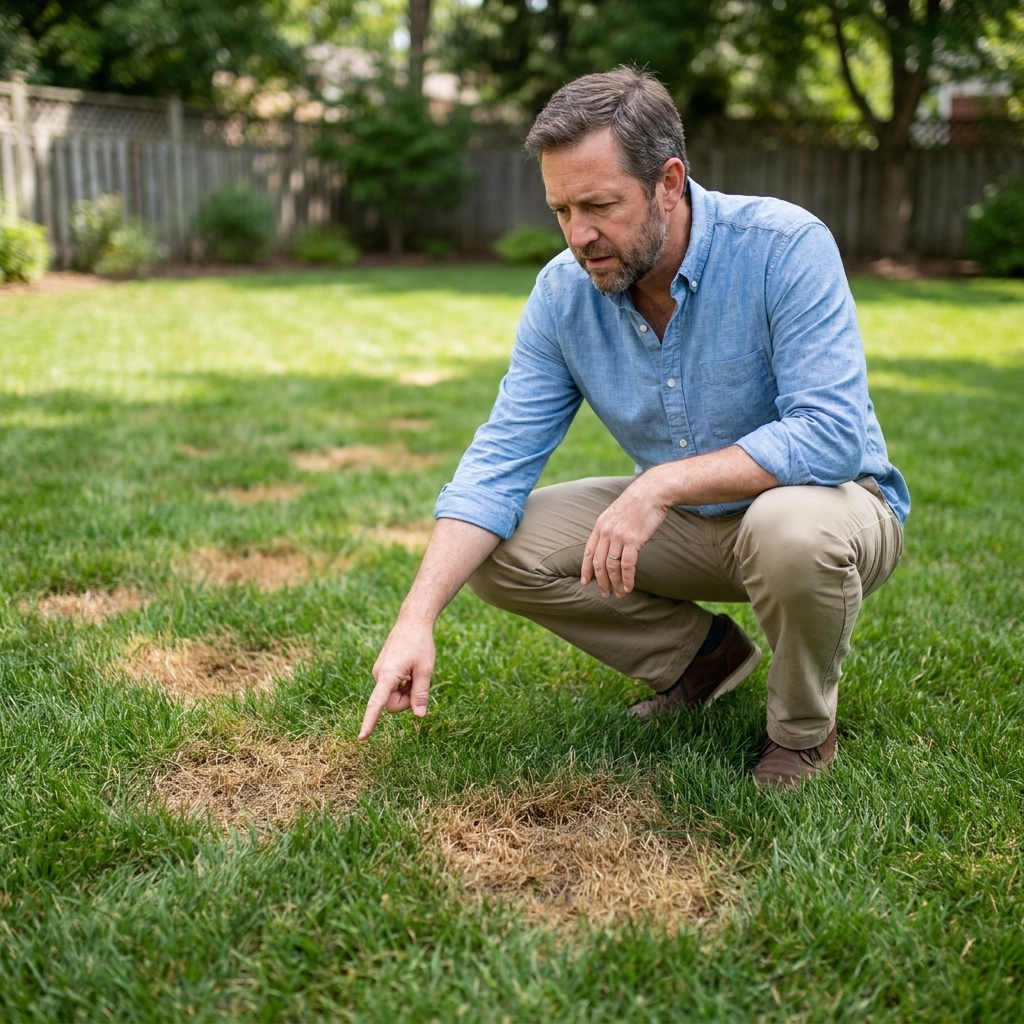
- Watch for disease that looks like pests: brown patch and dollar spot can mimic insect damage. Confirm before treating.
- Check irrigation coverage: dry corners and slopes are where weeds move in first.
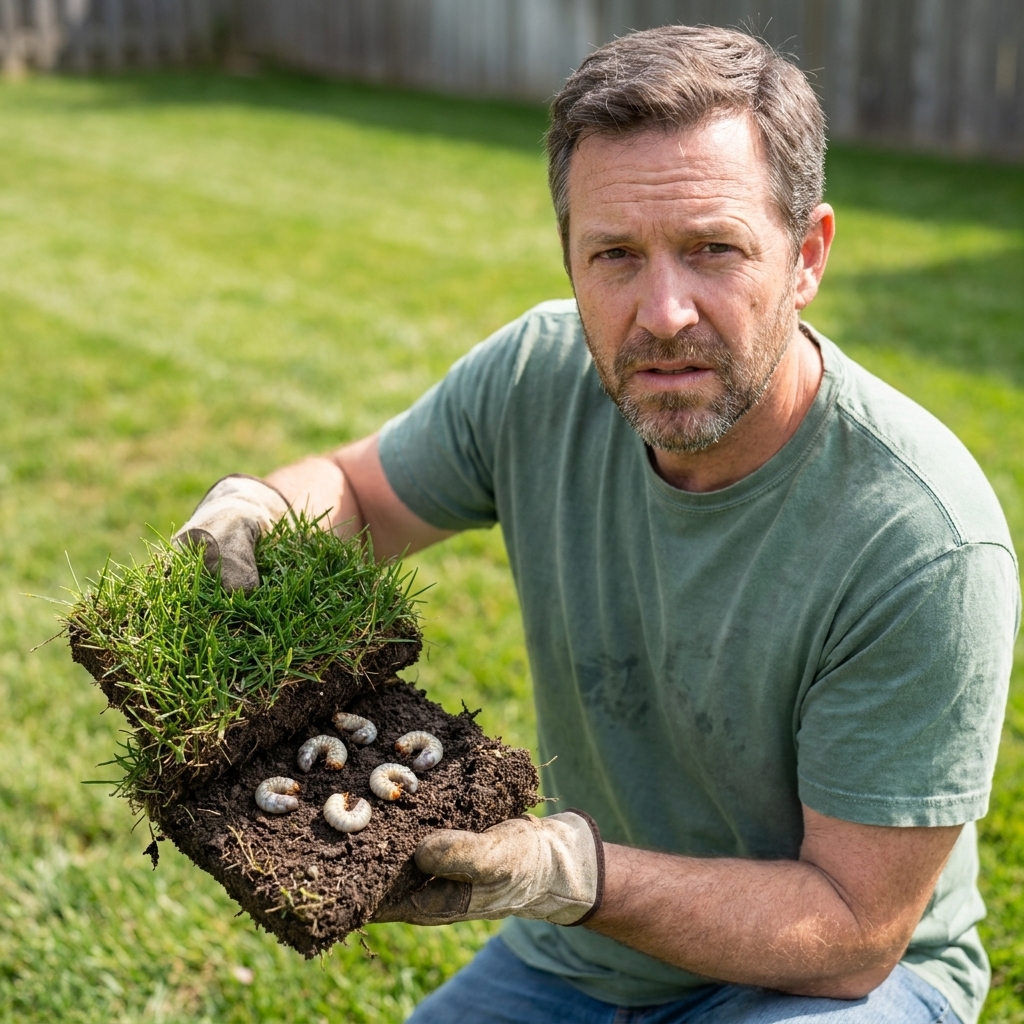
- Inspect for grubs if damage appears: tug on turf. If it peels up like a rug, investigate.
What to apply
- Post-emergent grassy weed control: only if the lawn is healthy enough and temperatures are within label limits. Many herbicides can burn turf in high heat.
- Nutsedge control: use a nutsedge-specific herbicide when sedge is actively growing. Mowing it down does not fix it.
- Curative grub control: if you confirm grubs in mid to late summer, you need a curative product labeled for active infestations. These work best when watered in properly and timed correctly, but results vary by grub stage.
Heat safety tip: If daytime highs are pushing 90°F and humidity is heavy, pause blanket herbicide applications. Early morning spot treatments and label-compliant temperature ranges are your friend.
Drift and runoff reminder: Spray on calm days, keep products out of vegetable gardens and flower beds, and follow local rules for applications near water.
Early fall (September)
If you only did one season of weed control, I would pick fall. In cool-season lawns especially, fall is when turf can thicken up and outcompete weeds. It is also when you can prevent winter annuals and knock back broadleaf weeds that will otherwise return stronger next spring.
Checklist
- Aerate if soil is compacted: thick turf is the best weed prevention.
- Overseed thin areas (cool-season lawns): more grass means fewer weed openings.
- Apply fall pre-emergent for winter annuals where they are an issue.
- Target broadleaf weeds: dandelion, clover, and plantain are highly vulnerable in fall.
- Feed for density: in cool-season lawns, fall fertilization is one of the simplest ways to thicken turf and reduce weed pressure. Follow your soil test and local guidance so you do not overdo it.
What to apply
- Fall pre-emergent (optional but powerful): helps reduce winter annual weeds like chickweed and henbit in many regions. Timing is typically tied to cooling soil temps and the first real fall weather shift, not a calendar date.
- Broadleaf herbicide: spot treat or blanket treat depending on infestation level, always following label guidance for your grass type and temperatures.
Seeding note: If you are overseeding, herbicide and pre-emergent timing must be compatible with your seed plan. Read labels carefully, because some products require a waiting period before or after seeding.
Late fall (October to November)
Late fall is when your lawn starts storing energy for next year. It is also your last chance to clean up weeds that will otherwise overwinter.
Checklist
- Final broadleaf cleanup: spot spray persistent weeds on a calm day.
- Keep mowing as needed: do not let grass get too tall going into winter.
- Leaf management: remove heavy leaf cover to prevent smothering and disease.
What to apply
- Late-fall weed control: effective on many broadleaf weeds as they move carbohydrates to the roots. This is one reason fall treatments pay off so well in spring.

Winter (December to January)
Winter is not about applications for most homeowners. It is about avoiding damage that turns into weeds later.
Checklist
- Avoid repeated foot traffic on frozen or dormant turf.
- Limit salt damage: use lawn-safe deicers near turf edges when possible and shovel early to reduce the need for heavy salt.
- Service your spreader and sprayer: clean, calibrate, and store properly so spring applications are accurate.
- Review last season: where did weeds break through? That is where your timing or coverage needs improvement.
Quick schedule
Here is the simple “stick it on the garage wall” version. Adjust by soil temperature, your region, and your grass type.
- Late winter to early spring: plan products, sharpen blades, soil test if needed, spot treat surviving winter weeds on warm days.
- Spring: crabgrass pre-emergent (often split application), spot treat broadleaf weeds, begin pest scouting.
- Early summer: grub preventer (where needed and correctly timed), continue scouting for surface insects, protect turf from stress.
- Mid to late summer: spot treat only, nutsedge targeted control, confirm pests before treating, curative grub control only if infestation is confirmed.
- Early fall: overseed and aerate if needed, fall pre-emergent for winter annuals (optional), broadleaf weed control, fertilize as appropriate for your grass and soil test.
- Late fall: final weed cleanup, leaf management, mow until growth stops.
- Winter: avoid salt and traffic damage, tune equipment, plan timing for spring.
Adjust for your region
If you are in a transition zone or a warmer coastal area, your “months” may slide earlier or later. Do not fight the calendar. Watch your 2-inch soil temps in spring for crabgrass prevention, and watch your first real cool-down in fall for winter annual prevention. If you are unsure, your local extension office recommendations are usually the most reliable for your zip code.
Common mistakes
- Applying pre-emergent too late: once the weed has germinated, pre-emergent cannot put it back in the ground.
- Not watering in products that require it: many granular preventers need water to form the protective barrier.
- Mowing too short: thin turf is an open invitation for weeds and summer stress.
- Blanket insecticide applications without confirming a pest: you spend money and can harm beneficials, while the real problem might be disease or drought.
- Skipping fall weed control: you might feel like you are “done for the year,” but fall is when next spring’s weed pressure is decided.
FAQ
Do I really need pre-emergent every year?
If crabgrass or goosegrass has been a recurring problem, yes, a spring pre-emergent is the most reliable tool. If you have a thick, healthy lawn and minimal history of grassy weeds, you may be able to reduce rate or focus only on problem zones, but most homeowners get the cleanest results by staying consistent.
Can I overseed and use pre-emergent?
Often not at the same time, since many pre-emergents block desirable seed from germinating too. Some products are more seed-friendly for specific situations, but label details matter. For cool-season lawns, the simplest plan is usually pre-emergent in spring and overseed in fall.
What is the best time to treat grubs?
Preventative treatments work best when applied before or during early hatch, typically late spring into early summer depending on your region and the active ingredient. Curative treatments are for confirmed infestations and have a narrower effectiveness window.
My lawn has brown patches. Is it pests or disease?
Could be either, or even drought stress. Before you treat, do a quick check: tug on the grass, look for insects at the soil line, and consider recent weather and watering. When in doubt, confirm with a simple soap flush test for surface insects or check for grubs by cutting and peeling a small section of turf.
Closing advice
A flawless lawn is not about spraying more. It is about doing a few things at the right time, then letting healthy turf do the heavy lifting. Start with spring pre-emergent timing, add targeted grub prevention if your lawn has a history, and take fall weed control seriously. Do that for one full season and you will usually see a calmer, thicker lawn with fewer ugly surprises.