A step-by-step homeowner guide to timing pre-emergent herbicides for crabgrass and other spring weeds, plus application tips, watering-in, and common mistake...
lawn care
Pre-Emergent vs. Post-Emergent Herbicides
 Mark Vance
 is a former professional landscaper and the lead turf enthusiast at Yard Mentor. With over 15 years of experience in soil health, turf management, and residential landscaping, he is dedicated to helping homeowners transform frustrating dead patches into lush, healthy lawns. When he isn't testing new grass seed blends, you can find him enjoying a Saturday morning coffee looking out over his freshly striped yard.
Updated October 17, 2026
Created October 17, 2026
Mark Vance
Mark Vance is a former professional landscaper and the lead turf enthusiast at Yard Mentor. With over 15 years of experience in soil health, turf management, and residential landscaping, he is dedicated to helping homeowners transform frustrating dead patches into lush, healthy lawns. When he isn't testing new grass seed blends, you can find him enjoying a Saturday morning coffee looking out over his freshly striped yard.
Updated October 17, 2026
Created October 17, 2026
If you have ever sprayed weeds and felt like they laughed at you, or put down a “weed preventer” and still ended up with crabgrass, you are not alone. Most lawn weed-control frustration comes down to one thing: using the right product at the wrong time.
Herbicides for lawns generally fall into two buckets:
- Pre-emergent herbicides help stop many weeds before you can see them by preventing seedlings from establishing in the soil.
- Post-emergent herbicides kill weeds after they are up and actively growing.
Once you understand what each one can and cannot do, planning your weed control gets a whole lot simpler and a lot more effective.
Quick comparison
Here is the simplest way I explain it to neighbors over the fence:
- Pre-emergent: “Prevents” certain weeds from establishing. Best for annual grassy weeds like crabgrass and some annual broadleaf weeds.
- Post-emergent: “Treats” weeds you can already see. Best for dandelions, clover, plantain, and other existing weeds.
What they target
- Pre-emergent targets germinating seeds and tiny seedlings as they try to form roots and shoots.
- Post-emergent targets actively growing plants through leaf absorption or, in some products, systemic movement inside the weed.
What they do not do
- Pre-emergent does not kill established weeds. If you can see a weed plant, a pre-emergent will not “burn it down.”
- Post-emergent does not prevent the next wave of weed seeds from germinating unless it is a combo product that includes a pre-emergent ingredient.
Pre-emergent herbicides: when they work best
Pre-emergents are your “season planning” tool. You apply them to the soil so that when weed seeds germinate, the seedling cannot establish properly.
Best times to apply
Spring: The classic use is preventing crabgrass and other summer annuals. The goal is to have the product in place before germination ramps up.
Fall: A fall pre-emergent is incredibly useful for winter annuals like annual bluegrass (Poa annua) and some cool-season broadleaf weeds that sprout in fall, survive winter, and explode in spring (think chickweed and henbit in many areas).
Timing cues that actually help
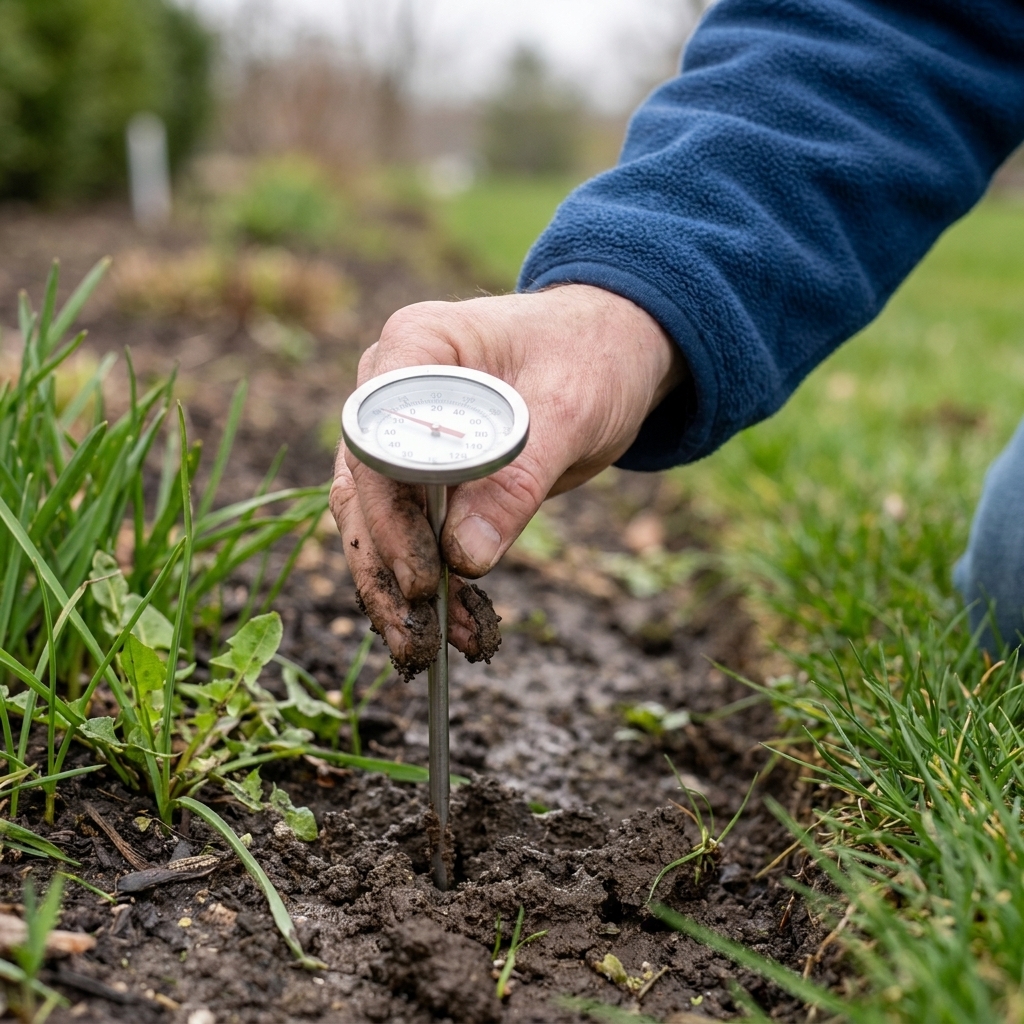
- Soil temperature beats calendar dates. Crabgrass prevention often lines up when soil temperatures at about 2 inches deep are around the mid-50s Fahrenheit for several days in a row.
- Watch your lawn and landscape. In many areas, spring ornamental bloom timing loosely tracks soil warming, but soil temperature is still the more reliable cue.
Common pre-emergent active ingredients
You will see different brand names, but these actives show up a lot in homeowner products:
- Prodiamine
- Pendimethalin
- Dithiopyr (has some early post-emergent activity on very young crabgrass)
Always match the product to your grass type and the weeds you are targeting, and follow the label. The label is the law.
How to apply pre-emergent correctly
Many pre-emergent failures are application failures, not product failures. Here is the methodical approach I use.
1) Choose granular vs. liquid
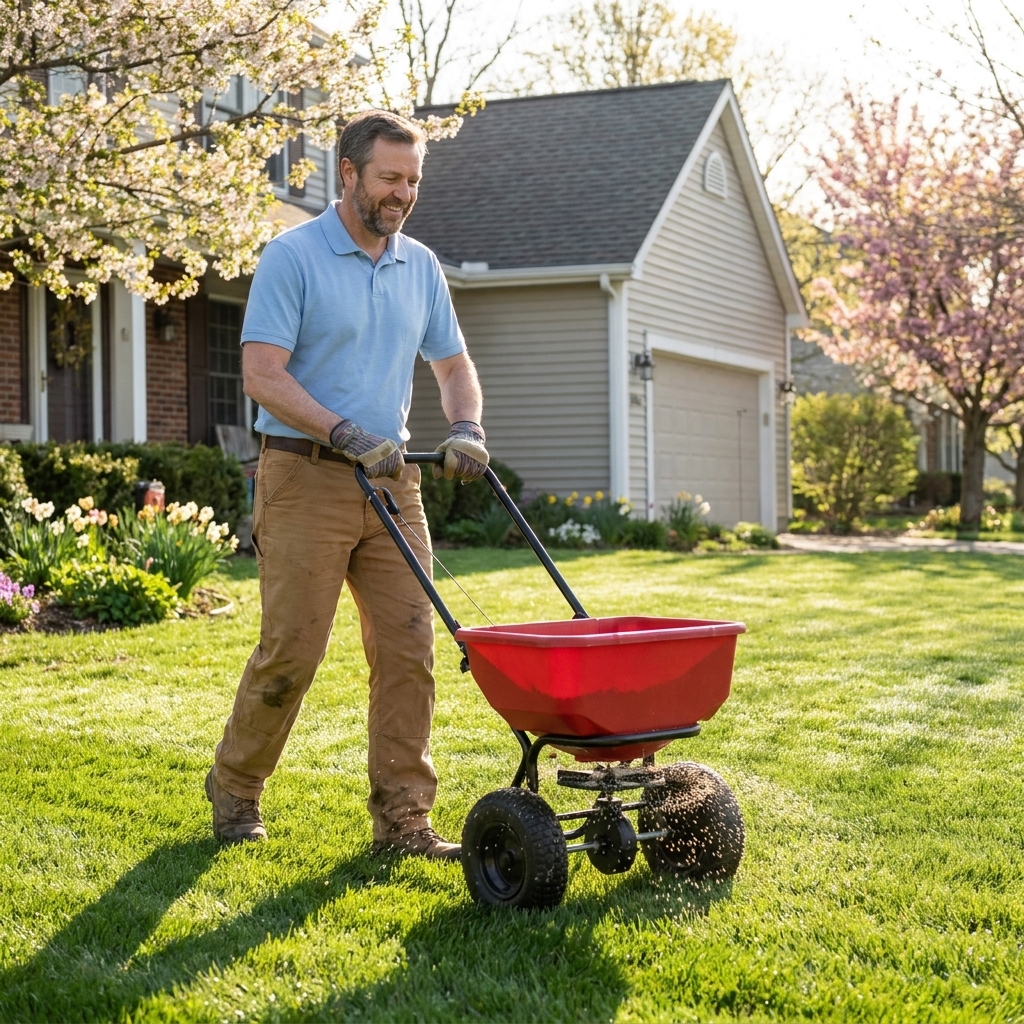
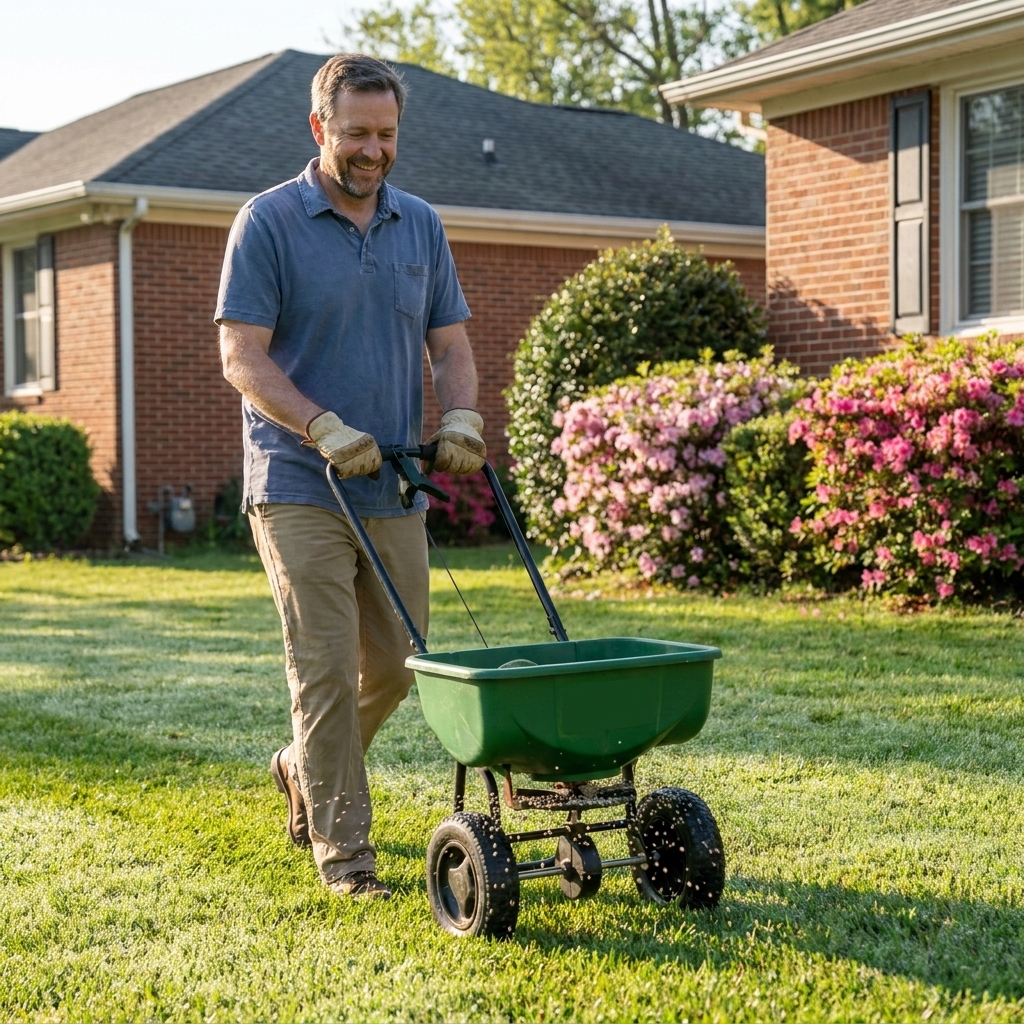
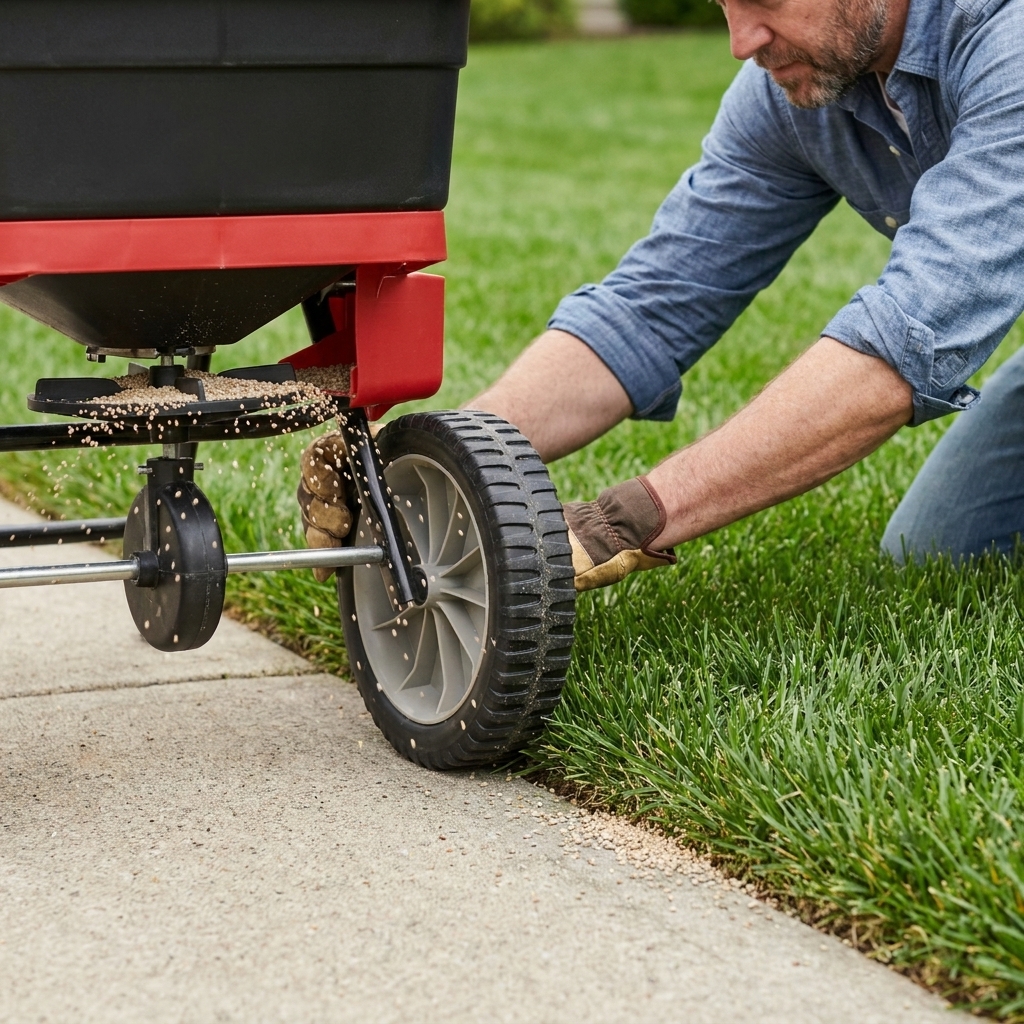
- Granular is easier for most homeowners because a spreader gives consistent coverage.
- Liquid can be very even when sprayed correctly, but you need decent calibration and consistent walking speed.
2) Apply evenly
Pre-emergents work like an invisible treated layer in the top of the soil. Gaps equal weeds. Heavy overlap and overapplication can injure turf or exceed the label rate.
- Calibrate your spreader or sprayer.
- Apply half the product in one direction, then the other half perpendicular for more uniform coverage.
3) Water it in
Most pre-emergents need to be watered in to activate. Typically you want a light, thorough watering or a timely rainfall soon after application. The label will tell you how much.
4) Avoid disturbing the treated layer
Raking aggressively, dethatching, or heavy soil disturbance after application can break up the treated layer and reduce performance. Normal mowing is fine.
Important: pre-emergent and seeding do not mix well
This is the big one. Pre-emergent does not know the difference between a weed seed and your grass seed. If you plan to overseed, read the label carefully for how long you must wait before seeding, or choose a strategy designed for seeding windows.
The same idea applies to new sod and newly sprigged or plugged lawns. Many products have a waiting period before and after installation. Check the label for your grass type and timeline.
If you are in prime overseeding season and also battling weeds, a common approach is to focus on growing dense turf first, then tackle prevention next season.
Post-emergent herbicides: when they work best
Post-emergents are for weeds you can see right now. They are especially satisfying when you time them correctly and hit weeds when they are young and actively growing.
Two main types: selective vs. non-selective
- Selective post-emergents target certain weeds while (generally) leaving turfgrass alone when used as directed. These are your lawn-safe weed killers.
- Non-selective post-emergents kill or injure most green plants. These are for cracks, gravel, landscape beds, or very careful spot treatments when you are willing to sacrifice turf.
Contact vs. systemic
- Contact products damage the plant tissue they touch. Coverage matters a lot.
- Systemic products move within the plant. They often take longer to show results, but can provide more complete control on established weeds.
Best times to apply
- Spring and fall are typically prime for broadleaf weeds in cool-season lawns because weeds are actively growing and temps are moderate.
- Summer applications can work, but heat stress can make turf more sensitive and can reduce the effectiveness of some products. Check the label for temperature guidance.
How to use post-emergent correctly
1) Identify the weed first
Broadleaf weeds, grassy weeds, sedges, and perennial weeds often need different products. A “one-size-fits-all” spray is usually a compromise.
- Nutsedge is a classic curveball. Many common broadleaf lawn sprays do very little to it, so you usually need a sedge-specific post-emergent labeled for your turf.
- Perennial grassy weeds can be tricky in lawns because the best control options are often grass-type specific. Identification matters.
2) Pick the right formulation
- Ready-to-spray hose-end: convenient, but can be easy to overapply.
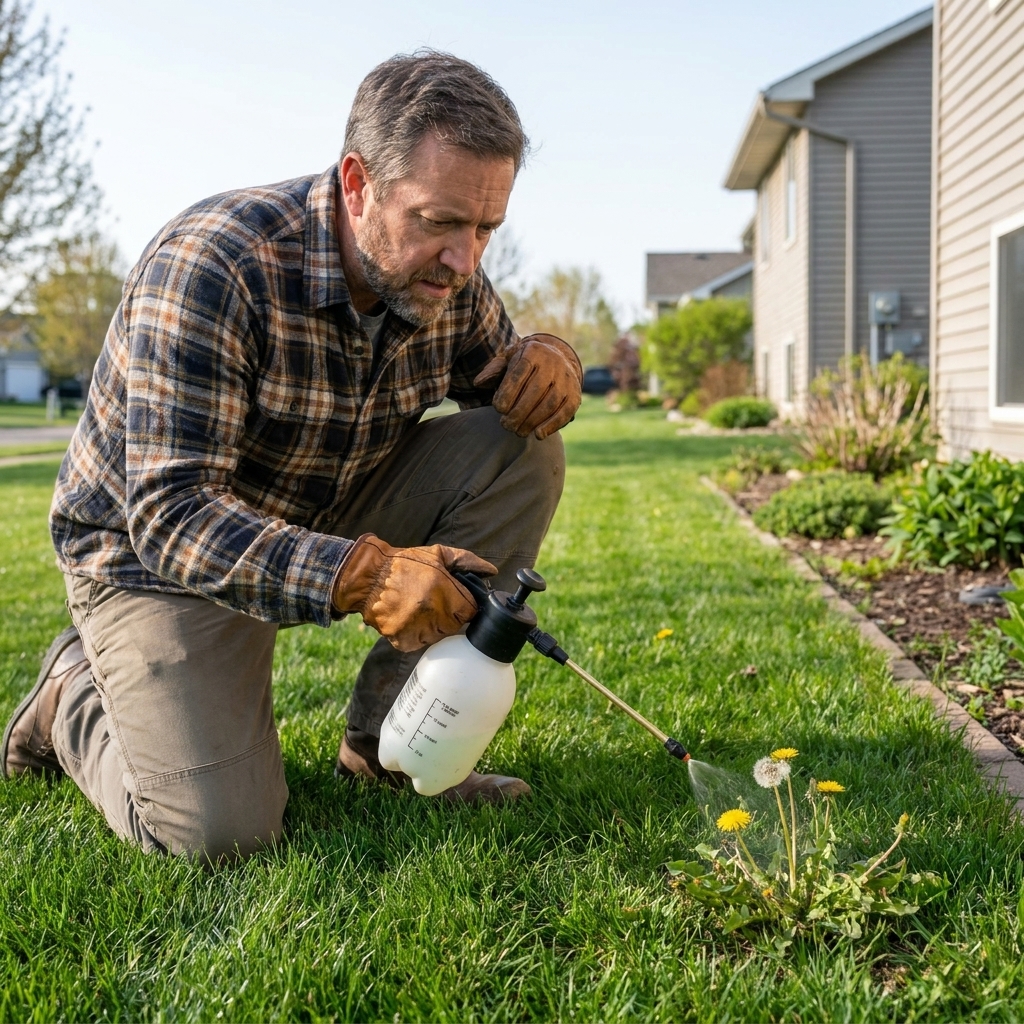
- Ready-to-use trigger bottle: great for spot treating small areas.
- Concentrate + pump sprayer: best balance of control and cost if you are treating more than a few weeds.
3) Spray at the right growth stage
Small, young weeds are easier to control than mature weeds with deep roots or waxy leaves. Do not wait until the problem looks like a tiny forest.
4) Respect mowing and watering windows
Many post-emergents work better when you give weeds plenty of leaf surface to absorb the product.
- A common rule is to avoid mowing right before or right after spraying, but follow the label for exact timing.
- Avoid irrigation or rainfall for the period listed on the label so the product is not washed off.
5) Use a surfactant only when the label allows it
Some concentrates recommend a surfactant to help spray stick to leaves, especially on waxy weeds. Others already include it, and adding more can increase turf injury risk.
6) Basic safety goes a long way
- Wear the PPE the label calls for. At a minimum, gloves and eye protection are a smart habit.
- Avoid spraying on windy days to reduce drift.
- Try not to spray open blooms where pollinators are actively working.
Best use cases: which one should you choose?
Use pre-emergent when
- You fight crabgrass every summer.
- Your lawn gets annual weeds that return in waves.
- You want to reduce the need for blanket spraying later.
- You are not planning to seed in the near term.
Use post-emergent when
- You already have visible weeds like dandelion, clover, plantain, or spurge.
- You missed the pre-emergent window.
- You are spot-treating patches rather than treating the whole lawn.
Use both when
This is the “cleanest lawn with the least drama” approach for many homeowners:
- Pre-emergent to stop the next wave.
- Post-emergent spot treatments to knock out the survivors.
If you do nothing else, remember this: pre-emergent is prevention, post-emergent is treatment. They are teammates, not competitors.
Tips to prevent lawn damage
- Read the label with your grass type in mind. Some products are not safe for certain warm-season or cool-season grasses.
- Adjust for your lawn type and region. Cool-season and warm-season lawns often have different timing windows, and product safety can vary by turf species.
- Do not apply on windy days. Drift is how good lawns get accidental “polka dots.”
- Avoid stressed turf. Heat, drought, and recent scalping make lawns more prone to herbicide injury.
- Measure your lawn area. Overapplication is the fastest route to damage. Know your square footage and apply accordingly.
- Do not expect overnight miracles. Many systemic herbicides take 7 to 21 days to fully show results.
Common mistakes (and fixes)
Mistake: Putting down pre-emergent after crabgrass is already up
Fix: Use a post-emergent labeled for crabgrass at the right growth stage, then plan pre-emergent earlier next season.
Mistake: Expecting post-emergent to provide season-long prevention
Fix: Add a pre-emergent application to your yearly routine, or use a product specifically designed as a combination when appropriate.
Mistake: Treating the whole lawn when only a few weeds exist
Fix: Spot treat. It saves money and reduces turf stress.
Mistake: Seeding right after pre-emergent
Fix: Either delay seeding, choose a compatible strategy per the label, or prioritize renovation and weed control in separate seasons.
Mistake: Not watering in pre-emergent
Fix: Time your application before a light rain or run irrigation to activate it as directed.
FAQ
Can I apply pre-emergent and post-emergent at the same time?
Sometimes, yes. Some products are designed as combination treatments, and in other cases you can apply separate products close together if the labels allow it. The key is turf safety, temperature guidance, and total amount applied per season. When in doubt, space applications out and spot treat instead of blanket spraying.
Does pre-emergent stop weeds from germinating?
Usually not in a literal sense. Most pre-emergents allow germination but prevent successful establishment by disrupting early root and shoot development, so seedlings die shortly after sprouting.
Why do I still get weeds after using pre-emergent?
A few common reasons: uneven coverage, the product was not watered in, the treated layer was disturbed, or the weeds were not on the label. In some cases, heavy rain or irrigation can move product unevenly or into low spots, which creates gaps. Also, no pre-emergent is perfect. Spot treating a few escapees is normal.
Is it better to spray weeds or pull them?
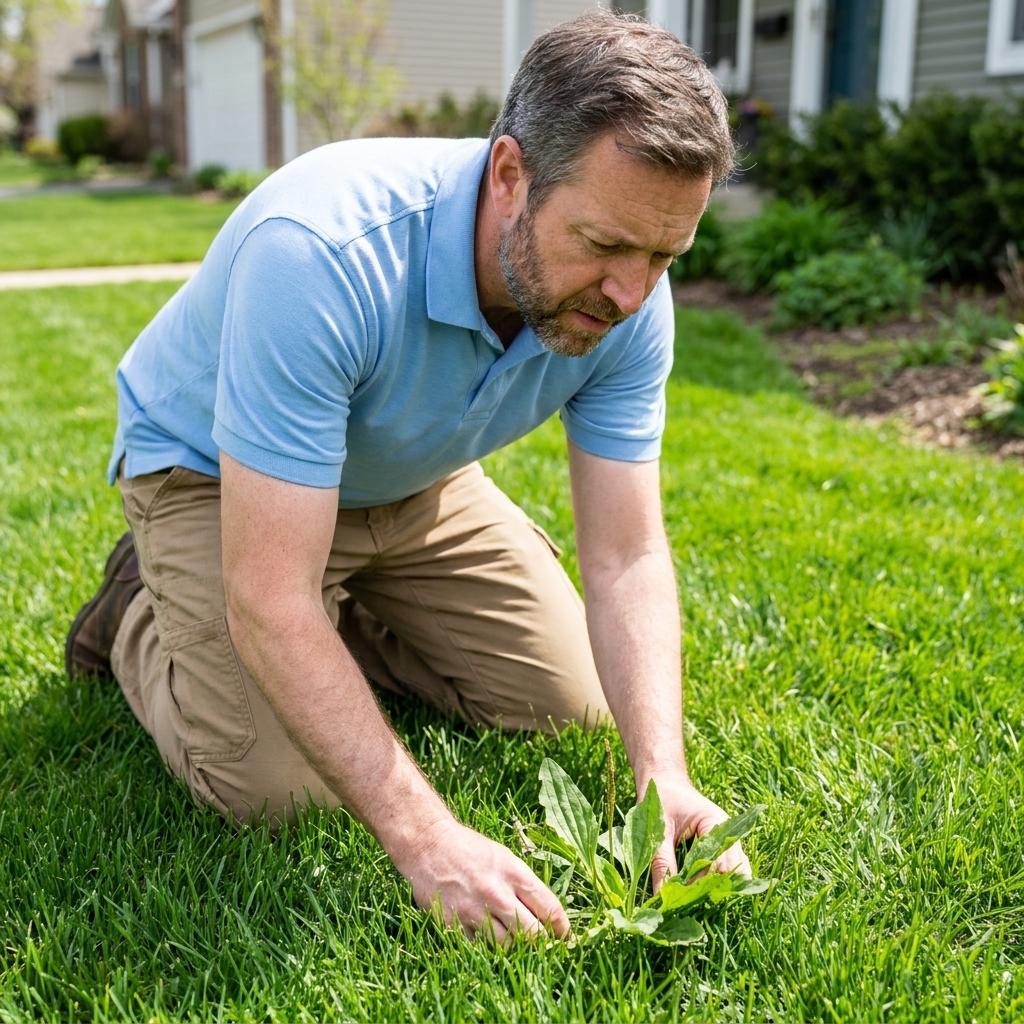
Pulling works great for a small number of weeds, especially after rain when soil is soft, but you need to get the whole root. For widespread weeds, selective post-emergent spot treatment is usually more practical. Either way, thick turf is the long-term answer.
How long should I stay off the lawn after applying herbicide?
Follow the label. A common best practice is to keep kids and pets off until the product has dried and any watering-in instructions have been completed.
A simple weed-control plan
If you want a no-nonsense approach that fits real life, here is the rhythm I like for most established lawns:
- Early spring: Apply pre-emergent for crabgrass prevention, then water it in.
- Late spring into summer: Spot treat with post-emergent as needed.
- Early fall: Consider a fall pre-emergent if winter annuals are a problem in your yard.
- Fall: Spot treat broadleaf weeds when temps cool, and focus on mowing and fertilizing that builds dense turf.
Weed control is not about nuking your lawn. It is about stacking small, well-timed wins so weeds slowly run out of opportunities. Get the timing right, and you will be shocked how much easier lawn care feels.