A step-by-step homeowner guide to timing pre-emergent herbicides for crabgrass and other spring weeds, plus application tips, watering-in, and common mistake...
lawn care
7 Essential Spring Lawn Care Tasks
 Mark Vance
 is a former professional landscaper and the lead turf enthusiast at Yard Mentor. With over 15 years of experience in soil health, turf management, and residential landscaping, he is dedicated to helping homeowners transform frustrating dead patches into lush, healthy lawns. When he isn't testing new grass seed blends, you can find him enjoying a Saturday morning coffee looking out over his freshly striped yard.
Updated October 17, 2026
Created October 17, 2026
Mark Vance
Mark Vance is a former professional landscaper and the lead turf enthusiast at Yard Mentor. With over 15 years of experience in soil health, turf management, and residential landscaping, he is dedicated to helping homeowners transform frustrating dead patches into lush, healthy lawns. When he isn't testing new grass seed blends, you can find him enjoying a Saturday morning coffee looking out over his freshly striped yard.
Updated October 17, 2026
Created October 17, 2026
Every spring, I see the same thing across my neighborhood: somebody panics at the first warm weekend, scalps the lawn, dumps fertilizer like it is confetti, and then wonders why the yard looks stressed by May.
The goal in early spring is simple: help your grass transition out of winter gently. Think of it like waking up on a Monday. A little water, a little clean-up, and a steady routine beats chaos every time.
Here are the seven spring lawn care tasks I recommend checking off in order, especially if you are coming out of snow, freeze-thaw cycles, or a long soggy winter.
1) Rake out winter debris
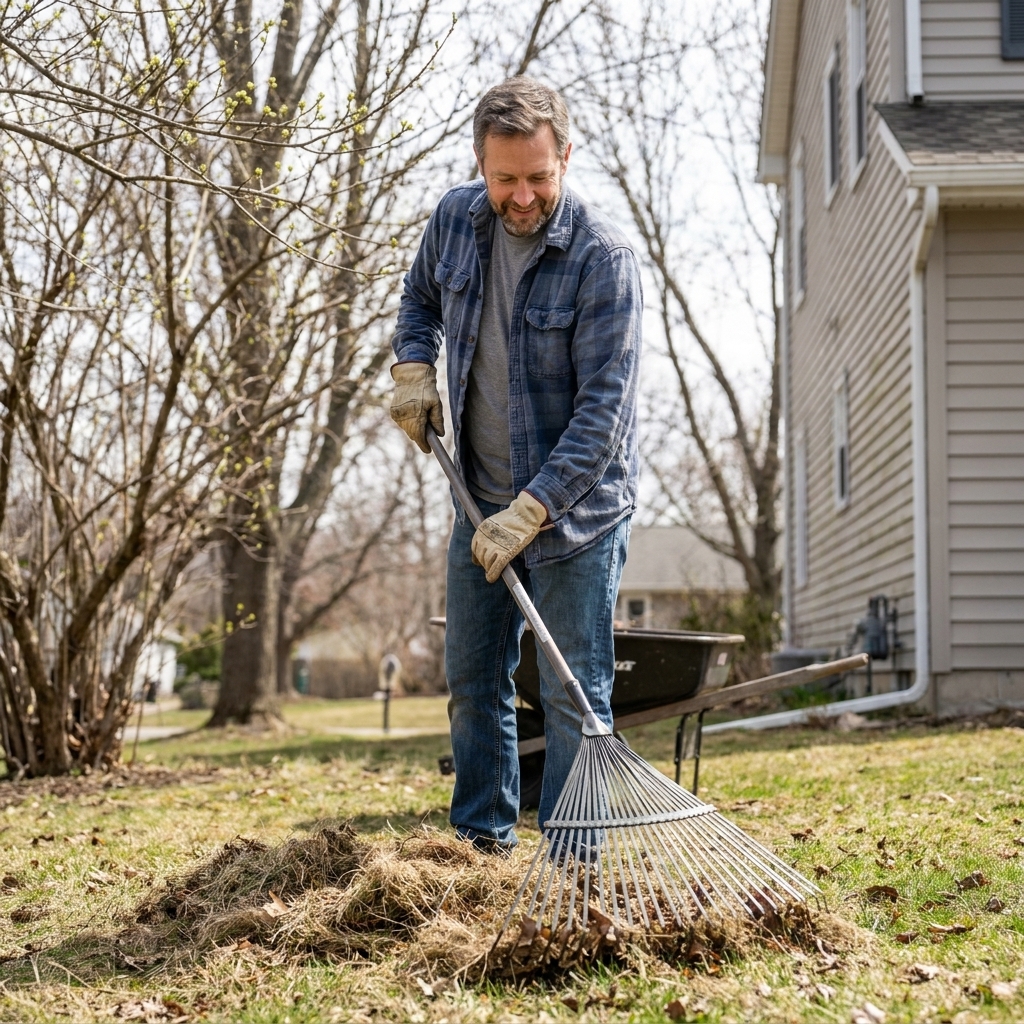
Before you fertilize, seed, or mow, do a clean sweep. Leaves, twigs, road sand, and snow mold residue can smother turf and hold moisture against the crown.
How to do it without ripping up grass
- Wait until the lawn is mostly dry. If your shoes sink or you leave deep footprints, you are too early.
- Use a leaf rake or a spring tine rake and keep pressure light. You are lifting and fluffing, not trenching.
- Pay extra attention to shaded areas and spots where snow piled up. Those are the usual matted zones.
Quick tip: If you see patches with a gray or pink cast and matted blades, it is often snow mold, but other issues can look similar. Light raking and better airflow usually help either way as temperatures rise.
2) Fix drainage issues
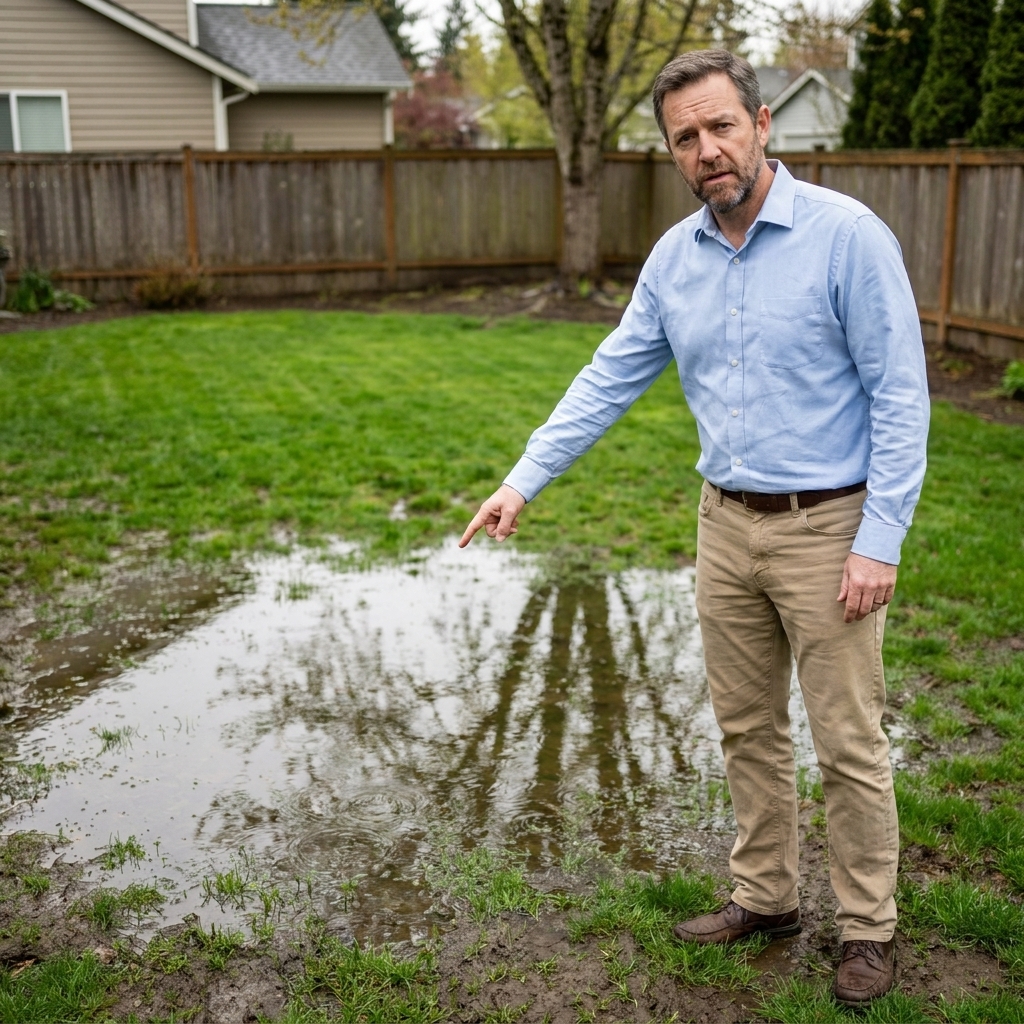
Spring is when lawns reveal their secrets: puddles that never fully drain, downspouts that dump water in one spot, and low areas that turn into mini ponds.
- Walk the lawn after a rain and note where water sits for a day or so or keeps coming back after normal showers.
- Clean gutters and extend downspouts so roof runoff is not carving channels through your turf.
- For small low spots, topdress with a thin mix of topsoil and compost and level gradually over a couple of weeks. Avoid burying grass under a thick layer in one shot.
If your lawn is consistently soggy, do not rush to aerate while the soil is wet. The bigger risk is the equipment and foot traffic compacting the soil, plus cores that smear instead of punching clean holes.
3) Test soil and pH
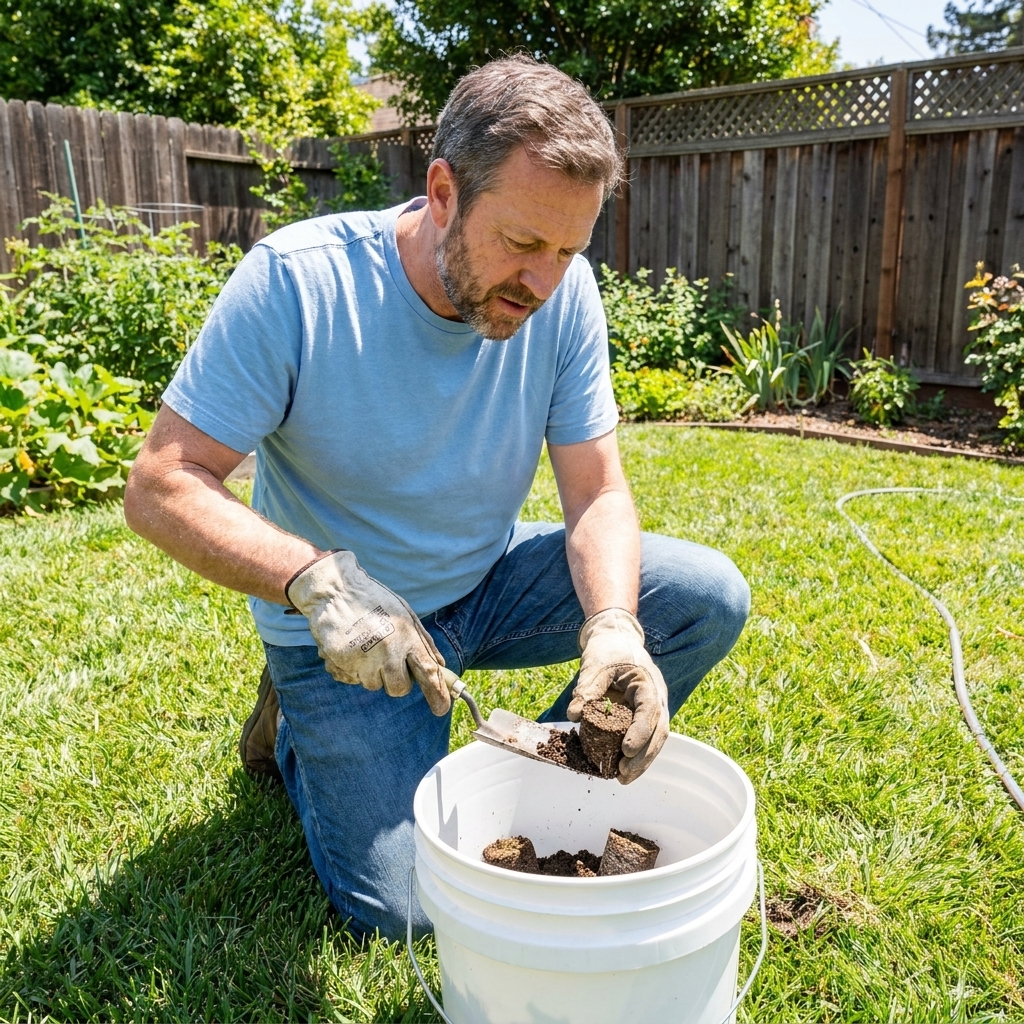
If I could pick one grown-up lawn care habit that saves money, it is a soil test. It tells you what your lawn actually needs, not what the bag at the store hopes you will buy.
What to look for
- pH: Most turf grasses do best generally in the 6.0 to 7.0 range, with many cool-season lawns happiest around the mid-6s. Warm-season grasses can vary, and some tolerate more acidic soil. Your local extension recommendations matter here.
- Phosphorus and potassium: Especially important if you plan to seed or if the lawn struggled last year.
- Organic matter: A good indicator of how resilient your soil will be during summer stress.
You can use a mail-in lab or your local extension service. Either way, test now so you can make calm, targeted adjustments before the fast growth period hits. Also worth noting: some areas restrict phosphorus fertilizer unless a soil test shows you need it, so testing can keep you on the right side of local rules.
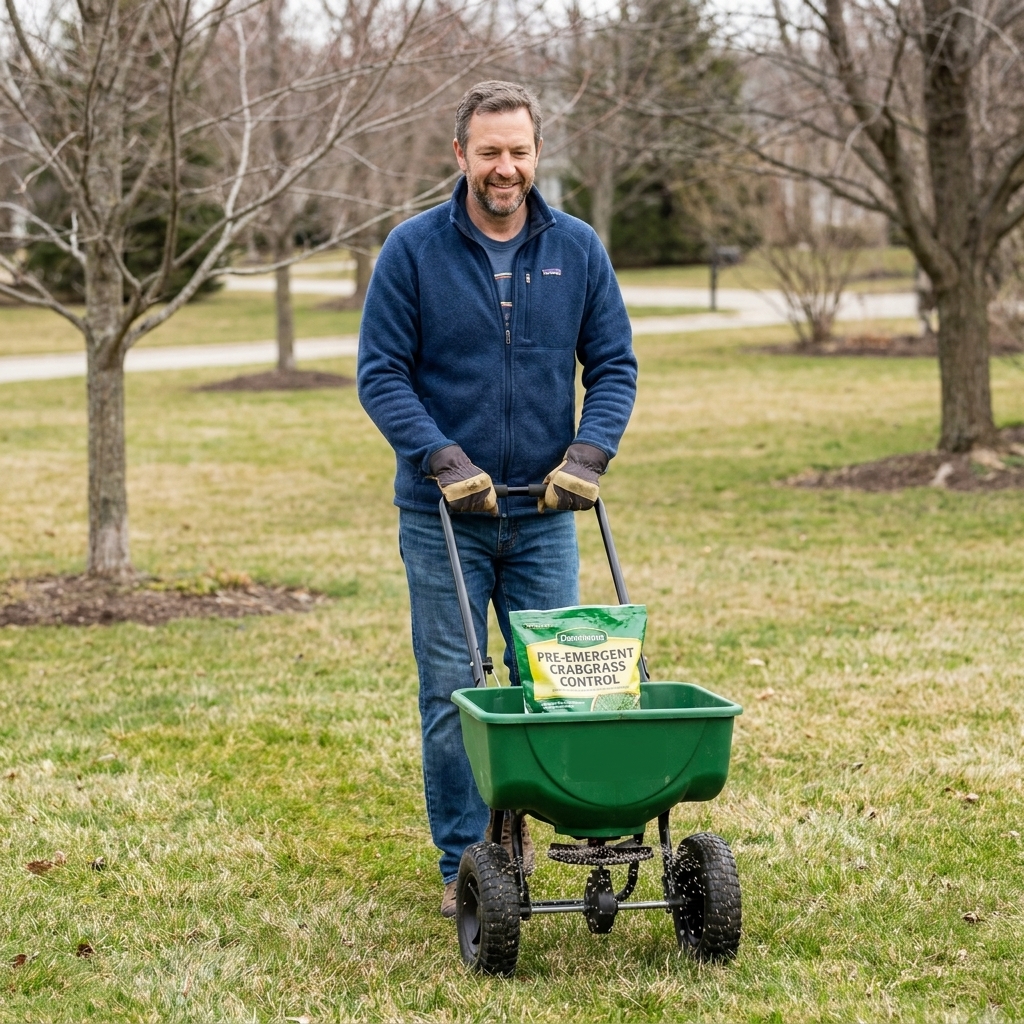
4) Time pre-emergent right
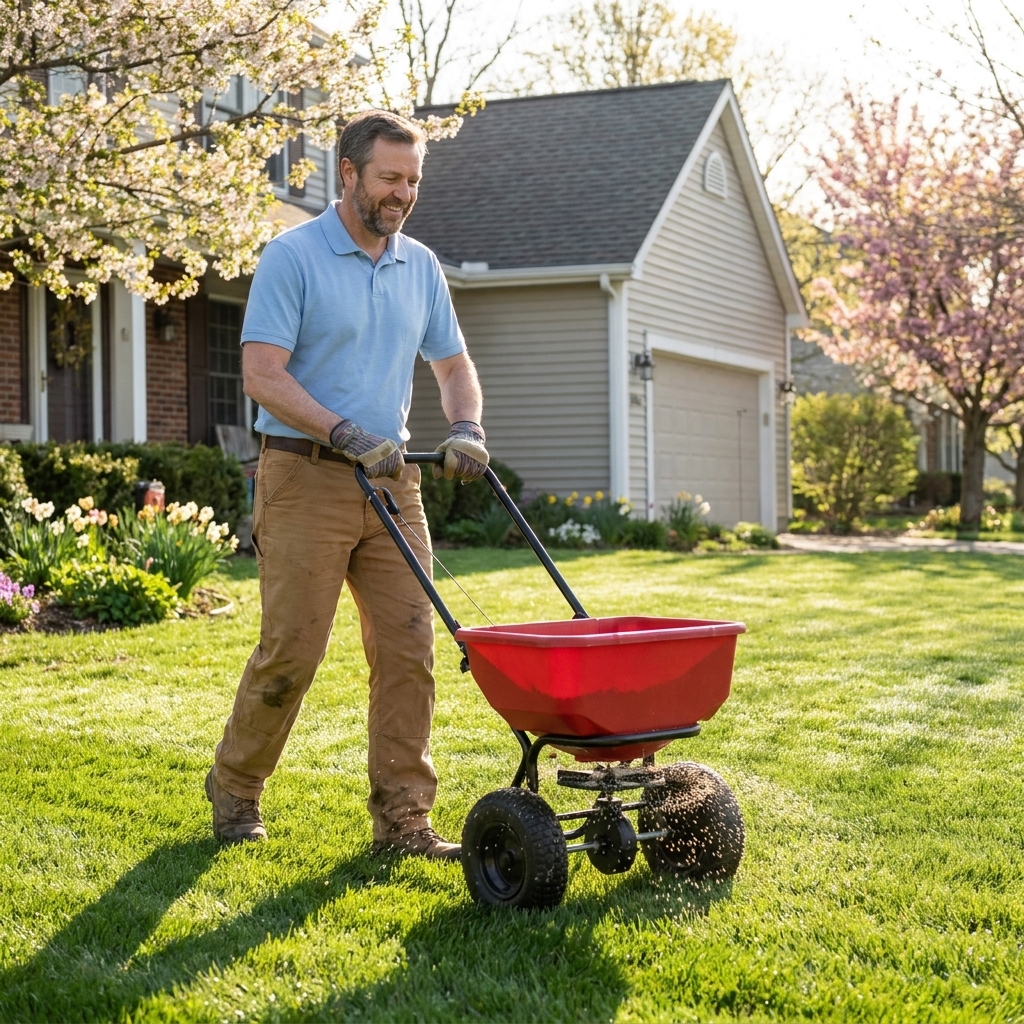
Crabgrass prevention is all about timing, not muscle. Pre-emergent works by stopping seeds as they germinate, so it has to be down before crabgrass sprouts.
Two timing cues that work
Instead of guessing by the calendar, use real signals:
- Soil temperature: Crabgrass tends to germinate when soil temperatures are around 55°F (13°C) at about 2 inches deep for several days. A cheap soil thermometer or a local soil temperature tracker makes this easy.
- Seasonal bloom cues: In many regions, forsythia nearing peak bloom lines up with warming soils, but it is not perfect everywhere. Treat it as a hint, not gospel.
- Water it in after application, or apply right before a light rain.
- Do not apply pre-emergent if you plan to seed soon unless the product label specifically allows seeding. Pre-emergent can block your grass seed too.
- If you missed the window, do not double up in a panic. You can still manage crabgrass later with good mowing height and spot treatments.
5) Aerate only when ready
Aeration is fantastic when the lawn is compacted, but it is often mis-timed in spring. The rule I used as a landscaper was simple: aerate when the grass can recover quickly.
How to decide
- If your lawn feels like concrete, you get puddling, or you see thinning in high-traffic areas, aeration can help.
- If the soil is still soggy, wait. Core aeration in wet soil can smear the holes and tear up turf, and the machine itself can compact the areas you drive over.
- Cool-season grasses (like Kentucky bluegrass, fescues, ryegrass) often recover best from aeration in fall. Spring aeration can still work, but it is more of a needs it move than a routine tradition.
If you do aerate in spring, follow up with compost topdressing and a gentle feeding, not a high-nitrogen blast.
6) Overseed bare spots
Spring can be a good time to patch thin areas, especially if you cannot stand looking at them all season. Just know that summer heat is the challenge. Your job is to get seedlings established early enough to survive it.
The method I trust for small-to-medium patches
- Rake the area to expose soil. Seed does not sprout well on a layer of dead grass.
- Spread seed at the label rate and lightly rake again so it has soil contact.
- Top with a thin layer of compost or clean straw to hold moisture (thin is key).
- Water lightly 1 to 2 times per day until germination, then less often but deeper as roots develop.
Important: If you used pre-emergent, check the label for seeding restrictions. Many products require a waiting period.

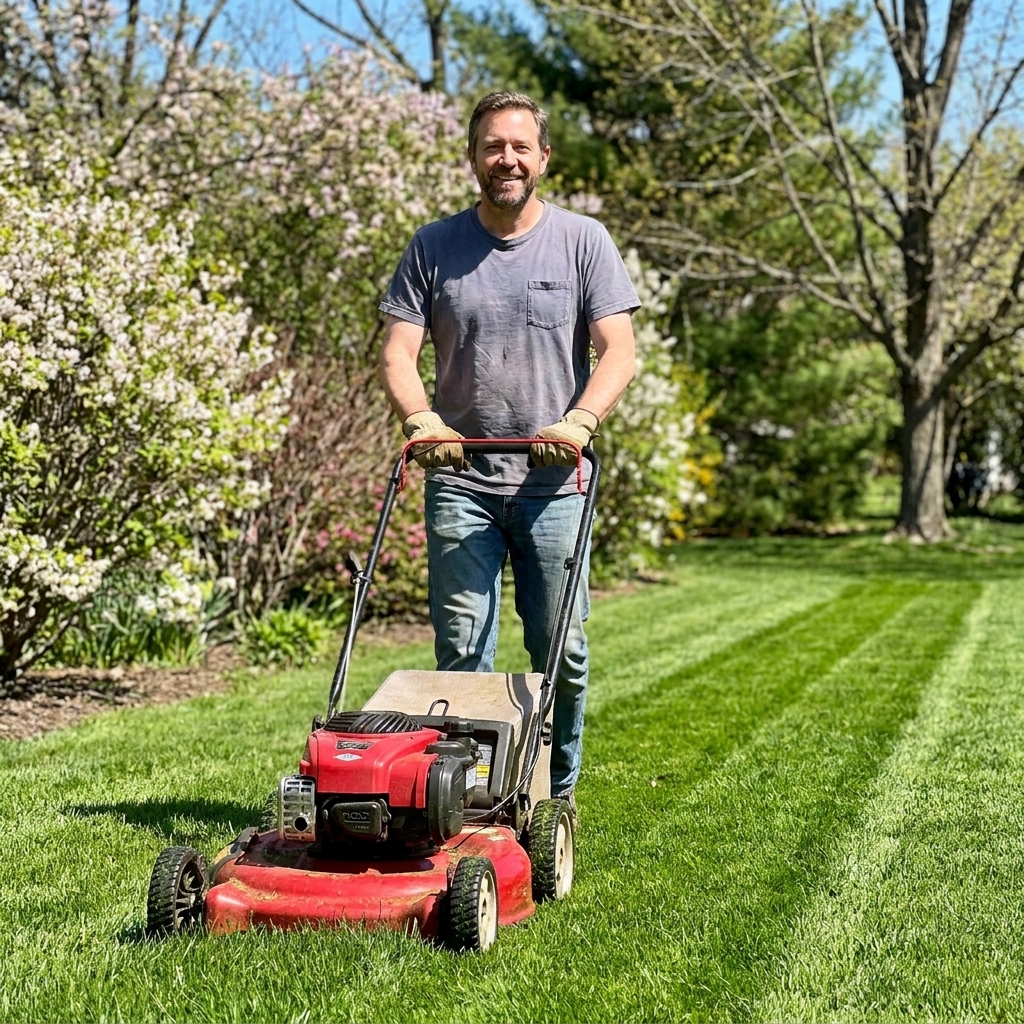
7) Start mowing correctly
Your first mow of the year sets the tone. Done right, it encourages thicker growth. Done wrong, it stresses the plant and can invite weeds.
First mow checklist
- Sharpen your mower blade. A dull blade tears grass, which looks brown at the tips and loses more moisture.
- Do not scalp. Keep the first cut on the higher side, especially if the lawn is still waking up.
- Follow the one-third rule: never remove more than one-third of the blade height in a single mowing.
- If you can, mow when the grass is dry to reduce clumping and disease pressure.
Helpful height targets: Many cool-season lawns look and compete best when kept roughly 2.5 to 4 inches tall (taller during heat). Warm-season lawns often run shorter depending on the grass type and mowing method. When in doubt, start a little higher and lower gradually if needed.
As growth picks up, mow often enough that you are trimming, not hacking. Frequent mowing is one of the cheapest ways to build density and crowd out weeds naturally.
Cool-season vs warm-season
One quick reality check before you copy somebody else’s spring routine: the right move depends on what kind of grass you have.
- Cool-season lawns (bluegrass, fescue, ryegrass): Spring is about clean-up, careful weed prevention, and mowing high. Heavy renovation is often easier in fall.
- Warm-season lawns (bermuda, zoysia, St. Augustine, centipede): Wait for real green-up before pushing growth with fertilizer. Pre-emergent timing can be earlier in some regions, and mowing heights vary a lot by grass type.
If you are not sure what you have, your local extension office can usually help you ID it fast, and that one detail makes the whole plan make more sense.
My early-spring order
If you want a quick do this, then that plan, here is the order I use on my own yard:
- Rake and clean up
- Check drainage and fix runoff issues
- Soil test (or at least plan for one)
- Pre-emergent (only if you are not seeding soon)
- Overseed bare spots (skip pre-emergent in those areas)
- Mow when growth begins, with a sharp blade
- Hold off on heavy fertilizer until the lawn is actively growing and your soil test guides you
If you are itching to do something fertilizer-wise, I would rather see you do a light, slow-release feeding only after you see steady growth, and only if it makes sense for your grass type and soil results. Spring lawn care is not about doing everything at once. It is about doing the right few things at the right time, then letting the grass do what it was built to do.
Spring lawn care FAQs
When should I start spring lawn care?
Start when the lawn is firm enough to walk on without leaving deep footprints and the soil is no longer soggy. Clean-up and light raking can begin then. Save aggressive work like aeration for when the grass can recover quickly.
Should I fertilize as soon as the snow melts?
Usually, no. If you fertilize too early, you can push weak top growth before the roots are ready. A soil test is the best guide. If you do feed early, keep it light, consider slow-release nitrogen, and avoid overdoing it.
Is it okay to dethatch in spring?
Light raking is great in spring. True dethatching can be stressful. If thatch is thick (around a half inch or more), cool-season lawns typically handle dethatching better in fall. If you dethatch in spring, be ready to water and baby the lawn during early summer.
Can I overseed and use pre-emergent?
Not with most standard pre-emergents, because they can stop grass seed from germinating too. Some products are designed to allow seeding, but you must follow that specific label. When in doubt, choose one priority: weed prevention or new grass.