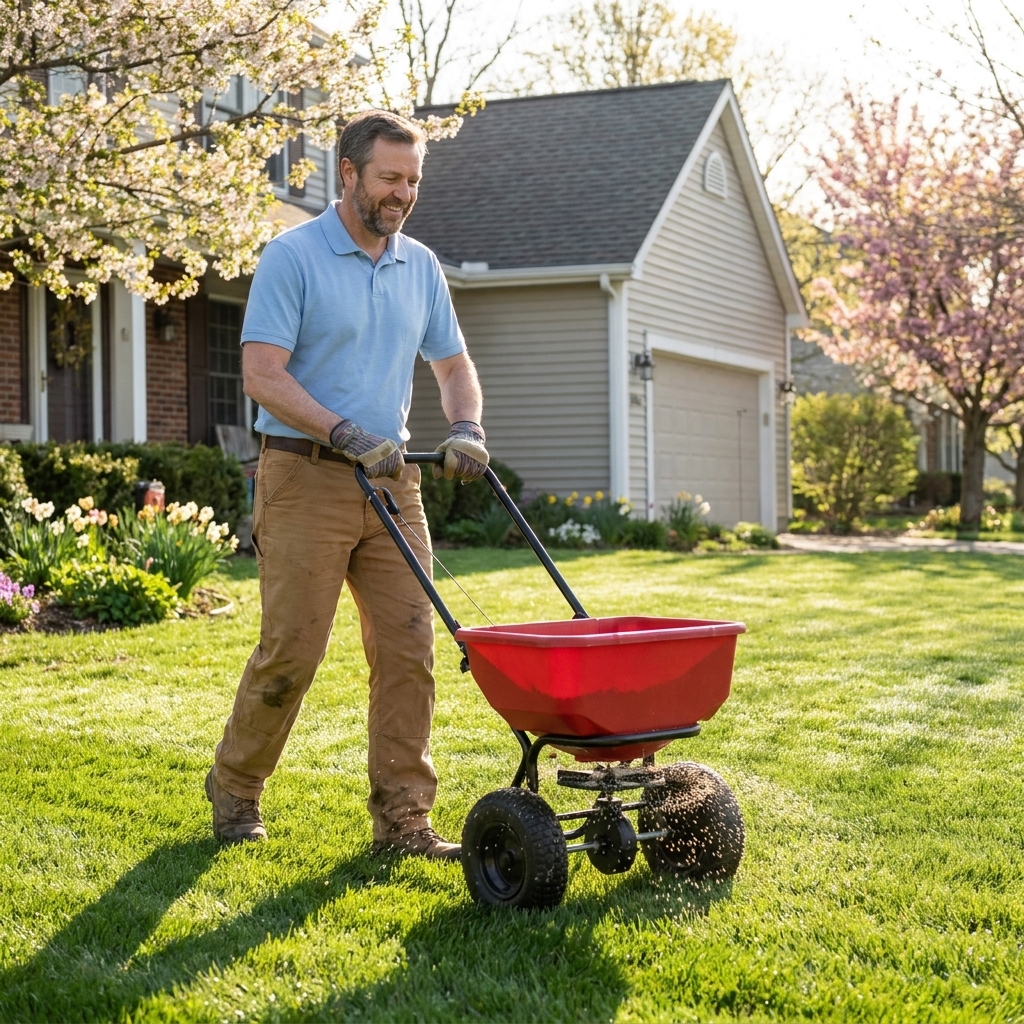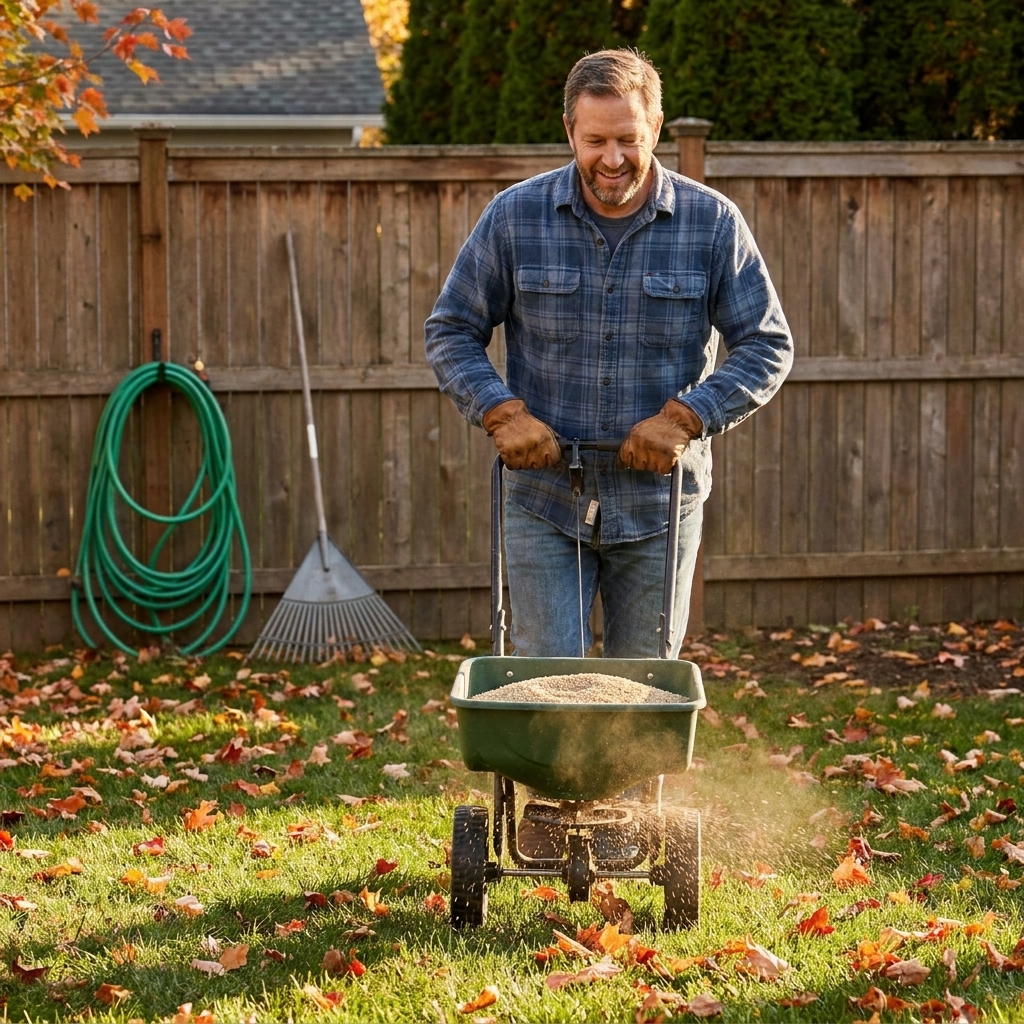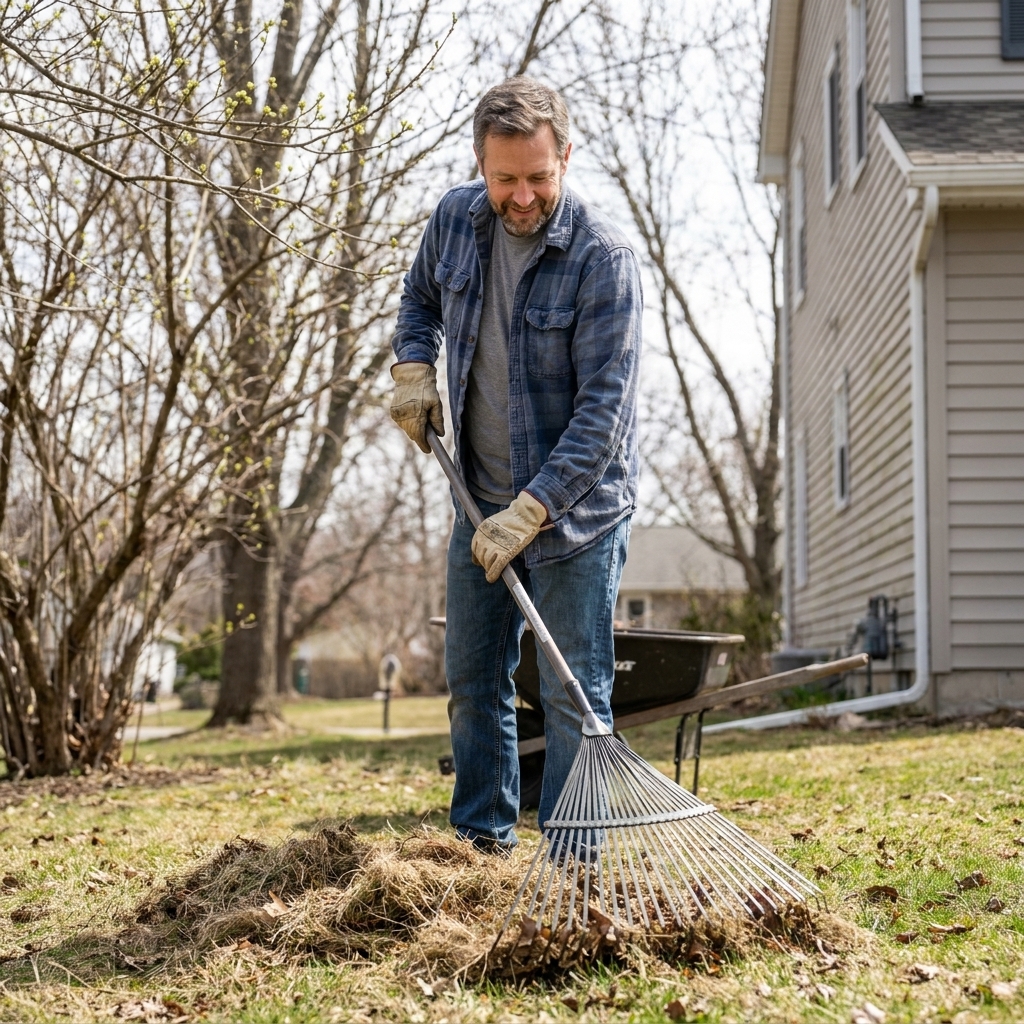
A practical spring checklist to bring your lawn out of dormancy: clean-up, soil testing, smarter pre-emergent timing, first mow basics, and gentle feeding fo...
lawn care
Spring Lawn Repair: Fix Snow Mold and Winter Damage
 Mark Vance
 is a former professional landscaper and the lead turf enthusiast at Yard Mentor. With over 15 years of experience in soil health, turf management, and residential landscaping, he is dedicated to helping homeowners transform frustrating dead patches into lush, healthy lawns. When he isn't testing new grass seed blends, you can find him enjoying a Saturday morning coffee looking out over his freshly striped yard.
Updated October 17, 2026
Created October 17, 2026
Mark Vance
Mark Vance is a former professional landscaper and the lead turf enthusiast at Yard Mentor. With over 15 years of experience in soil health, turf management, and residential landscaping, he is dedicated to helping homeowners transform frustrating dead patches into lush, healthy lawns. When he isn't testing new grass seed blends, you can find him enjoying a Saturday morning coffee looking out over his freshly striped yard.
Updated October 17, 2026
Created October 17, 2026
If your lawn looks rough the minute the snow finally disappears, you are not alone. In the Midwest, I used to think spring was “green-up season.” In reality, it is “assessment season.” Snow cover, ice, salt, foot traffic, and months of matted grass can leave behind a messy mix of gray patches, straw-colored spots, and bare soil.
The good news is most winter damage is fixable with a few patient, methodical steps. In this guide, I will walk you through how to rake out matted grass and excess thatch, deal with snow mold, and patch thin or bare areas so your yard rebounds fast without throwing money at random products.
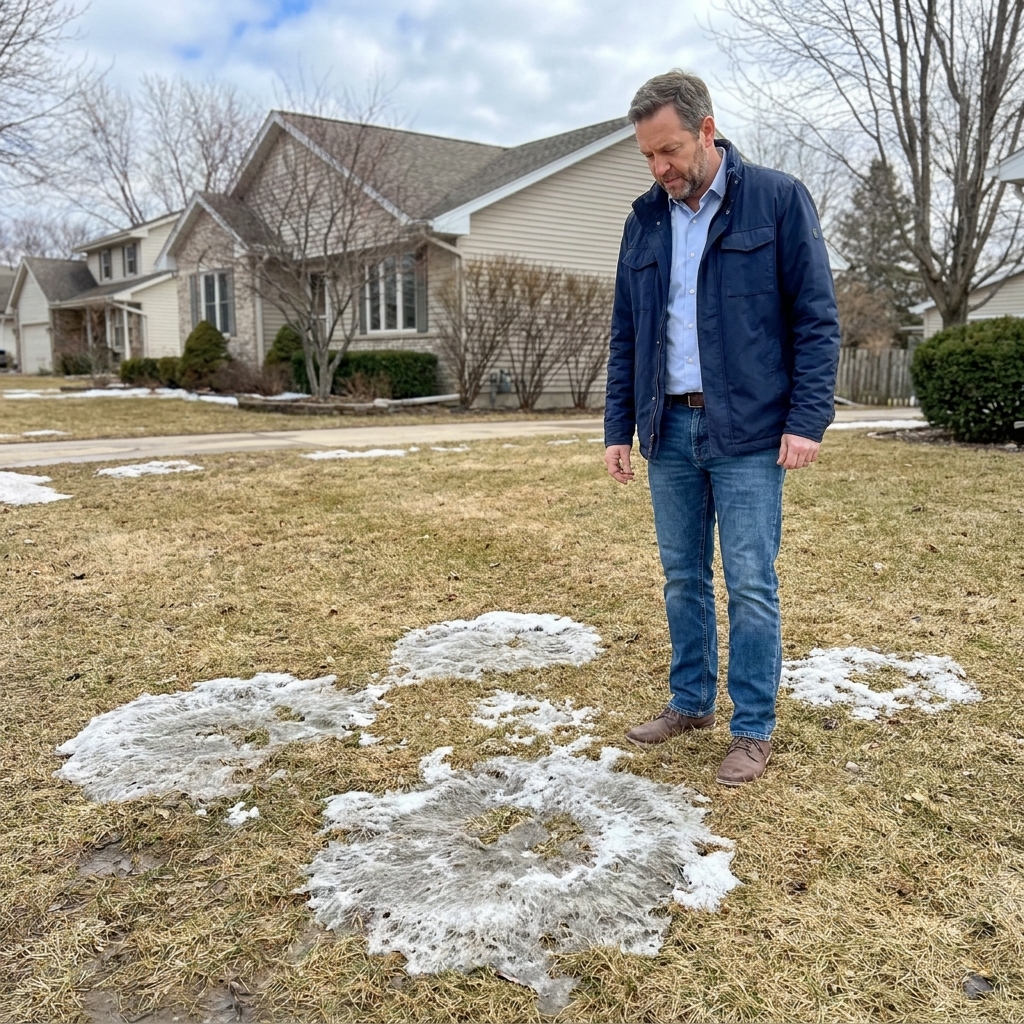
First: Identify the Problem
Before you buy anything, get down at grass level and do a quick inspection. Different winter problems can look similar from the sidewalk.
Common spring lawn issues
- Snow mold: Circular patches that look gray, white, or sometimes pinkish. Grass is often matted down like it was pressed under a heavy blanket.
- Winter kill: Straw-brown turf that does not rebound once temperatures warm. Often shows up in low spots, compacted areas, and exposed corners.
- Salt damage: Yellowing or dead grass in strips near roads, sidewalks, and driveways where de-icing salt lands.
- Snow pile suffocation: Dead areas where snow sat the longest, especially where plows piled it up.
- Vole damage: Narrow runways and small tunnels through the grass, sometimes with chewed crowns.
Quick rule: If you can gently tug on the grass and it stays rooted, it is usually recoverable. If it pulls up easily and you see very little root attached, you may be dealing with dead turf that needs seeding, or a separate issue like grub feeding, crown injury, or shallow rooting from compaction. If you find C-shaped larvae in the top couple inches of soil or the turf peels back in sheets, pause and troubleshoot before you reseed.
One regional note: This guide is geared toward cool-season lawns common in the Midwest and much of the North. If you have warm-season grass (like bermudagrass, zoysia, or St. Augustine), spring cleanup still helps, but major repairs and plugging usually make more sense once true warm weather arrives.
When to Start Repairs
Timing matters. If you start too early, you will smear wet soil, tear crowns, and make compaction worse.
- Wait until the lawn is mostly dry underfoot. If your shoes sink or the soil squishes, hold off.
- Start as soon as snow is gone and the surface dries. Snow mold treatment is mostly cultural, and earlier cleanup helps the area dry out.
- Save heavy seeding for when soil temperatures cooperate. Cool-season grass seed generally germinates best around 50 to 65°F depending on species. Perennial ryegrass can start a bit cooler, while Kentucky bluegrass is slower and often prefers the warmer end of that range.
Step 1: Rake Out Matted Grass
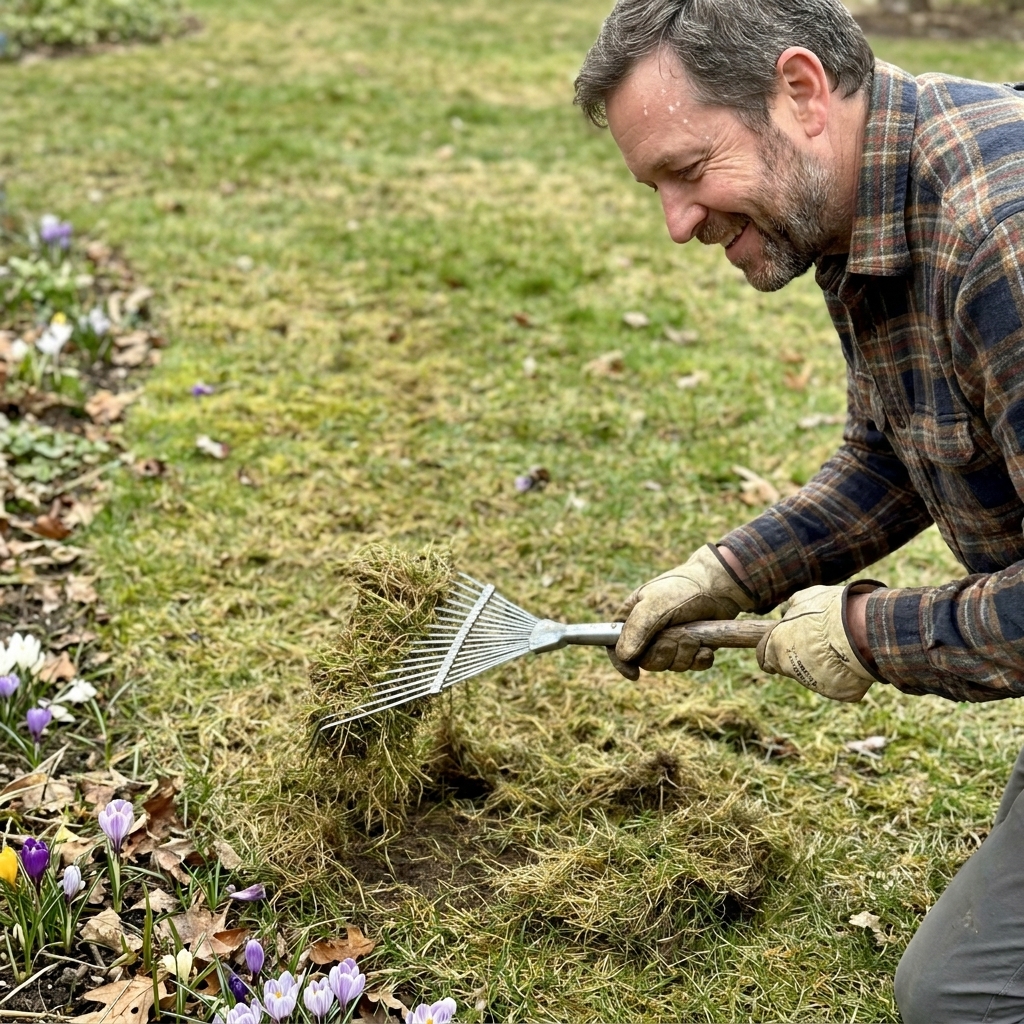
This step alone fixes a surprising amount of “damage.” Snow mold thrives in cool, wet, matted conditions. Your job is to open things up so sunlight and airflow can do their part.
What to do
- Use a leaf rake or a spring tine rake and gently rake affected patches to stand the grass up.
- Pull up loose, dead material but avoid gouging the soil.
- Bag or compost the debris. Do not leave clumps sitting on the lawn.
My neighbor-fence tip: Think “fluff and lift,” not “tear it up.” If you see lots of green crowns at the soil surface, back off and let the turf recover.
Step 2: Handle Snow Mold
Here is the part that surprises people: in most home lawns, snow mold usually does not require a fungicide in spring. By the time you see it, the disease cycle is typically winding down, and improving drying conditions is the main fix.
Types of snow mold (what you might see)
- Gray snow mold: Ashy-gray patches, often with matted grass. Usually cosmetic and the lawn grows out of it.
- Pink snow mold: Can look whitish at first, then pink or salmon tones may appear at the edges. This one can damage crowns more aggressively.
Best spring actions
- Rake and dry it out. This is the big one.
- Avoid routine irrigation. Early spring is not the time to keep the lawn wet. The exception is newly seeded areas, which do need consistent moisture.
- Hold off on big “rescue” doses of nitrogen. A normal spring feeding can be fine once the lawn is actively growing, but dumping heavy nitrogen on matted, diseased areas tends to create more problems than it solves.
- Mow when growth starts. Your first mow should be on the higher side, with a sharp blade. Bagging the first cut can help remove leftover debris in damaged areas.
When would I consider fungicide? If you have repeated, severe pink snow mold year after year, the more effective strategy is usually a late-fall preventative fungicide, not a spring rescue spray. For most homeowners, correcting fall fertilizing and reducing winter matting solves the problem.
When to get a second opinion: If you find slimy tissue, a foul odor, obvious crown rot, or damage that spreads fast beyond typical circular patches, it may not be snow mold alone. Your local extension office can help you confirm what is going on before you treat.
Step 3: Recover or Reseed?
After raking, give the lawn a little time. If temperatures warm and you start seeing green shoots from the crowns, you may only need basic care.
Signs it will bounce back
- Grass is still rooted and you see green at the base.
- Patches are thin but not bare soil.
- Damage is mostly matted, not missing turf.
Signs you should patch
- Bare spots larger than a dinner plate.
- Grass pulls up easily, leaving exposed soil.
- The area stays straw-brown while the rest of the lawn greens up.
Step 4: Patch Bare Spots
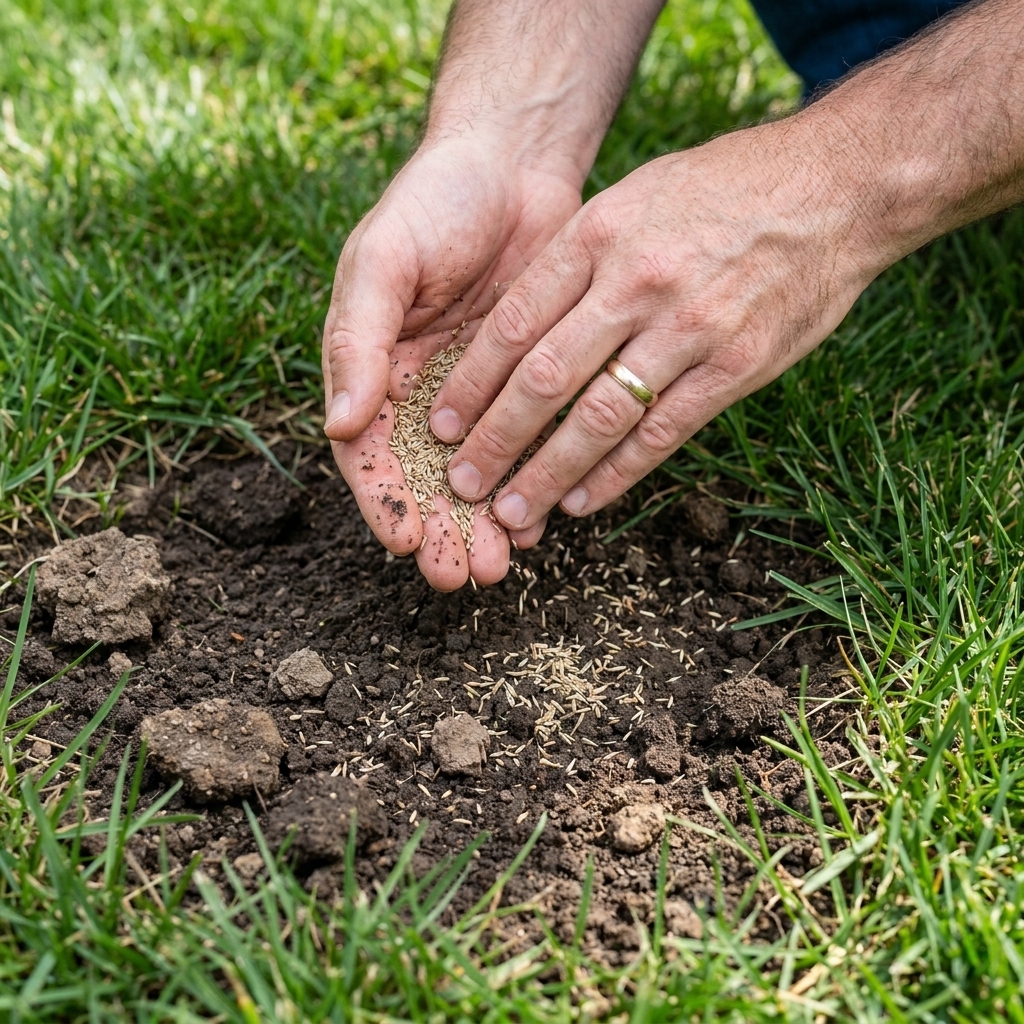
If winter left you with bald patches, you can absolutely fix them yourself. The key is seed-to-soil contact and consistent moisture for the first couple of weeks.
What you need
- Rake (hand rake is great for small spots)
- Grass seed that matches your lawn type (or a quality regional blend)
- A little compost or screened topsoil
- Optional: straw or a seed blanket for erosion control
How to patch, step by step
- Rake out dead stuff. Remove loose debris and scratch the soil surface lightly.
- Loosen the top 1/4 inch of soil. You want a receptive seedbed, not a hard crust.
- Spread seed. Apply a little heavier than normal overseeding rates since you are filling a void.
- Topdress lightly. Sprinkle 1/8 to 1/4 inch of compost or topsoil over the seed. Do not bury it deep.
- Tamp it in. Step on it gently or use the back of a rake so seed touches soil.
- Water lightly and often. Keep the top layer damp. Usually that means short watering 1 to 2 times per day at first, adjusting for rain and temperature.
Fertilizer: What Helps
After winter damage, it is tempting to “feed the problem away.” I get it. But spring fertilizer is most helpful when it matches what the grass can actually use.
A sensible spring approach
- If you are seeding: Use a starter fertilizer at label rates, or choose a product made for new seed. Avoid overdoing nitrogen.
- If you are not seeding: A light, balanced feeding once the lawn is actively growing is usually enough. Turf can take up nitrogen in cool soils, but you will get better results when growth has clearly resumed.
- Avoid heavy, late-spring “make it green now” applications on stressed areas. That quick surge often trades short-term color for weaker roots later.
Also important: If snow mold was bad, take a look at what you did last fall. The biggest risk is typically excessive nitrogen too late in the season, especially if it pushes lush growth right before long snow cover. A properly timed late-fall “winterizer” can be fine. The problem is forcing tender growth when the lawn should be hardening off.
Check Drainage and Compaction
Snow mold and winter kill love the same conditions: areas that stay wet and airless.
Easy checks
- Puddle test: After a spring rain, note where water sits longest. Those are your risk zones.
- Screwdriver test: Push a screwdriver into the soil. If it stops hard after an inch or two, compaction is likely.
What to do
- Aerate in spring only if the lawn is actively growing and you are not fighting heavy weeds. For many cool-season lawns, fall aeration is the best long-term play.
- Topdress low spots with compost or a soil mix in thin layers over time.
- Improve airflow by raking out matted areas and keeping spring mowing consistent.
Mowing After Winter
Mowing is one of the most underrated repair tools you have, as long as you do it at the right time.
- Wait until the lawn is growing and the ground is firm enough to support the mower.
- Use a sharp blade. Torn leaf tips slow recovery.
- Mow a little higher at first. For many bluegrass and fescue lawns, that means roughly 3 to 4 inches, adjusted for your grass type and conditions.
- Do not scalp damaged areas. Scalping is basically a stress test your lawn did not ask for.
Do Not Miss: Pre-Emergent vs Seeding
This is one of the easiest spring mistakes to make: many crabgrass preventers (pre-emergent herbicides) can also prevent grass seed from germinating.
- If you need to seed bare spots this spring, you will usually need to delay pre-emergent in those areas or use a product that is specifically labeled as compatible with seeding.
- If weeds are your main battle this year, you may choose to skip spring seeding and plan a stronger overseed in late summer or early fall, which is often the best window for cool-season lawns anyway.
Prevent Snow Mold Next Winter
Once you have lived through a spring full of gray circles, you will want to make sure it does not happen again. Prevention is mostly about fall habits.
Fall prevention checklist
- Keep mowing until growth stops. Avoid leaving grass tall going into snow season.
- Clean up leaves. Leaf mats create the same wet blanket effect as snow.
- Be careful with late-season nitrogen. Follow a sane fertilizing schedule rather than “one last big blast” at the wrong time.
- Reduce thatch over time. If your lawn has a thick spongy layer, core aeration and good soil biology help more than aggressive scraping for most homeowners.
- Limit snow piles on turf when possible, especially in the same spot every winter.
FAQ
Will snow mold kill my lawn?
Most of the time, no. Gray snow mold is often superficial, and the lawn grows out of it once you rake it up and conditions dry. Pink snow mold can be more damaging, especially to crowns, so watch those areas closely and be ready to reseed if they stay thin.
Should I apply a fungicide in spring?
Usually not. By spring, you are typically better off raking, improving airflow, and letting the turf recover. If you have repeated severe pink snow mold, talk to your local extension office about fall prevention options that fit your grass type and region.
How long until the patches disappear?
Light snow mold damage can look dramatically better in 2 to 3 weeks once growth resumes. Thin or dead areas that require seeding will take longer, often 4 to 8 weeks depending on grass type, temperatures, and watering consistency.
Can I overseed right after raking out snow mold?
Yes, as long as you can get seed to soil and keep it evenly moist. Just remember early spring swings between cold nights and warm afternoons can slow germination, especially for Kentucky bluegrass. If you seed too early and it sits, keep foot traffic low and be patient.
What if the damage is along the driveway or sidewalk?
That pattern often points to salt damage. If local watering rules allow and drainage is good, deep watering can help leach salts down and away from the root zone. Avoid sending salty runoff toward storm drains or waterways. If that edge gets hit hard every winter, consider a small buffer strip, a more salt-tolerant seed blend, or changing your de-icing approach. Gypsum is sometimes suggested, but it is most useful in specific soil conditions, so it is best guided by a soil test.
A Simple Spring Plan
If you want the quick version, here is what I would do this weekend:
- Day 1: Walk the lawn, rake out matted patches, and remove debris.
- Day 2: Patch truly bare spots with seed, light topdressing, and gentle watering.
- Next 2 weeks: Keep seeded areas evenly moist, avoid traffic, and mow only when the lawn is actively growing and the ground is firm.
- By late spring: Reassess thin areas, then decide if a broader overseed or a fall renovation plan makes sense.
Spring lawn repair is not about one magic product. It is about restoring airflow, getting new seed established where you need it, and letting the grass do what it is designed to do. One careful step at a time, you will be back to thick green turf before you know it.