Deep and infrequent watering builds stronger turf. Learn how long to run sprinklers, how to measure inches per hour, and how to adjust for soil, weather, sha...
lawn care
Grow Grass Under Large Trees in Deep Shade
 Mark Vance
 is a former professional landscaper and the lead turf enthusiast at Yard Mentor. With over 15 years of experience in soil health, turf management, and residential landscaping, he is dedicated to helping homeowners transform frustrating dead patches into lush, healthy lawns. When he isn't testing new grass seed blends, you can find him enjoying a Saturday morning coffee looking out over his freshly striped yard.
Updated October 17, 2026
Created October 17, 2026
Mark Vance
Mark Vance is a former professional landscaper and the lead turf enthusiast at Yard Mentor. With over 15 years of experience in soil health, turf management, and residential landscaping, he is dedicated to helping homeowners transform frustrating dead patches into lush, healthy lawns. When he isn't testing new grass seed blends, you can find him enjoying a Saturday morning coffee looking out over his freshly striped yard.
Updated October 17, 2026
Created October 17, 2026
If you have a bare, dusty circle under a big maple or oak, you are not alone. Those spots are the hardest “lawn” areas on the property because grass is fighting three things at once: low light, root competition, and dry soil. The good news is you can absolutely green up those areas, but you have to treat them like a specialty project, not like the rest of the yard.
Below is the exact approach I use when a homeowner tells me, “Nothing grows under this tree.” We will start by figuring out whether grass is realistic, then we will pick the right seed, improve the light and soil, and lock in a watering plan that keeps seedlings alive in shade.
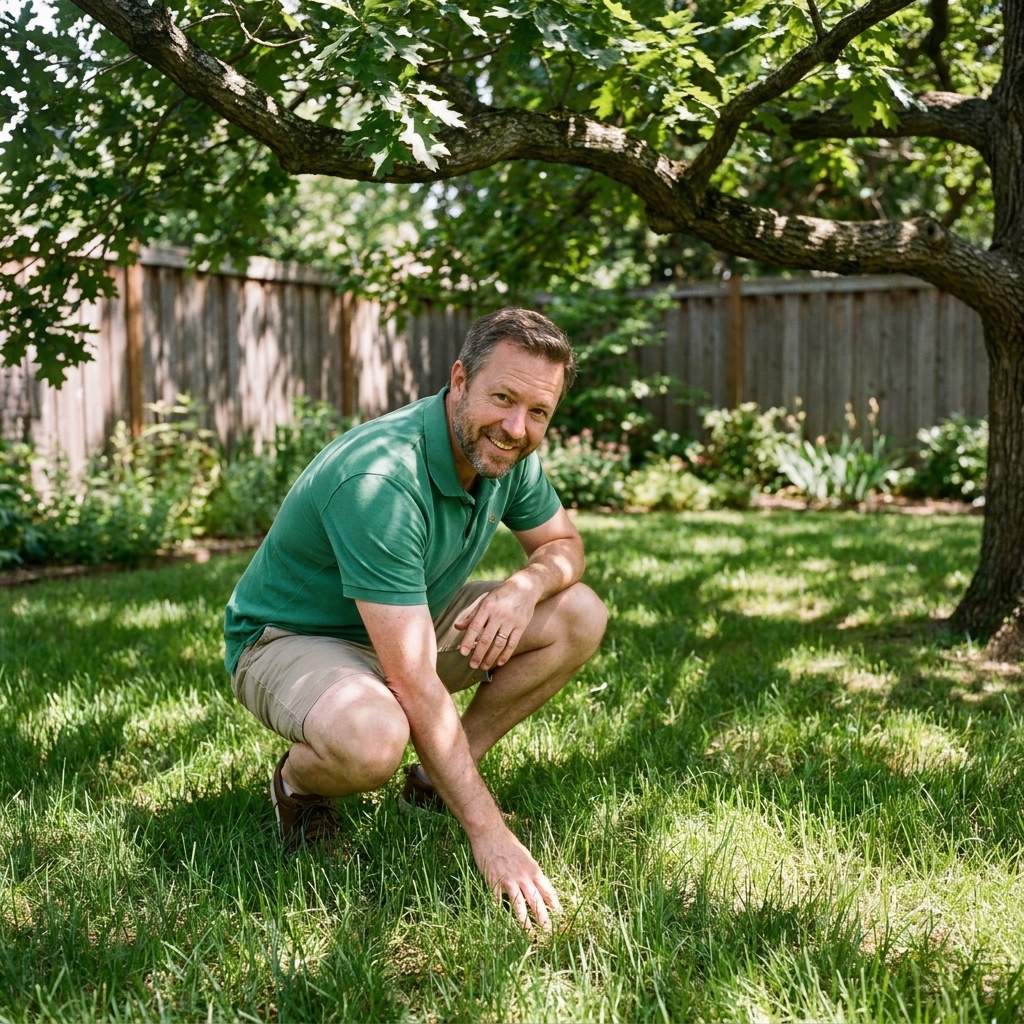
First, decide if grass is realistic there
Some tree shade is workable. Some shade is basically a cave. Before you buy seed, do this quick reality check.
Do the 4-hour light test
Grass needs light to stay healthy. As a practical rule, aim for about 4 or more hours of filtered light or some direct sun during the growing season. In a few situations, bright open shade all day can work, especially with fine fescues, but deep shade with a tight canopy is a much tougher bet.
- Good candidate: Morning sun, or bright filtered light most of the day, with a little direct sun sneaking in.
- Hard mode: Dense canopy plus a north-side exposure plus fences or buildings blocking sky.
- Probably not grass: Less than 3 hours of usable light during the growing season.
Look for tree tells that signal tough conditions
- Surface roots everywhere: You will struggle to keep seedbed moisture consistent.
- Bone-dry soil under the drip line: Trees intercept rain, and roots drink fast.
- Heavy leaf litter and moss: Often a sign the area stays dim and damp, or the soil is compacted. Moss can show up across a range of pH levels, so do not assume “moss = acidic.”
If your site fails the light test, skip down to the section on alternatives. Sometimes the most “pro” lawn move is admitting grass is the wrong plant for the job.
Pick the right grass seed for shade
Under trees, species choice matters more than brand names. You want grasses that handle low light and can tolerate some root competition.
Best cool-season choices (many northern and transition areas)
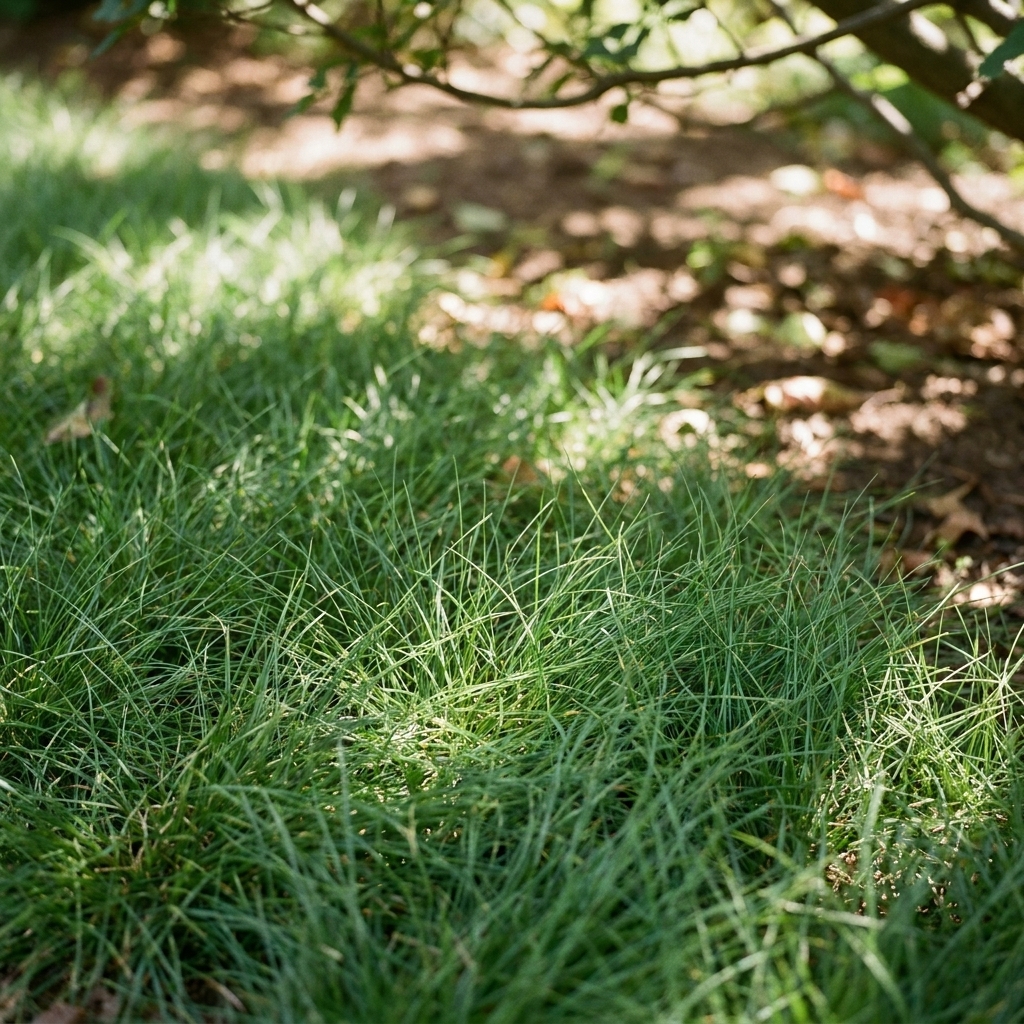
- Fine fescues (creeping red, chewings, hard fescue): The shade kings. They need less nitrogen, tolerate dry shade better, and stay greener with less sun than most turf types.
- Shade-tolerant turf-type tall fescue: Great if you can give it a little more light and you want deeper roots and better wear tolerance. In very deep shade it thins.
- Perennial ryegrass: Germinates fast (good for quick cover), but it is not a deep-shade champion on its own. I like it as a smaller percentage in a mix.
My go-to starting point for heavy shade: a blend that is mostly fine fescue with a smaller portion of turf-type tall fescue. If your yard sees kid or dog traffic, bump the tall fescue portion up a bit.
Warm-season lawns (much of the South)
- St. Augustine (sod or plugs): One of the better warm-season options for shade, but it still needs filtered light and struggles under extremely dense canopies. Cultivar matters.
- Zoysia (sod or plugs): Some varieties handle light shade, but establishment is slower and it still wants decent sun. Variety matters here too.
- Bermuda: Not a shade grass. It will fade out under trees.
If you have a warm-season lawn and the area is truly shaded, consider plugs or sod of a shade-tolerant cultivar rather than seed, since many warm-season grasses are not commonly established from seed with consistent results.
Quick transition zone note: If you are in the mid-Atlantic, lower Midwest, or similar “in-between” climates, you can often make cool-season shade mixes work under trees even if the sunny parts of the yard are warm-season or mixed. If summers routinely smoke your cool-season turf, you may be better off shifting the shaded area to mulch or shade plants instead of fighting it every year.
Improve the light without harming the tree
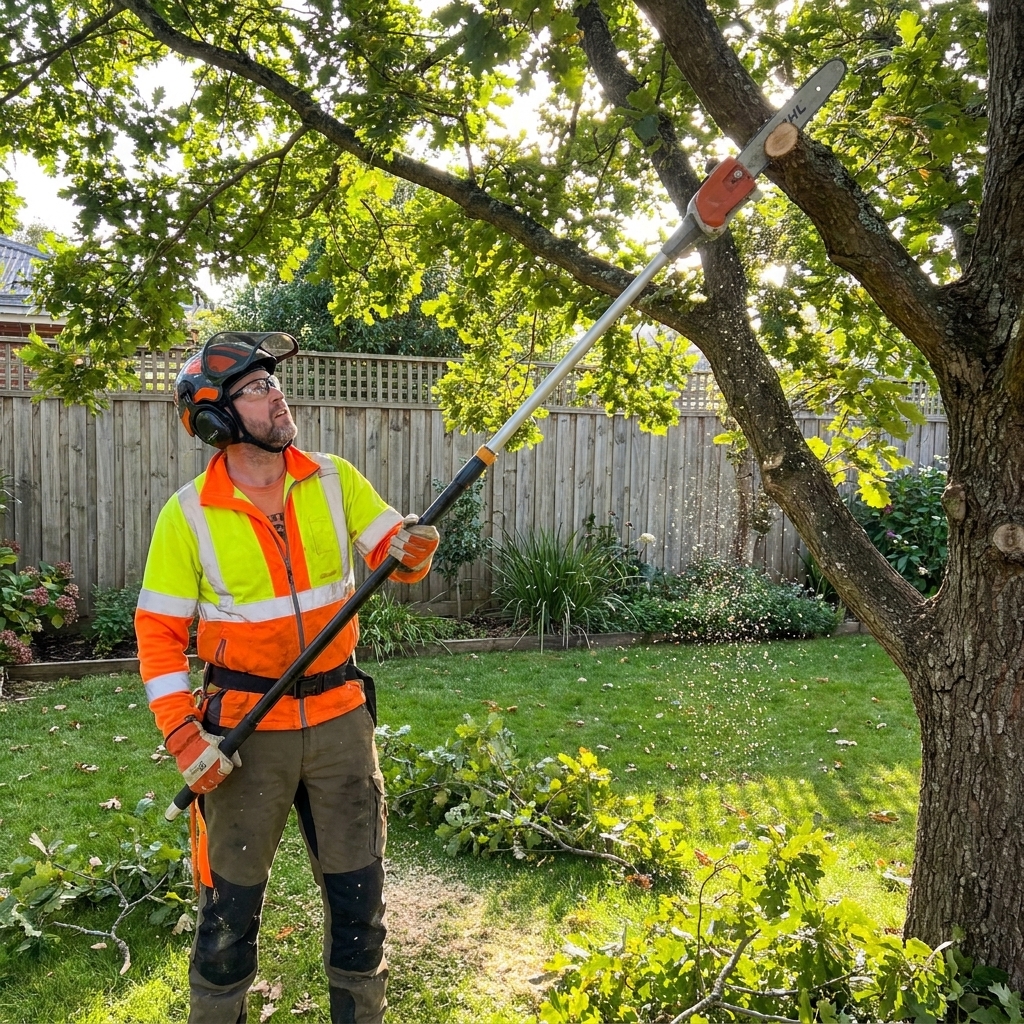
When grass fails under trees, light is usually the number one limiter. The fix is not hacking the tree back. The fix is selective pruning that lets in more sky and more morning sun.
Prune with a raise and thin strategy
- Raise the canopy: Remove a few lower limbs to let more light reach the ground and improve airflow. This often makes the biggest difference for turf.
- Thin the interior: Remove select smaller branches inside the canopy so light filters through, rather than hitting a solid wall of leaves.
- Avoid topping: Topping stresses trees and can create weak, hazardous regrowth.
If you are not comfortable pruning large limbs, hire an ISA Certified Arborist. I have watched too many lawns get “fixed” with a chainsaw only to end up with a stressed tree and the same bare spot.
Reduce shade from everything else too
Fences, sheds, and hedges can stack shade on top of shade. If you can open up a line of morning light, do it. Morning sun plus afternoon shade is the friendliest combination for grass under trees.
Fix the soil the right way
The most common mistake I see is dumping a thick layer of topsoil under a mature tree. That can suffocate feeder roots and make the tree unhappy. The goal is to create a seed-friendly surface while respecting the root zone.
Step 1: Loosen the surface gently
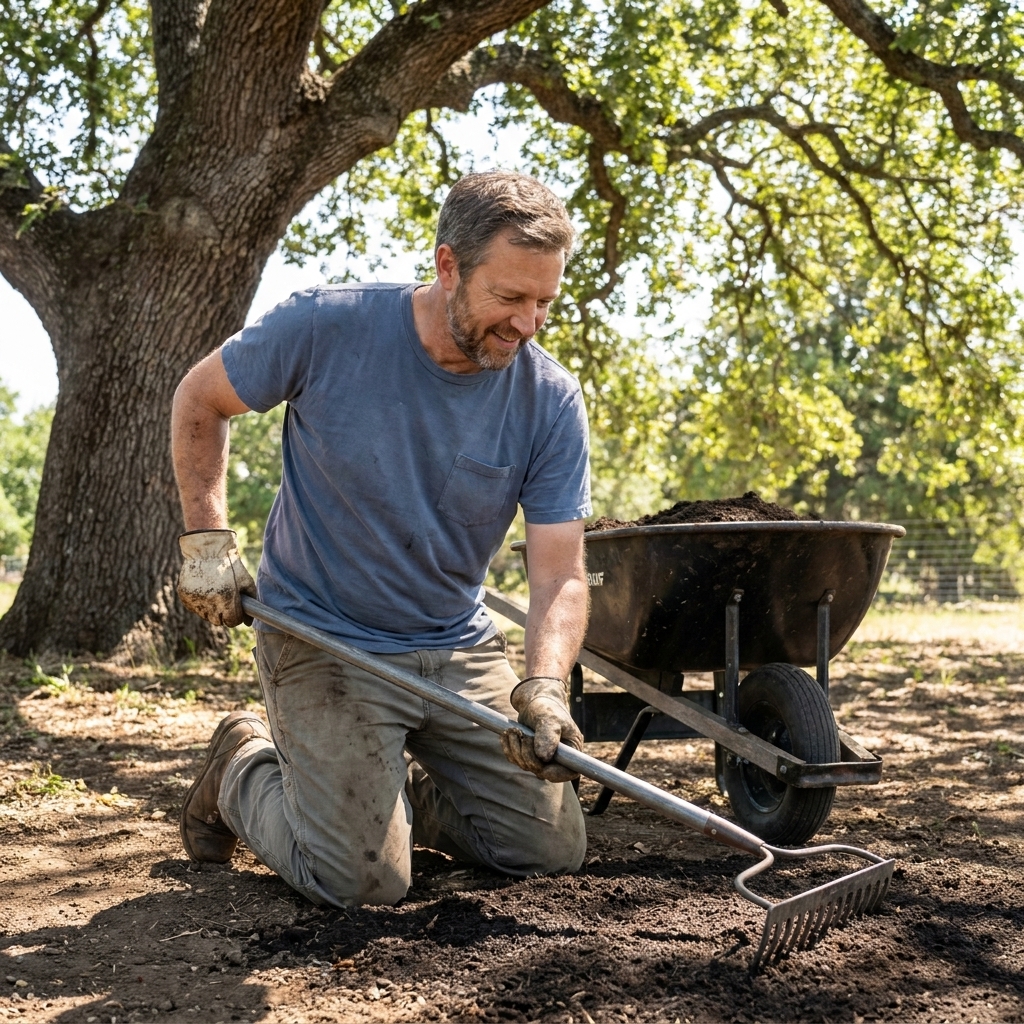
Rake out debris and scratch the top 1/4 to 1/2 inch of soil with a leaf rake or metal garden rake. If roots are exposed, work around them. Do not try to bury major roots.
Step 2: Add a thin topdressing, not a deep fill
Topdress with 1/4 to 1/2 inch of a compost-rich mix. Under trees, I like:
- Screened compost (for biology and moisture holding)
- Quality topsoil (for structure), if your native soil is very sandy
- Fine pine bark soil conditioner (optional) to improve texture without creating a heavy layer
Avoid piling soil up against the trunk. Keep the flare visible.
Step 3: Check pH if nothing ever seems to thrive
Shade areas under trees can trend acidic in some yards, but it varies by site and soil type. A basic soil test tells you if lime is needed. I am a big fan of testing because guessing with lime can backfire. Apply amendments based on results, not vibes.
Seed at the right time
Timing and seed-to-soil contact are where most shady lawn projects succeed or fail.
Best seeding windows
- Cool-season lawns: Early fall is best. Late summer into fall gives warm soil for germination and cooler air for growth. Spring is second best, but you will fight summer stress.
- Warm-season lawns: Late spring into early summer when soil is consistently warm.
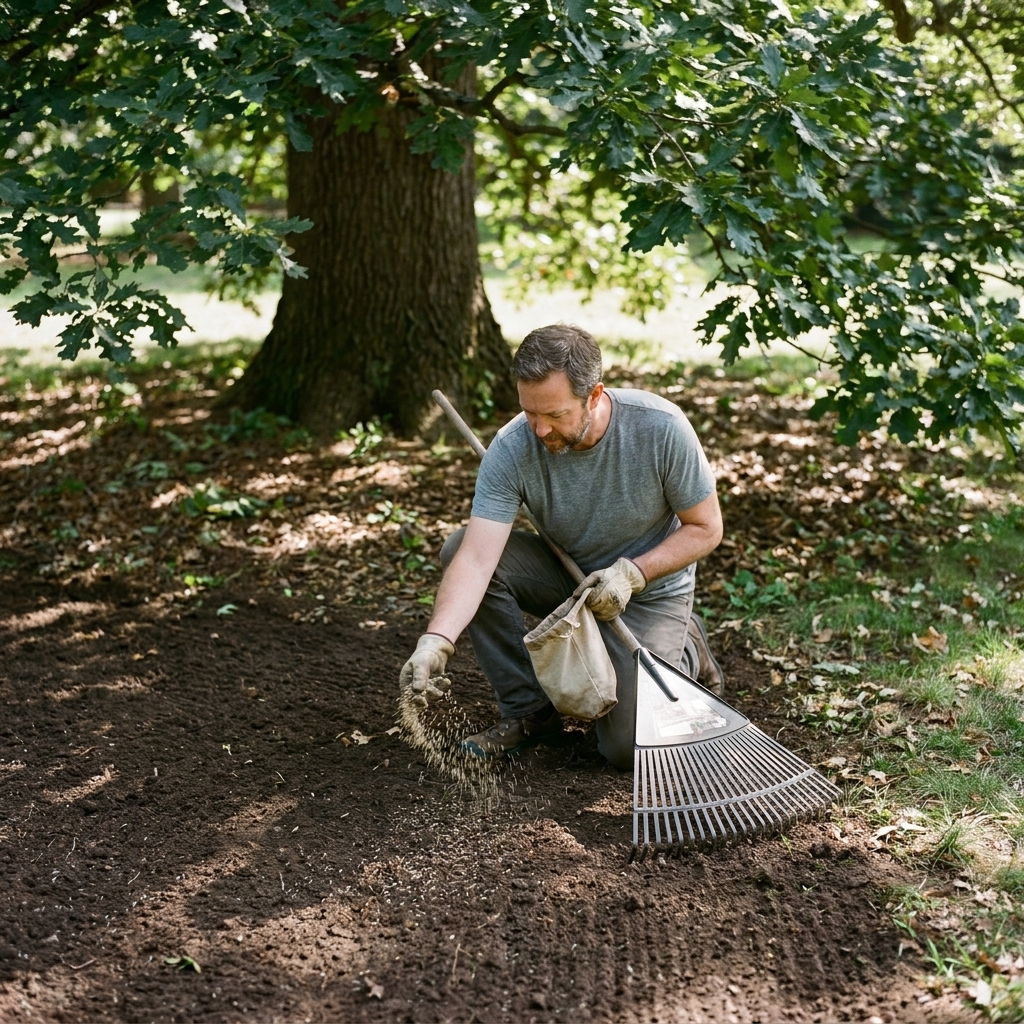
How to seed bare shade spots (my method)
- Rake and topdress as described above.
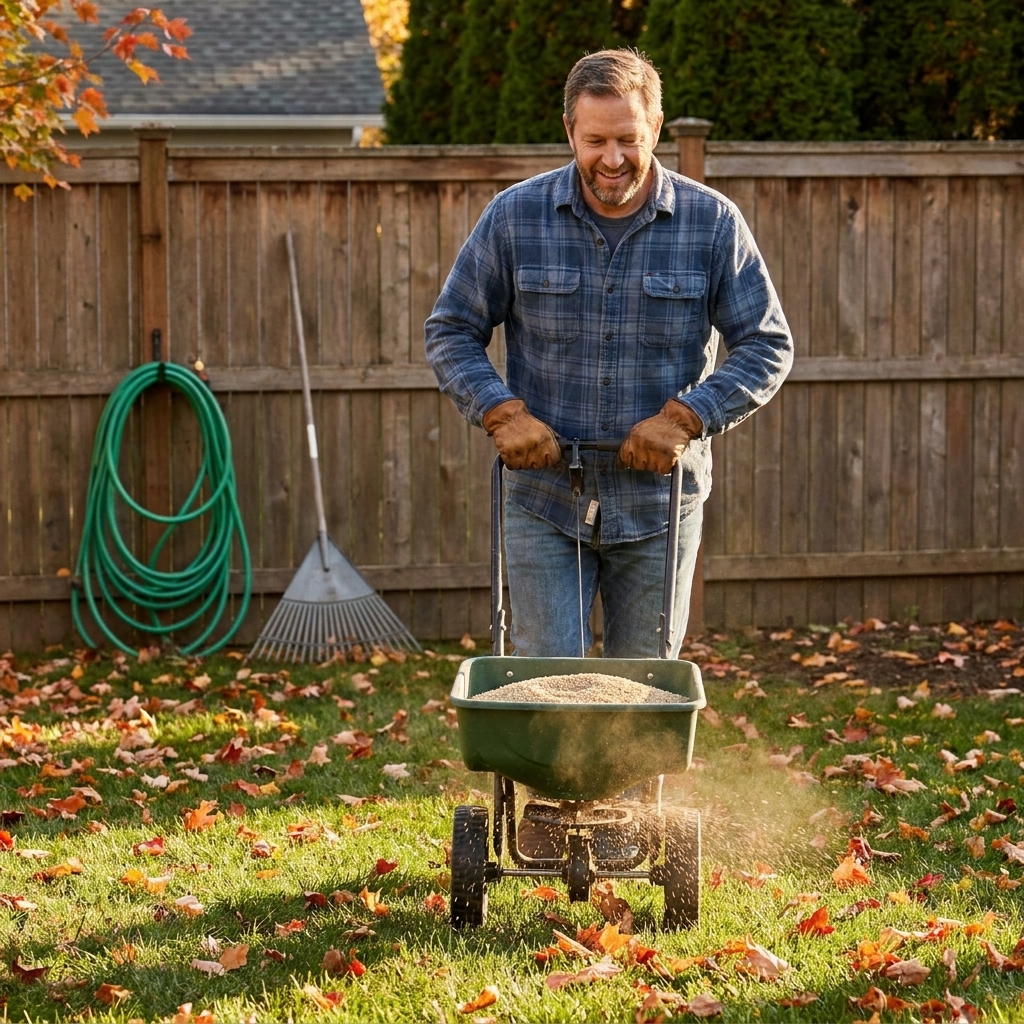
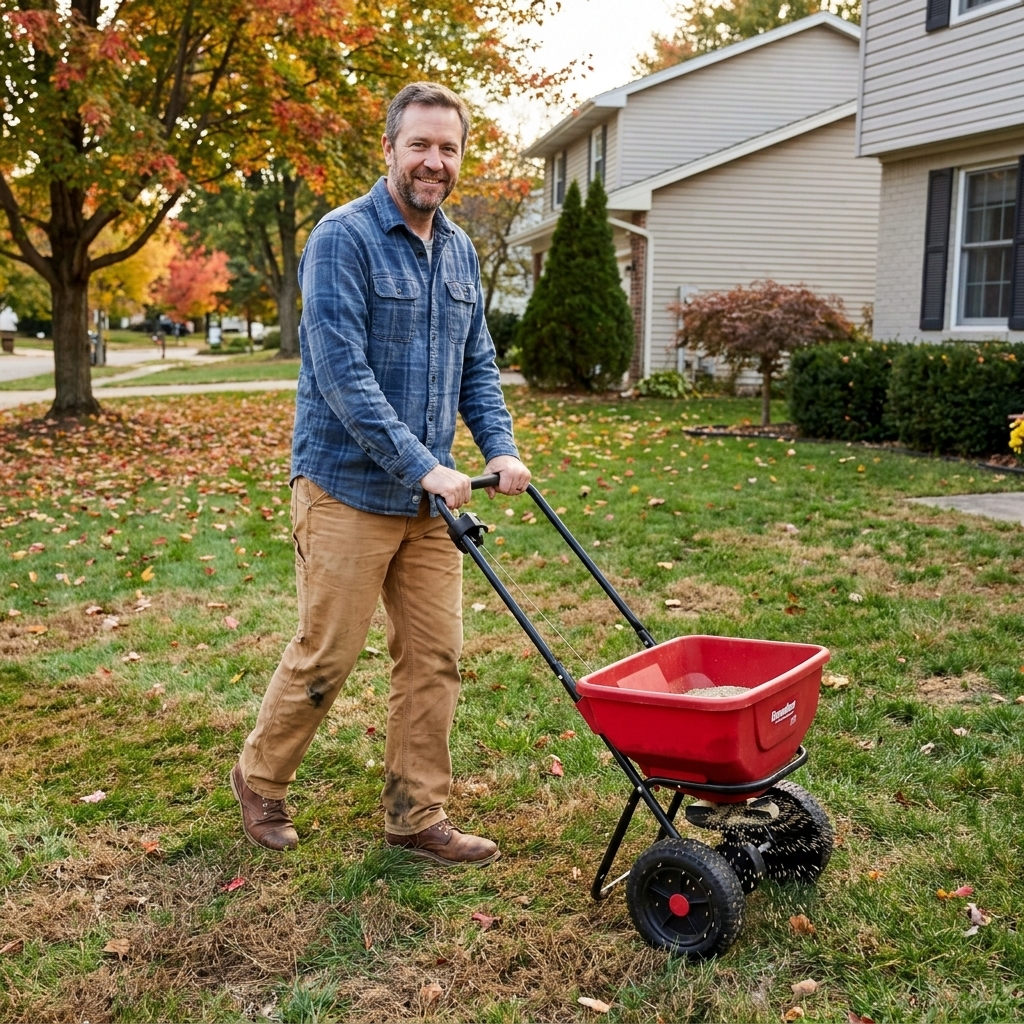
- Spread seed at the recommended rate on the bag, then add about 10 to 20 percent more for shade. Do not double it. Overcrowding creates weak, spindly seedlings and can increase disease and damping-off risk in shade.
- Rake lightly so seed is nestled into the top 1/8 inch of soil.
- Cover with a whisper-thin layer of compost or peat moss, just enough to reduce drying.
- Apply clean straw mulch lightly, or use a seed blanket on slopes. You want moisture protection, not a thick mat that blocks light.
Do you need starter fertilizer?
Often, yes. A starter fertilizer helps roots develop. Follow label rates. In deep shade, do not push heavy nitrogen. That encourages soft, weak growth that gets thin and disease-prone.
One common mistake: If you plan to seed, do not apply a pre-emergent herbicide in that area beforehand unless the product label explicitly allows seeding and you follow the timing. Pre-emergents are great for crabgrass control, but they can also stop your grass seed from establishing.
Watering makes or breaks it
Tree roots steal moisture fast, and the canopy blocks rainfall. That means your new seed can dry out even when the rest of the yard seems fine.
Seed watering schedule
- Days 1 to germination: 2 to 3 light waterings per day to keep the top 1/2 inch consistently damp.
- After germination (weeks 2 to 4): Reduce frequency, increase depth. Aim for once daily, then every other day as roots deepen.
- After establishment: Water less often but deeper. Under trees, you may still need an extra cycle compared to sunny lawn areas.
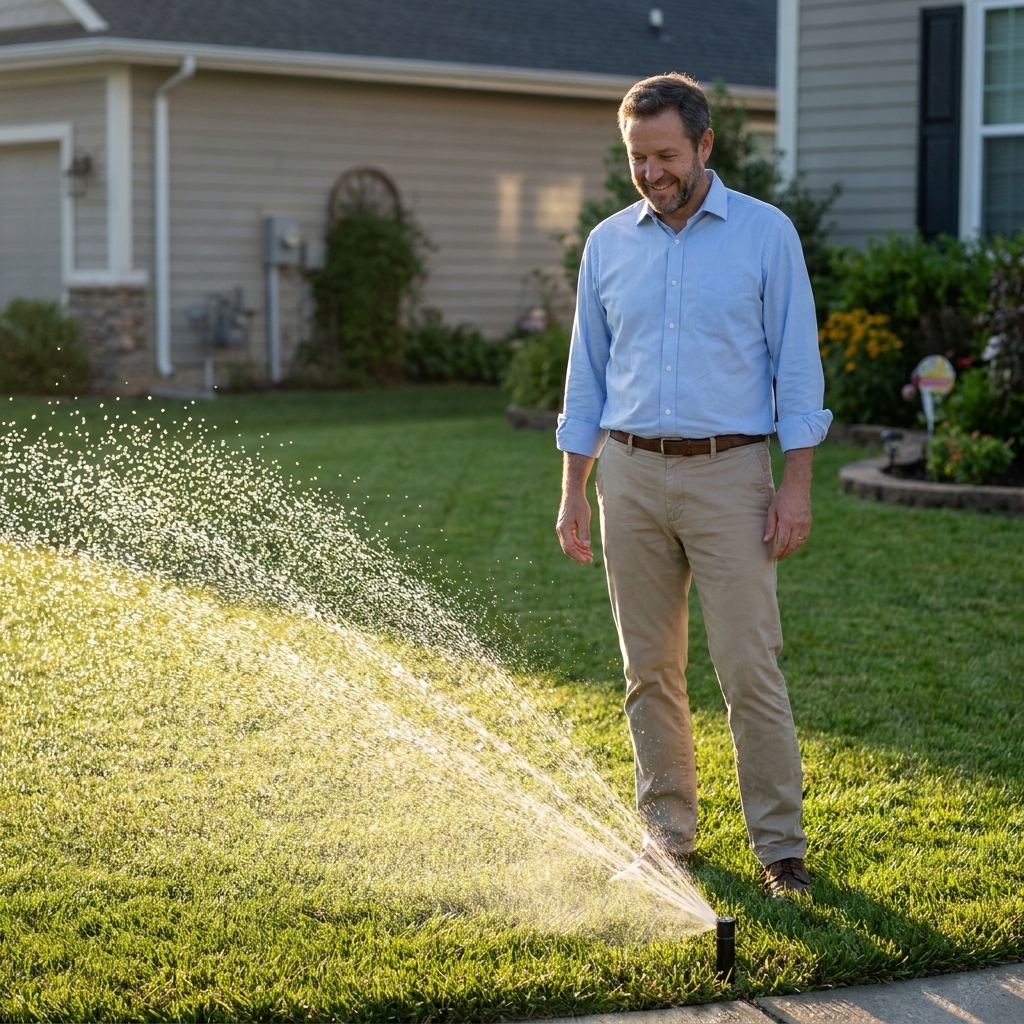
Tip from too many failed patches: Put a few empty tuna cans out under the tree during irrigation. If the sunny lawn gets 1/2 inch but the tree area gets 1/8 inch, adjust your sprinkler placement. Shade spots often get shorted.
Shade disease reality: A constantly damp, low-airflow zone is prime territory for fungal issues. If you can, water in the morning (not at night) and improve airflow with light canopy thinning and good mowing habits.
Mow and feed differently in shade
Shady turf needs a slightly different maintenance style than the rest of the lawn.
Mow higher
Set your mower one notch higher than usual. Taller blades capture more light, and that is free energy. For many cool-season lawns, that means roughly 3.5 to 4 inches in shade during peak growing season.
Fertilize lighter and slower
In shade, too much nitrogen can create lush top growth with weak roots. Use less total nitrogen per season in the shaded zone than you use in full sun. Slow-release products are your friend.
Keep leaves from matting
In fall, do not let leaves sit under the canopy. A leaf layer blocks what little light your grass gets and can smother new seedlings. Mulch-mow frequently or blow leaves out before they pile up.
Manage traffic early
Even shade-tolerant turf will lose the fight if the area is also your dog run or the shortcut to the gate. Under trees, grass is already growing on a smaller energy budget, so foot traffic hurts more.
- Redirect wear: Move the path people naturally take, even a few feet, to spread traffic out.
- Add stepping stones: If traffic is unavoidable, make it official and protect the grass.
- Set expectations: If kids and dogs are tearing through that spot daily, a mulched bed or hardscape feature may be the best “lawn” solution.
Why grass fails under trees
It sprouts, then disappears
- Likely cause: Drying out between waterings or the tree is taking most of the moisture.
- Fix: Increase watering frequency early on, use a thin mulch layer, and consider wetting the area before seeding so the soil profile starts hydrated.
It grows thin and leggy
- Likely cause: Not enough light, mowing too short, or too much nitrogen.
- Fix: Raise mowing height, reduce nitrogen, thin the canopy for more filtered light.
Seed washes away
- Likely cause: Slope, runoff, or heavy downpours.
- Fix: Use a seed blanket, tackifier, or very light straw cover, and avoid seeding right before forecasted storms.
Moss takes over
- Likely cause: Constant shade, compaction, and lingering moisture.
- Fix: Address drainage and compaction, increase light if possible, test pH if growth is consistently poor, and accept that in very deep shade moss may be telling you grass is not the best groundcover there.
Better alternatives than grass
I love a thick lawn as much as anyone, but under some trees, turf is a yearly disappointment. If you have tried shade seed, improved the soil, and still cannot keep it alive, it is time to pivot.
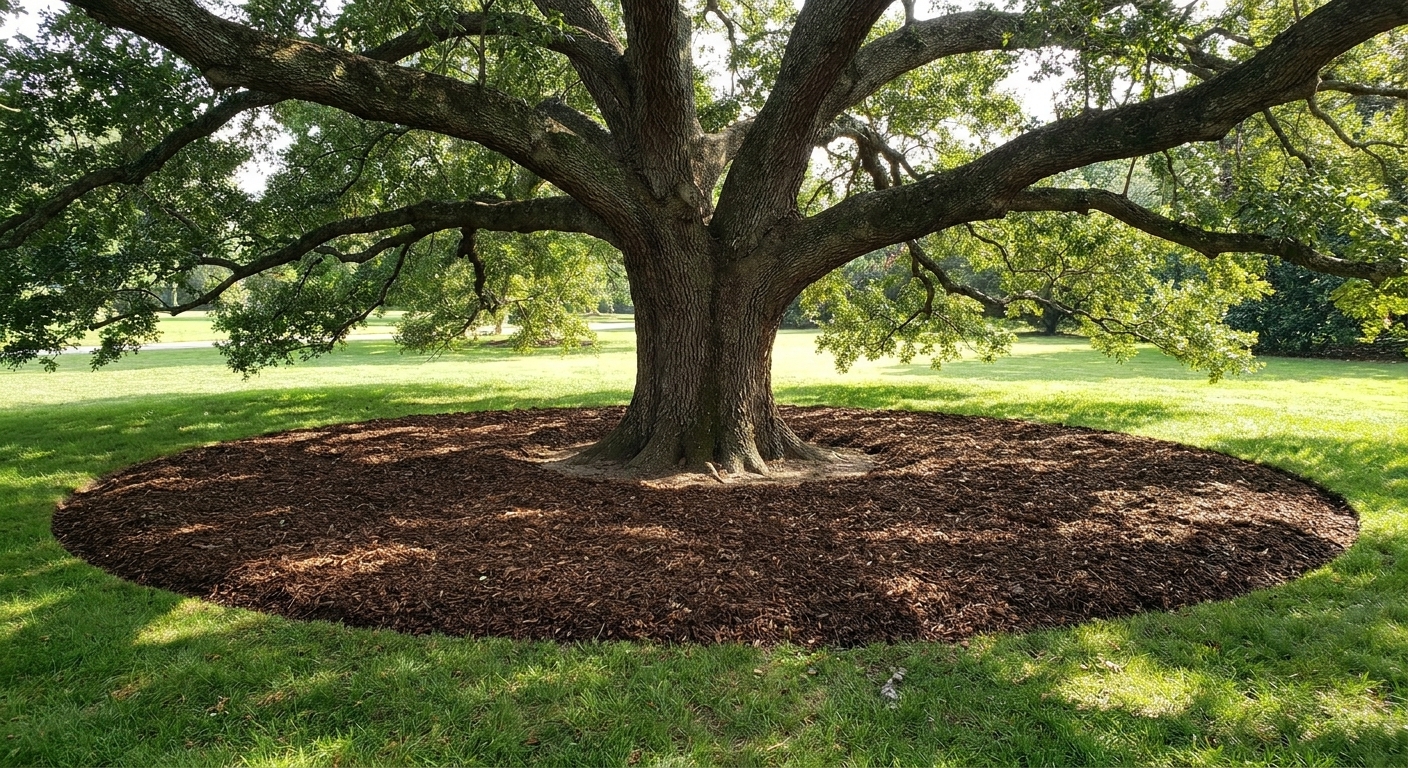
Mulch ring
Expand a mulch bed under the tree and edge it crisply. Keep mulch 2 to 3 inches deep, and keep it pulled back from the trunk flare. This reduces mowing stress and protects surface roots.
Shade groundcovers
Depending on your region, options like hostas, ferns, pachysandra, or native sedges can look great and require less sun than turf. Just make sure the plant is appropriate for your climate and not invasive where you live.
Hardscape
A simple stepping-stone path through the shaded area saves turf from foot traffic and turns a problem zone into a feature.
Quick checklist
- Confirm you get about 4 or more hours of usable filtered light, or rethink grass.
- Choose a seed mix led by fine fescues for deeper shade.
- Raise and thin the canopy, do not top the tree.
- Topdress lightly with compost, do not bury major roots.
- Seed in early fall (cool-season) or late spring (warm-season).
- Keep the seedbed evenly moist until established.
- Water in the morning when possible and improve airflow to reduce disease pressure.
- Mow higher and fertilize lighter in shade.
- Protect the area from concentrated foot and pet traffic.
If you want the fastest win, focus on two things first: more light and more consistent moisture. Shade seed helps, but it cannot outrun darkness and drought.
FAQ
Will grass grow under pine trees?
Sometimes, but it is tougher. The bigger issue is usually needles creating a dry surface layer and blocking light, plus strong root competition. Pine litter can contribute to a more acidic surface layer in some sites, but the effect varies and is not something I would guess at. Rake needles regularly, topdress with compost, test pH if growth stays poor, and lean heavily on fine fescues in your seed blend.
Can I just lay sod under a tree?
You can, and it can look great for a few months. If the site does not meet the light and moisture needs, sod often declines just like seed does. Fix light and irrigation first, then sod becomes a much safer bet.
Should I aerate under trees?
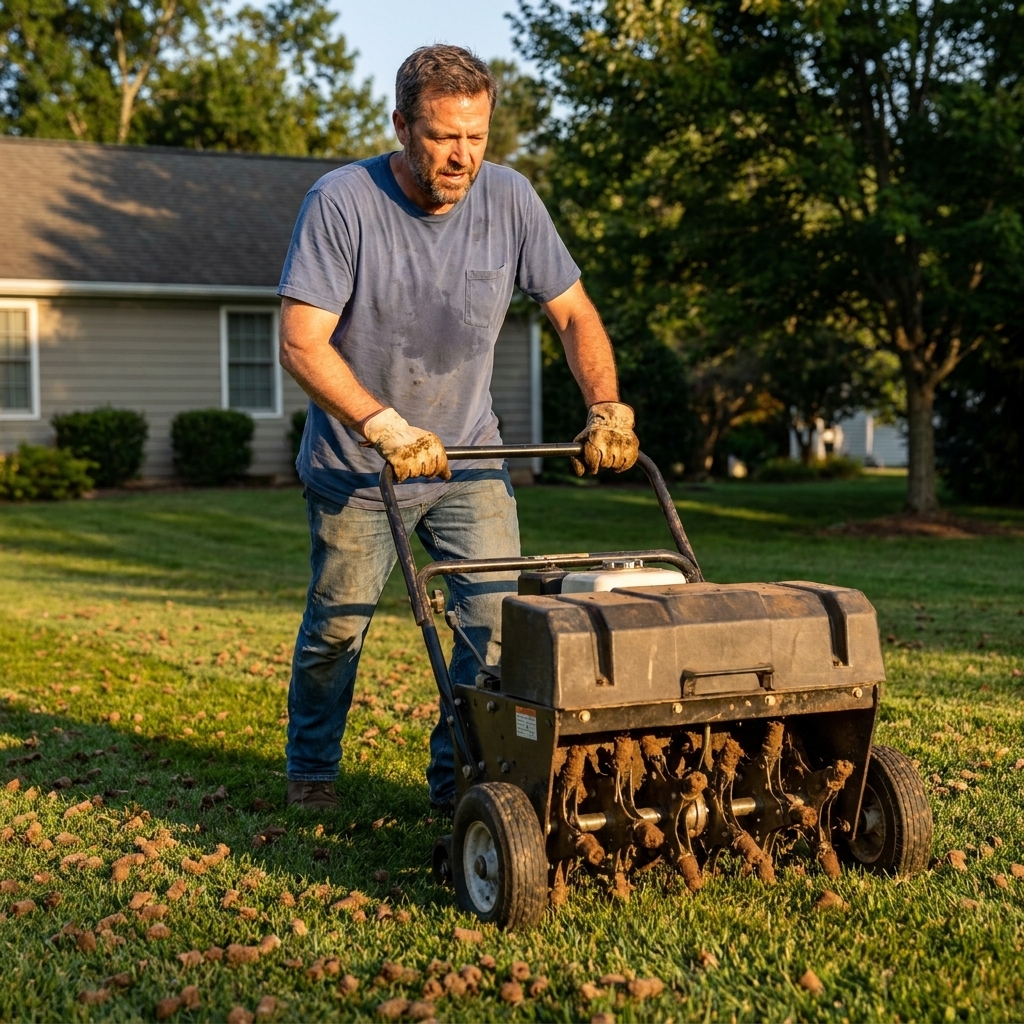
Core aeration can help compaction, but be cautious around surface roots. In heavy root zones, I prefer gentle raking plus thin compost topdressing, and I aerate only where I can do it without chewing up major roots.
How far from the trunk should I try to grow grass?
The closer you are to the trunk, the more root competition and shade you get. Many homeowners have better success starting grass near the outer drip line and transitioning to mulch closer in.