A step-by-step lawn soil testing guide: sampling tips, DIY kits vs lab tests, where to test, and how to read pH and nutrient results to fix thin turf and bar...
lawn care
Humic and Fulvic Acids for Lawns
 Mark Vance
 is a former professional landscaper and the lead turf enthusiast at Yard Mentor. With over 15 years of experience in soil health, turf management, and residential landscaping, he is dedicated to helping homeowners transform frustrating dead patches into lush, healthy lawns. When he isn't testing new grass seed blends, you can find him enjoying a Saturday morning coffee looking out over his freshly striped yard.
Updated October 17, 2026
Created October 17, 2026
Mark Vance
Mark Vance is a former professional landscaper and the lead turf enthusiast at Yard Mentor. With over 15 years of experience in soil health, turf management, and residential landscaping, he is dedicated to helping homeowners transform frustrating dead patches into lush, healthy lawns. When he isn't testing new grass seed blends, you can find him enjoying a Saturday morning coffee looking out over his freshly striped yard.
Updated October 17, 2026
Created October 17, 2026
If you have ever stood over a stubborn yellow patch and thought, “I fertilized… so why does my lawn still look tired?” you are not alone. That gap between what you apply and what the grass can actually use is where humic and fulvic acids can help.
They are often called “bio-stimulants,” but I like to think of them as soil helpers. They do not replace fertilizer, water, or mowing habits. What they can do is support healthier soil conditions so roots can do their job and your fertilizer dollars go further.
What humic and fulvic acids are
Humic substances are natural compounds formed as plant and animal material breaks down over a long time. In lawn products, they commonly come from leonardite or other organic deposits and are refined into usable forms.
Humic acid
Humic acid is the larger, heavier fraction. In practical lawn terms, humic products tend to focus on soil structure support and nutrient holding. They can help sandy soil hold onto nutrients and water a bit better, and they can help tight soils behave a little less like concrete over time, especially when paired with aeration, organic matter, and patience.
Fulvic acid
Fulvic acid is the smaller, more reactive fraction. It stays soluble across a wider pH range, and it is often used to chelate nutrients, meaning it can help keep certain nutrients in a more plant-available form. Many homeowners use fulvic alongside liquid fertilizers or micronutrients as a compatibility and delivery aid, but any “fast pop” you see usually comes from the nutrients, not the fulvic itself.
Do you need both?
Not always. Many lawn products contain a blend because the benefits overlap. If you are choosing one, humic is usually the steady, soil-focused workhorse, while fulvic is the “nutrient assistant” most often used with liquids.
What they can do for your lawn
Here is where the hype gets mixed with truth. Humic and fulvic acids are not magic. But used correctly, they can support a few areas that matter to homeowners, with results that vary based on soil type, pH, organic matter levels, and your overall lawn care habits.
1) Support nutrient efficiency
In real lawns, nutrients get tied up all the time. High pH can lock up iron and manganese. Low organic matter soils do a poor job holding onto nitrogen and potassium. Humic substances can:
- Modestly improve nutrient-holding capacity in the root zone, especially in low organic matter sandy soils that leach nutrients easily
- Help reduce nutrient tie-up in certain cases by complexing with nutrients and keeping them more available (iron in higher pH soils is a common example, but results depend on the iron source, soil carbonates, and application method)
- May support microbial activity indirectly by improving the root-zone environment and nutrient cycling conditions, with effects that vary a lot by moisture, temperature, and soil organic matter
2) Support rooting
Healthier soil conditions generally mean better roots. When roots go deeper, your lawn is less likely to burn out in summer and it rebounds faster after stress. With humic and fulvic products, the biggest gains tend to show up in struggling soils or when you use them alongside good fundamentals like proper mowing height, deep watering, and aeration.
You might notice the most improvement in sand, low organic matter soil, or compacted areas, and even then results vary. Potential changes homeowners report include:
- Better drought tolerance
- Improved color consistency
- Less “thin and wispy” growth in high traffic zones
3) Help soil handle water
Humic substances can support aggregation, which is a fancy way of saying soil particles clump into a better structure. That can help water move into the soil instead of running off. In most yards, noticeable changes in infiltration come from time and the big levers: reducing compaction, repeated organic inputs (like compost), and improving soil biology. Think of humic as a support tool, not a solo fix.

Worth it or not?
If your lawn is already thriving with decent soil, irrigation, and a sensible fertilizer plan, humic and fulvic acids may be a “nice to have,” not a must. Where I see the best payback is in these situations:
- Sandy soils that struggle to hold nutrients and dry out quickly (often leaching potassium fast)
- Compacted soils where roots stay shallow and water puddles or runs off
- New construction lawns with poor topsoil, subsoil exposure, or low organic matter
- High pH lawns that chronically look pale even with fertilizer, often due to micronutrient lockout (iron chlorosis is a classic look)
- Heavy feeding programs where you want better efficiency and less waste
If you are battling major shade, drainage problems, or mowing too short, fix those first. Humic and fulvic acids cannot outwork bad sun or a scalped lawn.
When to skip them
I am a big believer in spending money where it moves the needle. Consider skipping humic and fulvic for now if:
- Your lawn is thin because of low sunlight and the grass type is not shade-tolerant
- You have bare soil and weeds and really need overseeding and better mowing habits
- You are not fertilizing at all or are severely under-watering in summer
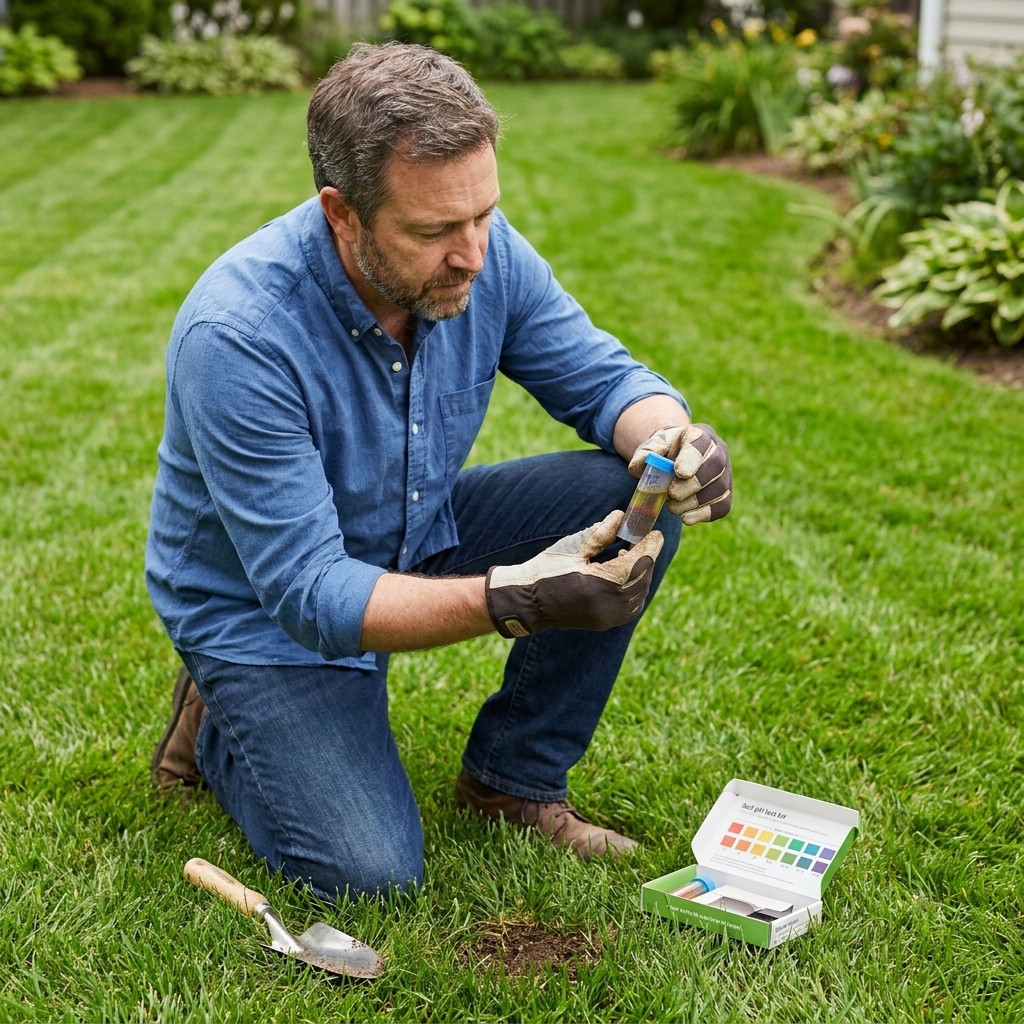
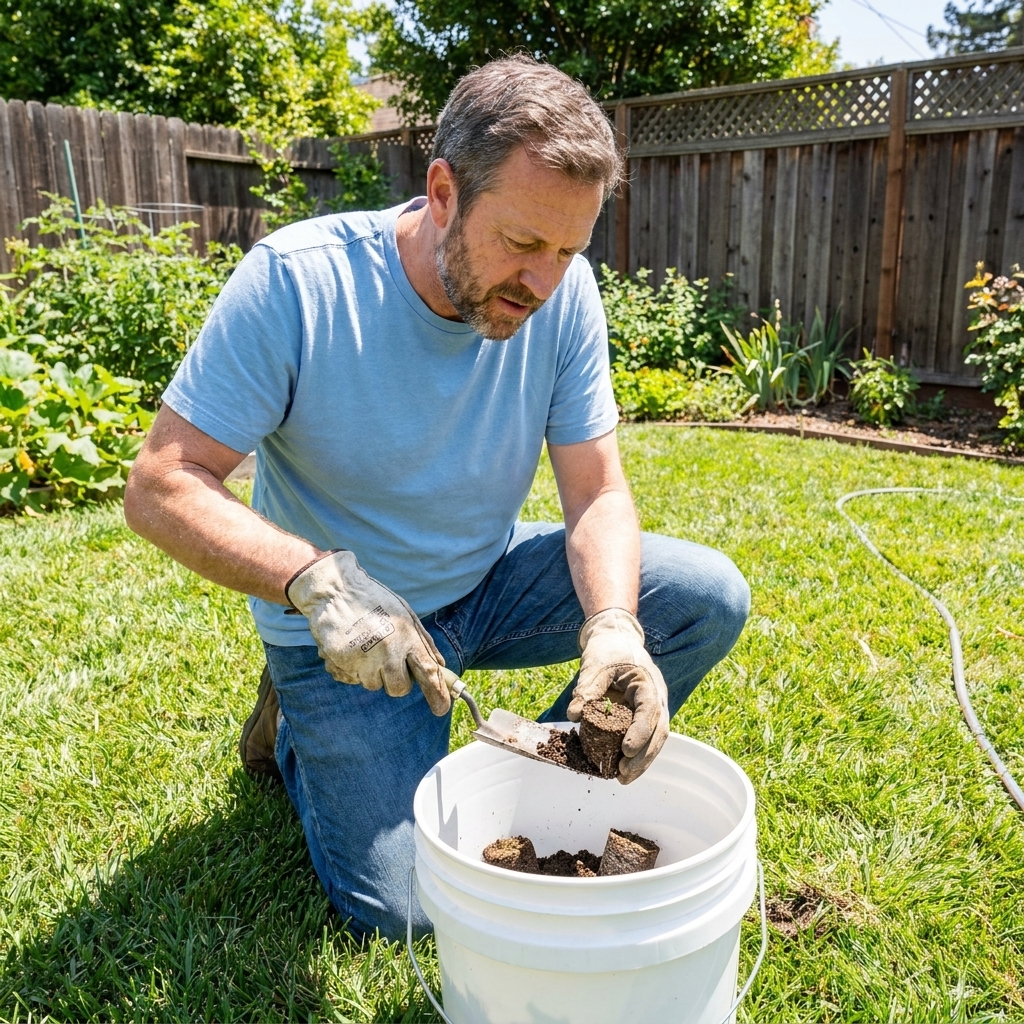
- You have not done a basic soil test and you are guessing at deficiencies
In those cases, a soil test, aeration, compost topdressing, and a solid overseeding plan usually provide a bigger and faster return.
Diagnose yellowing first
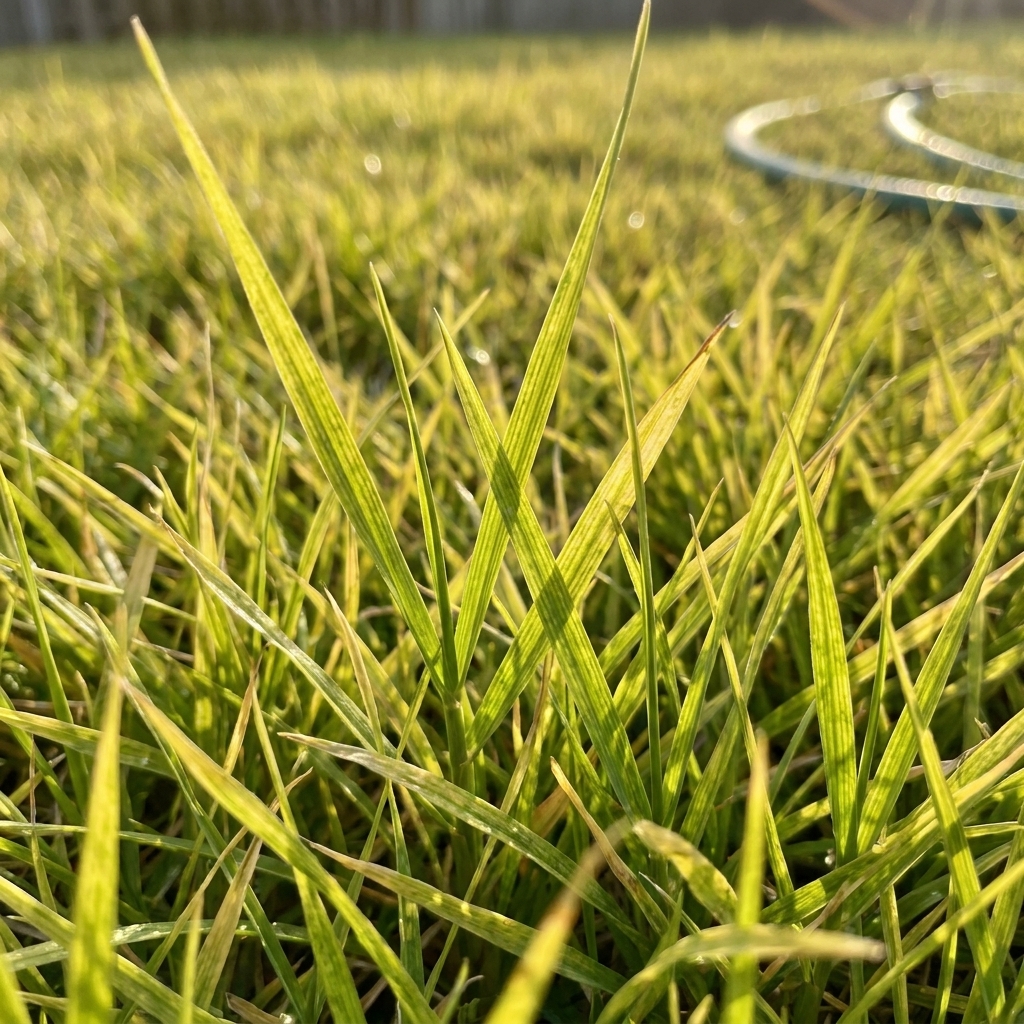
Before you buy another bottle, make sure you are solving the right problem. “Yellow lawn” is not one issue.
- Nitrogen deficiency: overall pale green, slow growth. Fertilizer helps.
- Iron chlorosis (often high pH): yellowing with greener veins or a washed-out look even when you are fertilizing. Iron can help, and fulvic is sometimes used alongside it.
- Disease: irregular patches, thinning, lesions, or a greasy look in morning dew. Humic is not a cure.
- Pet urine: small dead spots with a darker green ring.
- Compaction or shallow watering: weak roots and stress symptoms that show up fast in heat.
If you are not sure, start with a soil test and a close look at the pattern of damage. The right fix is cheaper than the wrong product.
How to apply
Most homeowners get tripped up by product forms and timing. Here is the simple approach that works in the real world.
Choose a form
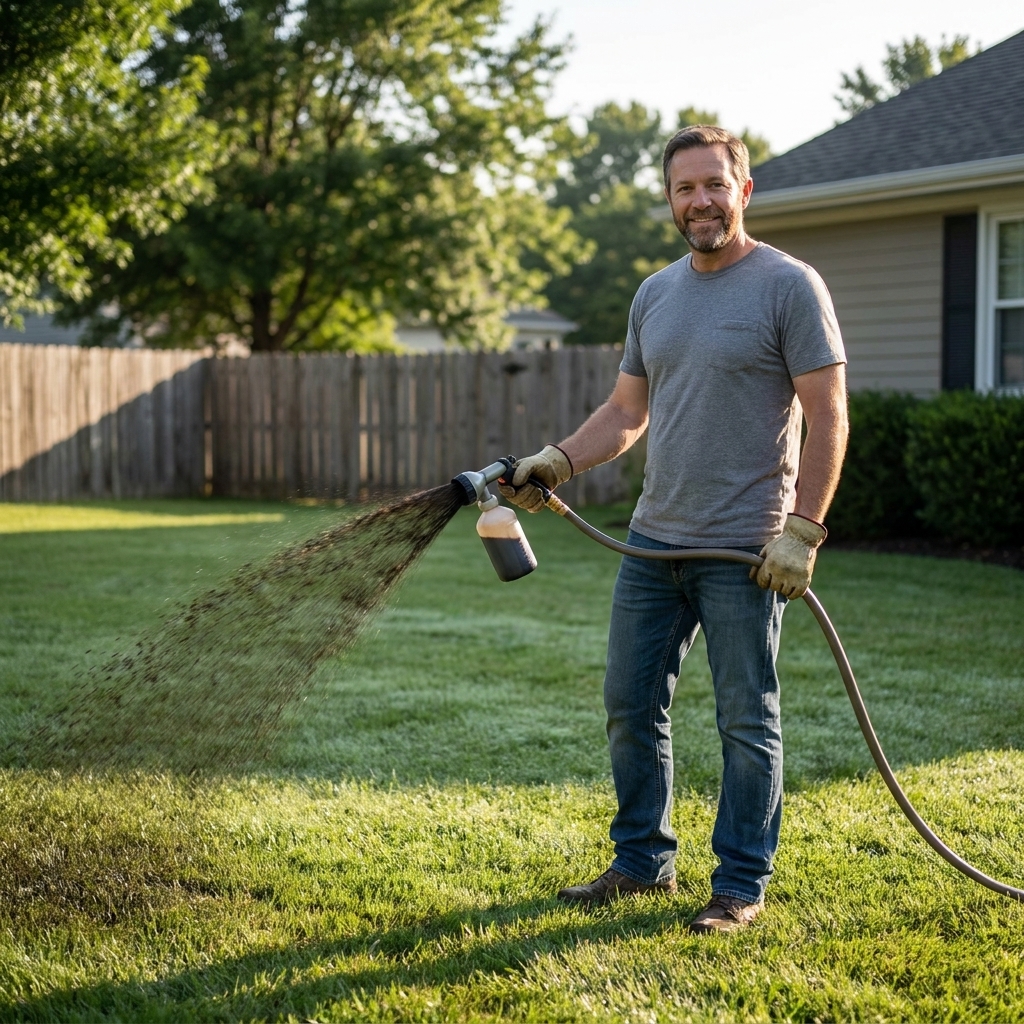
- Liquid: Fast and easy to pair with other sprays. Great if you already apply liquid fertilizer, iron, or biostimulants. You can spray and water in lightly.
- Granular: Convenient if you prefer a spreader. Slower to move down into the soil profile, so watering after application matters.
If your goal is root-zone improvement, the product needs to move off the leaf and into the soil. In both forms, plan on watering it in after application unless the label says otherwise.
Timing that makes sense
I like humic and fulvic applications during active growth, when roots are working:
- Cool-season lawns (Kentucky bluegrass, fescue, rye): spring and fall are prime, with lighter summer applications if you are not heat-stressing the turf
- Warm-season lawns (bermuda, zoysia, centipede, St. Augustine): late spring through summer when the lawn is fully growing
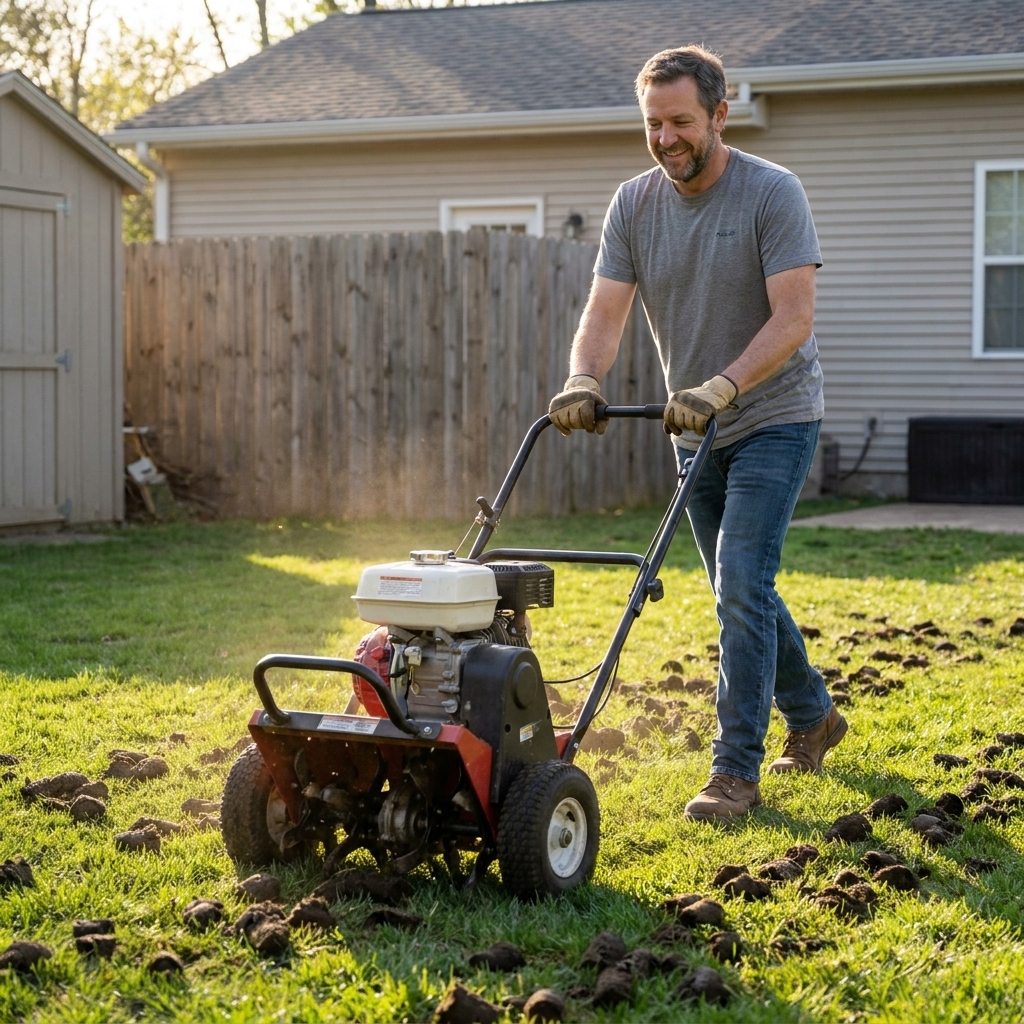
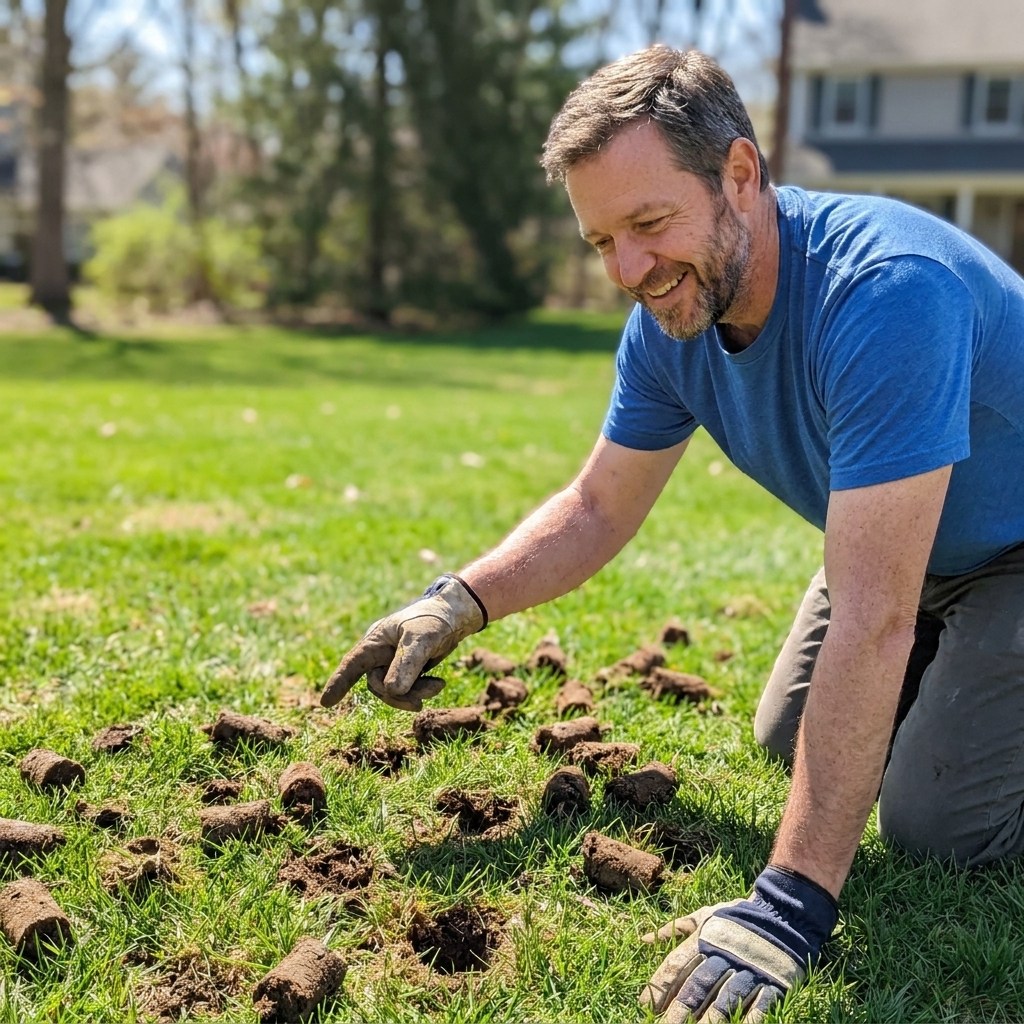
Right after core aeration is also a smart window because you have open channels into the root zone.
How often?
For most lawns, monthly during the main growing season is a reasonable cadence if your budget allows. If you want a simpler plan, do 3 to 4 applications per year and put them at the times you already fertilize.
Always read the label for rates. Humic products vary widely in concentration, and “more” is not automatically “better.”
Picking a good product
Labels can be confusing because you might see humic acid, humates, or potassium humate, and the percentages can be all over the map.
- Check the analysis: look for actual humic and fulvic content, not just buzzwords.
- Know the source: leonardite-based products are common and widely used.
- Do not over-trust the percent: “% humic” is not always apples-to-apples across brands because extraction methods and testing can differ. Use the number as a clue, not a promise.
- Understand what it is not: humic products are not the same as adding organic matter. Compost and topdressing change the soil more predictably.
If two products cost the same but one discloses content clearly and the other does not, I know which one I trust.
Mixing with fertilizer or weed control
Often, yes, but you need to be smart about it.
With fertilizer
Humic and fulvic acids pair well with fertilizer because they can support nutrient retention and availability. Many homeowners tank-mix fulvic with liquid fertilizer and micronutrients, or apply humic alongside granular fertilizer and then water it in.
With herbicides
This is where I get cautious. Some labels allow mixing, some do not, and some combinations can reduce herbicide performance. If you are applying a post-emergent weed killer, I recommend following the herbicide label first. If the label does not clearly allow tank mixing, do separate applications a few days apart.
With iron
Fulvic acid is commonly paired with iron to help keep it available, especially in higher pH lawns. If your yard chronically looks a little yellow-green, this combo can be helpful, but it is still worth confirming pH with a soil test.
Results and timeline
This is the part I wish every bottle explained in plain English.
- Short term (1 to 3 weeks): Sometimes you will see improved color or vigor if you applied alongside nutrients that were previously tied up. Often the visible change is from the nutrients, with humic and fulvic playing a supporting role.
- Mid term (1 to 3 months): Better stress tolerance and improved response to your normal fertilization, especially in sandy or compacted soils.
- Long term (one full season and beyond): Potential improvements in root mass and soil behavior, most noticeable when you pair humic with aeration, proper mowing height, deep watering, and organic matter additions.
If you apply humic once and expect instant stripes and a golf course pop, you will be disappointed. If you use it as part of a steady program, it can be a real difference-maker in the right conditions.
My worth it checklist
If you are on the fence, use this quick checklist. Humic and fulvic acids are usually worth it if you can say “yes” to most of these:
- I already mow at the right height for my grass type
- I water deeply and less often, not a daily sprinkle
- I fertilize at least a couple times per year
- My soil is sandy, compacted, low in organic matter, or high pH
- I am okay with gradual improvement, not overnight change
If you are missing the basics, spend your money there first. When the basics are handled, humic and fulvic acids become a smart upgrade instead of an expensive distraction.
FAQ
Are humic and fulvic acids safe for kids and pets?
In general, humic substances are considered low-risk when used as directed, but formulations vary and some products can be acidic or alkaline. Avoid skin and eye contact, follow any label PPE guidance, and store products where kids and pets cannot access them. In most real-world applications, the bigger safety considerations come from whatever you mixed them with (fertilizer, herbicides, or iron). Keep kids and pets off the lawn until the application is watered in and the area is dry, and always follow the strictest label in the mix.
Will humic acid fix compacted soil?
It can help over time, but it is not a substitute for core aeration. For compacted lawns, aerate first, then use humic to support better structure and root recovery.
Can I use humic and fulvic acids with compost or topdressing?
Yes, and they pair nicely. Compost adds organic matter and microbes. Humic substances can support nutrient holding and root-zone activity. If you do one big soil-improvement move each year, compost topdressing plus aeration is tough to beat.
Do they change soil pH?
Not in the way lime or sulfur does. They can influence nutrient availability across different pH conditions, but they are not a true pH-adjustment tool.
The bottom line
Humic and fulvic acids are worth it when you treat them like what they are: soil support that can help your lawn use water and nutrients more effectively. If you are already doing the basics and your soil is less-than-ideal, they can be one of the more practical add-ons you can buy.
If you want the biggest payoff, pair them with a simple foundation: mow high, water correctly, fertilize with a plan, and improve soil conditions with aeration and organic matter. That is the combo that takes a lawn from surviving to thriving.