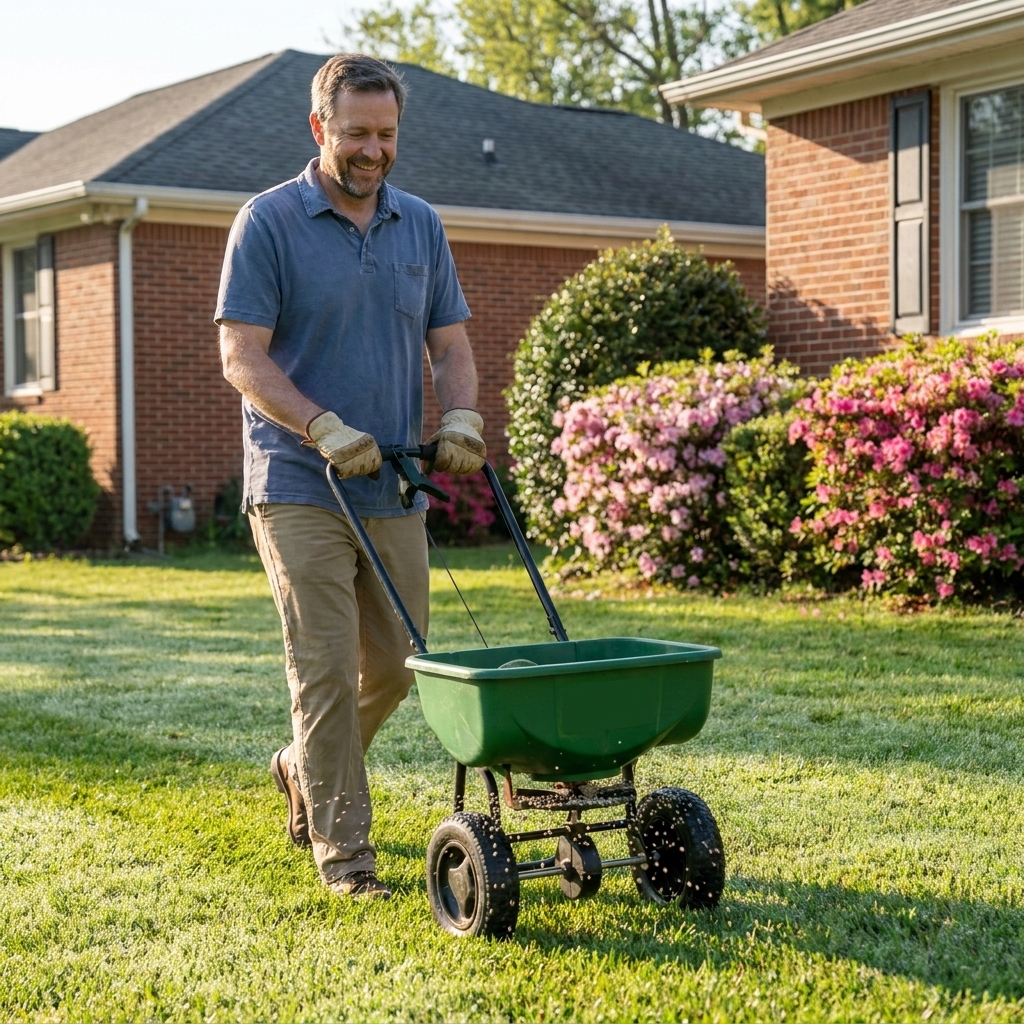
Timing is everything with weed control. Compare pre-emergent vs. post-emergent herbicides, plus application tips, common mistakes, and best use cases for lawns.
lawn care
Pet-Safe Weed and Pest Control
 Mark Vance
 is a former professional landscaper and the lead turf enthusiast at Yard Mentor. With over 15 years of experience in soil health, turf management, and residential landscaping, he is dedicated to helping homeowners transform frustrating dead patches into lush, healthy lawns. When he isn't testing new grass seed blends, you can find him enjoying a Saturday morning coffee looking out over his freshly striped yard.
Updated October 17, 2026
Created October 17, 2026
Mark Vance
Mark Vance is a former professional landscaper and the lead turf enthusiast at Yard Mentor. With over 15 years of experience in soil health, turf management, and residential landscaping, he is dedicated to helping homeowners transform frustrating dead patches into lush, healthy lawns. When he isn't testing new grass seed blends, you can find him enjoying a Saturday morning coffee looking out over his freshly striped yard.
Updated October 17, 2026
Created October 17, 2026
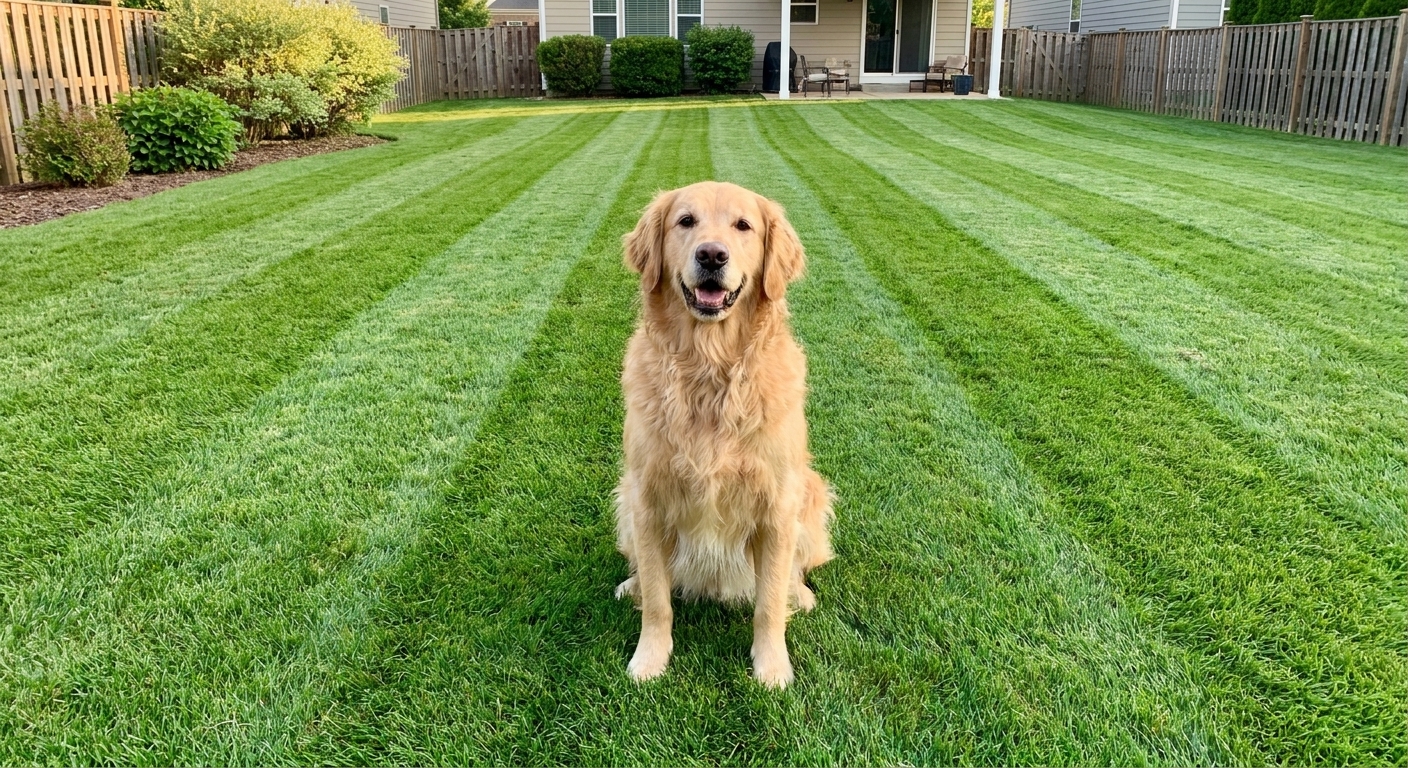
If you have a dog and a lawn, you've probably faced the same annoying tug-of-war I have: you want thick, healthy turf, but you also want peace of mind that your buddy can roll, sniff, and sprint without being exposed to something sketchy.
The good news is you can control most common lawn weeds and pests with a pet-safe strategy. It's less about finding one perfect “safe” product and more about using the right tool, at the right time, in the right way. I'll walk you through the options I trust, the labels I look for, and the habits that cut chemical use way down.
What “pet-safe” really means
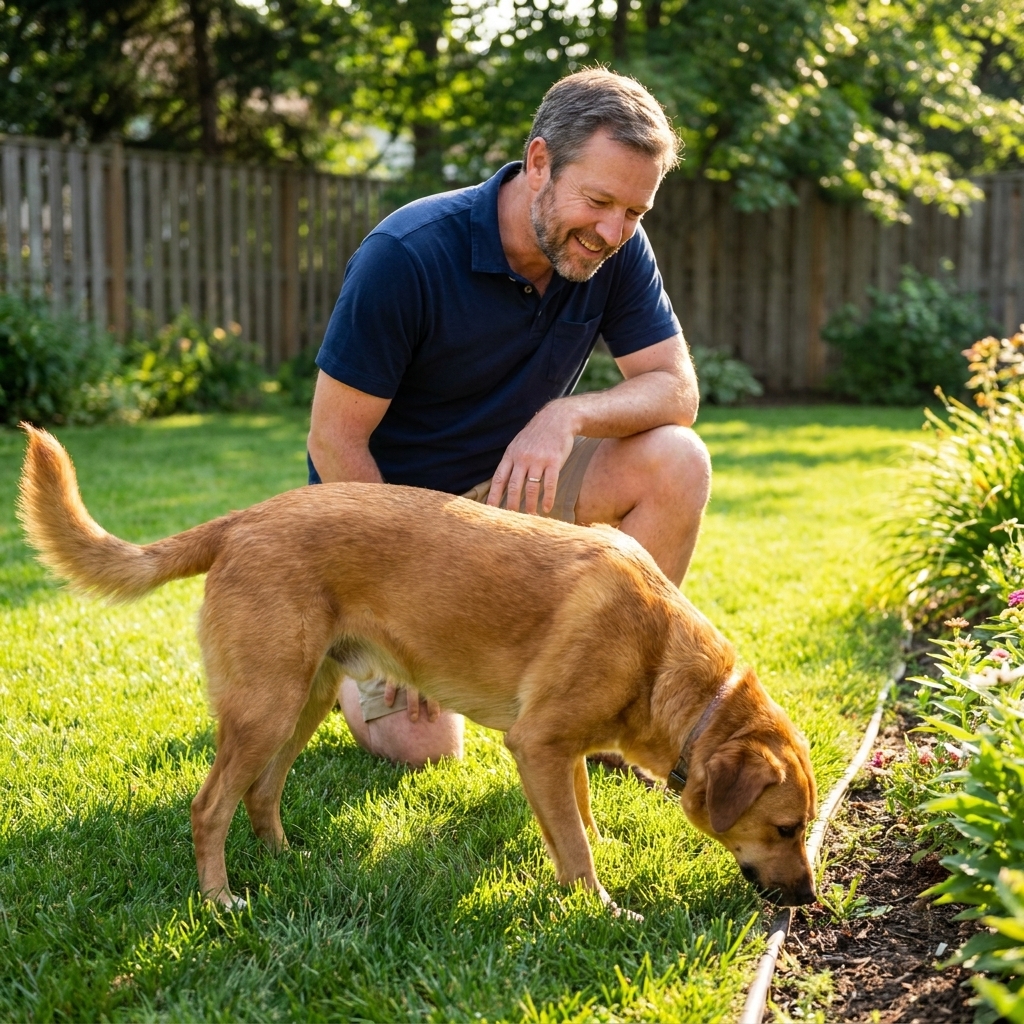
Here's the honest truth: nothing you apply to a lawn is automatically harmless. Even products marketed as “natural” can irritate paws, upset a stomach if licked, or cause issues for sensitive pets.
When I say pet-safe, I mean:
- Lower-toxicity active ingredients when a treatment's necessary
- Targeted application (spot treating instead of blanket spraying whenever possible)
- Proper drying and re-entry time so your dog isn't walking through wet product
- Storage and cleanup so concentrate, spills, and contaminated gear stay out of reach
Rule of thumb: keep pets off treated areas until the application is fully dry, and longer if the label states a specific re-entry window. One important nuance: some labels require a set number of hours (or more) even if the lawn feels dry to you. If a label conflicts with anything you read online, the label wins.
Start with prevention
If you want fewer weeds and fewer bugs with fewer treatments, focus on lawn health. Most “infestations” are really symptoms of thin turf, compacted soil, poor drainage, or mowing mistakes.
Make your lawn more weed-resistant
- Mow high: For cool-season lawns, 3 to 4 inches is a sweet spot for shading out weed seedlings. For warm-season lawns, follow your grass type, but avoid scalping.
- Fertilize appropriately: Underfed lawns get thin. Overfed lawns can invite disease and certain pests. Use a slow-release fertilizer on a seasonal schedule.
- Water deeply, less often: Shallow daily watering creates shallow roots and stressed turf. Aim for infrequent soakings that total about 1 inch per week including rain, adjusted for heat.
- Overseed thin areas: Bare soil is a weed invitation. A thick stand of grass is your best “product.”
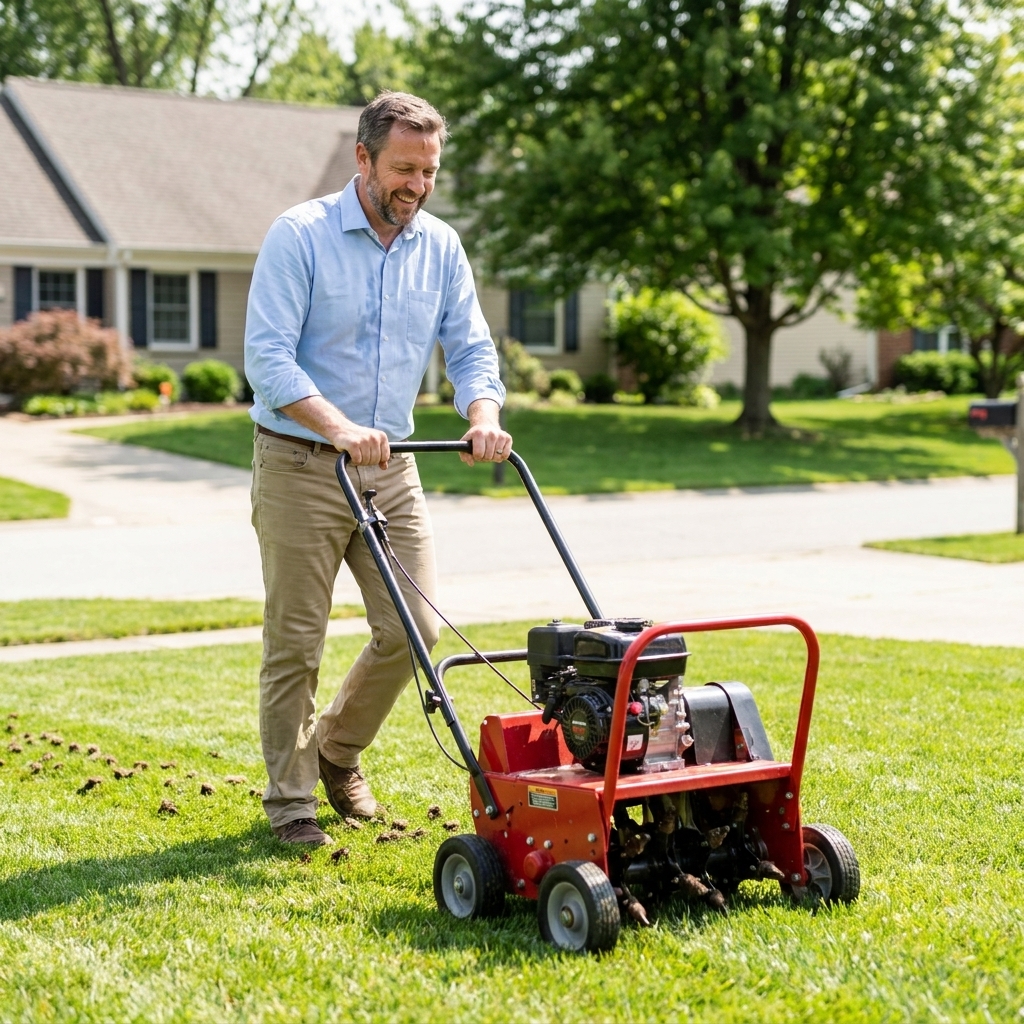
- Fix compaction: Core aerate if your soil's hard like a parking lot or water pools after rain.
Pet-safe weed control that works
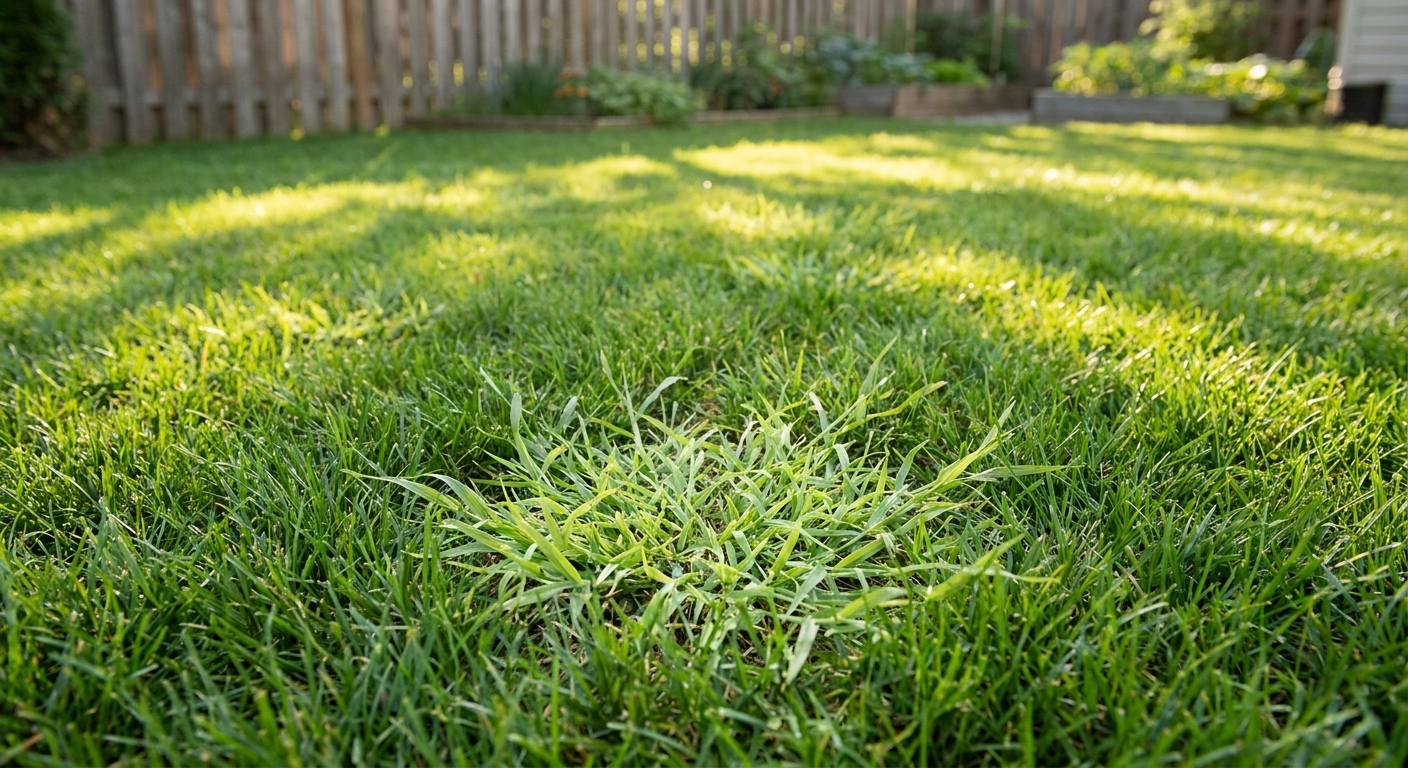
Weeds fall into three categories: broadleaf weeds (dandelion, clover), grassy weeds (crabgrass), and sedges (nutsedge). The pet-safe approach changes depending on what you're dealing with.
1) Physical removal
If you've got a handful of weeds, nothing beats a weeding tool and a little patience.
- Pull after rain or watering, when soil is soft.
- Get the root, especially for dandelions.
- Fill divots with soil and seed so weeds don't return.
2) Spot-treat selective herbicides
If weeds are widespread, selective herbicides can be used in a pet-smart way. The key is spot treating and respecting dry time and label re-entry rules.
Look for these active ingredients on labels (common in lawn-safe broadleaf weed killers):
- Iron (FeHEDTA): Often sold as “iron-based” broadleaf weed control. It can be a good option for targeting clover and dandelions. It can darken grass temporarily and may stain hardscapes, so be careful near concrete.
- 2,4-D, MCPP (Mecoprop), Dicamba: Common in three-way broadleaf herbicides. These can be effective, but treat them with respect. Keep pets off until the label says it's safe, and consider spot applications only.
Avoid spraying on windy days. Drift is how products end up on dog toys, patios, vegetable gardens, and the neighbor's yard. I also skip spraying right before a heavy rain, since runoff and tracking get a lot more likely.
3) “Natural” contact weed killers
Vinegar-based, fatty-acid, or soap-based weed killers can burn back small weeds, especially in cracks or gravel. On lawns, they can also burn turf because they aren't selective.
- Use them for hardscapes, not for broad lawn coverage.
- Expect repeat applications.
- Keep pets off until completely dry. “Natural” doesn't mean “safe to lick.”
4) Pre-emergent weed control
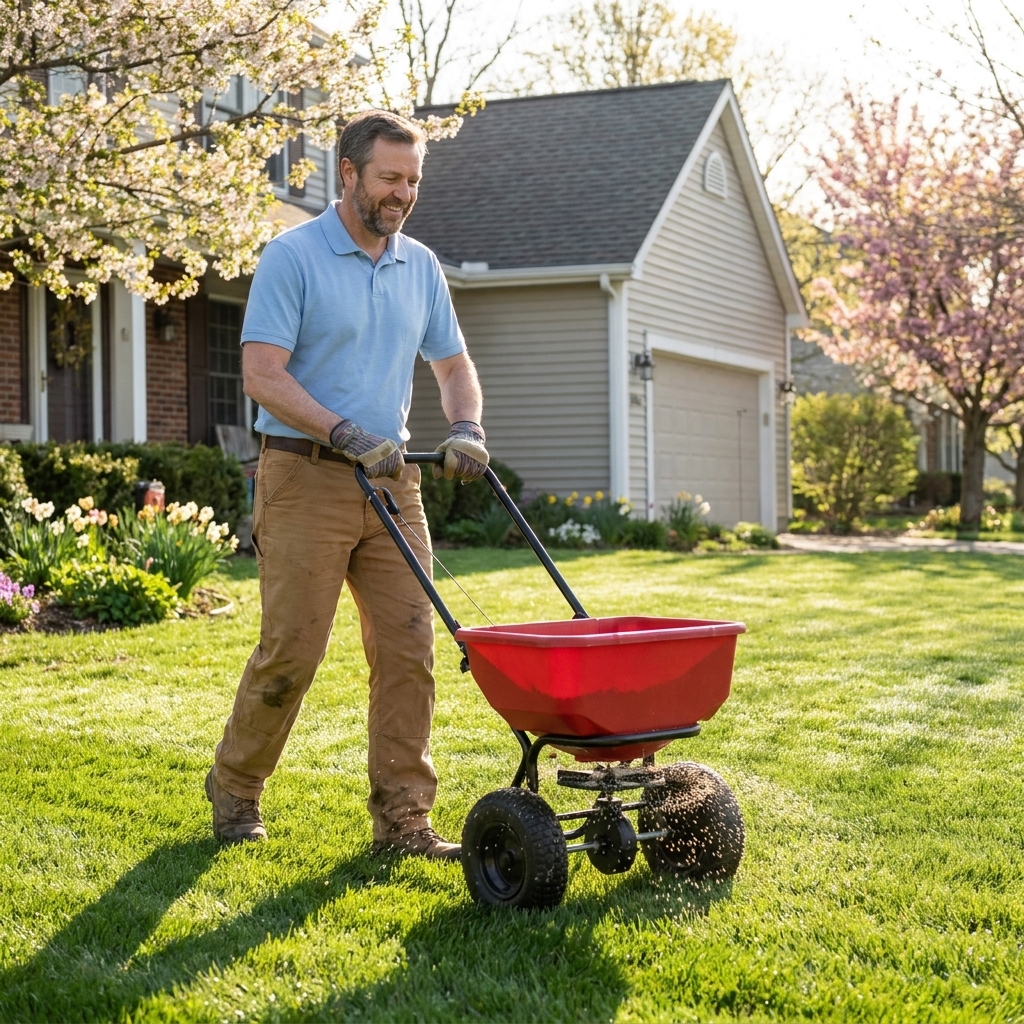
Crabgrass prevention is where many homeowners over-apply product. If you go the pre-emergent route, aim for correct timing for your region and follow the label on whether it should be a single application or a split application.
- Calibrate your spreader so you're not laying down extra.
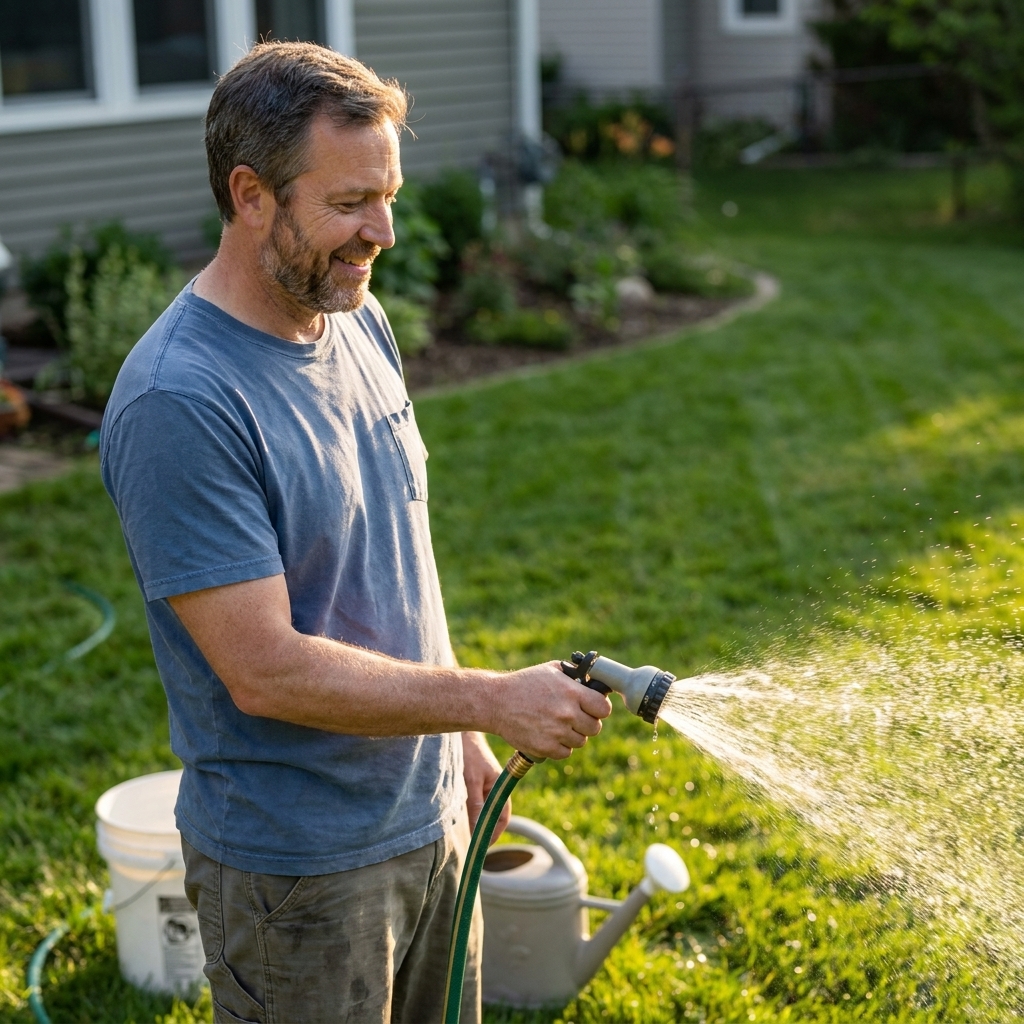
- Water it in per label directions, then keep pets off while watering and until the surface dries again.
- Don't use pre-emergent if you plan to seed soon. Most will block grass seed too.
Pet-safe insect control
Most lawns have insects. That's normal. The goal is controlling damaging pests when they cross a threshold, not nuking everything “just in case.” That mindset's better for pets and for beneficial insects.
Step 1: Identify the pest
Common lawn culprits include:
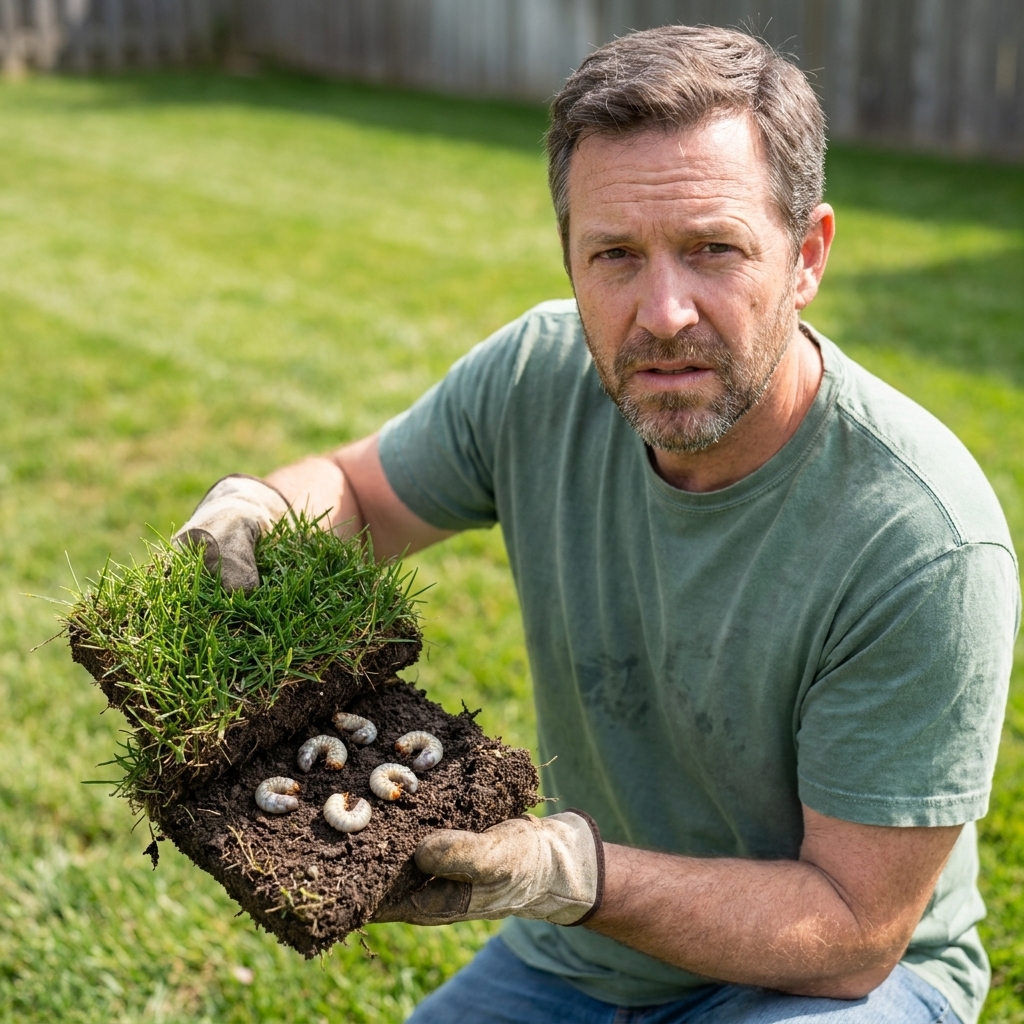
- Grubs: Patches that lift like a carpet, skunks or raccoons digging, wilting in spite of watering.
- Chinch bugs: Hot, sunny areas thinning out, often in warm-season lawns. For example, St. Augustinegrass is a classic target in many regions.
- Sod webworms and armyworms: Ragged chewing, birds pecking at turf, visible caterpillars at dusk.
- Fleas and ticks: Often a landscape edge issue, not a whole-lawn issue.
If you're not sure, do a quick check. For grubs, peel back a 1-square-foot flap and count. For caterpillars, a soapy water flush can bring them up.
About thresholds: they vary by grass, season, and region. Many extension offices use a range of about 5 to 10 grubs per square foot as a starting point for “consider treatment,” but local guidance is best. If you're on the fence, compare your count to your local extension's recommendations before you treat.
Step 2: Try lower-toxicity options first
These are common “pet-friendlier” approaches when used correctly:
- Beneficial nematodes: Microscopic organisms that target certain soil pests. Best when soil is moist and temperatures are in the appropriate range for the species you buy. Water in and keep the area moist per instructions.
- Bt (Bacillus thuringiensis): A targeted biological control for certain caterpillars. Works best on young larvae and needs to be eaten to work.
- Spinosad: Often used for chewing insects. Effective, but it's still a pesticide. Use late day, keep pets off until dry, and avoid spraying blooms.
- Diatomaceous earth (food grade): Useful in dry, protected areas for some crawling insects. It loses effectiveness when wet, so it's usually impractical on irrigated lawns. It can also irritate lungs if inhaled, so I don't broadcast it where pets (or kids) can kick up dust. Apply carefully and keep pets away during dusting.
My dog-first rules
These habits matter as much as the product itself.
- Spot treat whenever possible. If only 10 percent of the lawn has weeds, treat 10 percent.
- Apply when your dog's inside. It's easier to be careful when you're not multitasking with a curious pup.
- Follow “dry plus time.” I wait until fully dry, then add a buffer, usually a few extra hours or until the next morning for paw-lickers and damp lawns.
- Water in only when the label says. Some products need irrigation to move into soil, others should stay on leaves.
- Pick up toys, bowls, and chew sticks first. Then wash anything that was left out by accident.
- Store concentrates locked up. Most pet exposures happen in garages and sheds, not on the lawn.
- Clean equipment. Rinse sprayers and spreaders where runoff won't go into storm drains or areas your dog frequents.
- Don't treat right before heavy rain. Runoff can move product into places you didn't intend, and wet paws track more inside.
Granules, fertilizer, and fungus treatments
A lot of pet exposures aren't from “weed killer” at all. They're from everyday lawn stuff that smells interesting or sticks to paws.
Granules vs. sprays
- Granular products can cling to paws, especially if they aren't watered in as directed.
- Water-in rules matter: some granules are meant to be irrigated immediately, others are not. Follow the label, then keep pets off during watering and until the lawn is dry again.
- Sweep up spills from driveways and patios right away, and don't rinse them into the street.
Fertilizers and fungicides
- Fertilizer isn't harmless. Some fertilizers can cause drooling, vomiting, or diarrhea if a dog eats granules, and certain “weed-and-feed” products combine fertilizer with herbicide, which adds another layer of risk.
- Fungicides are pesticides too. If you're treating for fungus, use the same approach: correct ID first, targeted application, and strict re-entry rules.
Product types I use
I can't see your exact lawn from here, but these categories cover most situations with a pet-conscious approach. Always double-check your grass type on the label.
For broadleaf weeds in turf
- Iron-based selective weed control for clover and dandelions when you want a lower-odor, targeted option.
- Selective “three-way” broadleaf herbicide when weeds are widespread and you need strong control. Spot treat first, broadcast only if you truly need it.
For crabgrass prevention
- Well-timed pre-emergent application, or a split application if the label calls for it, using a calibrated spreader. Keep pets off until it's watered in and the lawn is dry again, plus any additional label re-entry time.
- Better option when you plan to seed: skip pre-emergent and lean on mowing height and overseeding to thicken turf.
For grubs
- Beneficial nematodes as a biological option when conditions match.
- Targeted grub control only after confirming grub counts and damage. Avoid “just because” treatments.
For fleas and ticks in the yard
This is often more about edges than the open lawn.
- Keep grass and weeds trimmed along fences, sheds, and brush lines.
- Remove leaf piles and reduce moist hiding spots.
- Consider targeted yard treatments only where pets actually travel and rest.
Common pet-risk mistakes
- Spraying right before a walk. Wet paws track product indoors, onto carpets, and into licking range.
- Overapplying. More isn't better. It's just more exposure and sometimes more lawn damage.
- Using agricultural concentrates without experience. Stick with homeowner-labeled products unless you truly know what you're doing.
- Ignoring temperature. Many herbicides volatilize and drift more in high heat. Early morning or evening is often safer and more effective.
- Treating the wrong problem. A brown patch might be drought stress, fungus, dog urine, or dull mower blades, not insects.
- Leaving granules on hard surfaces. Dogs can lick them up, and rain can wash them where you don't want them.
If your dog got onto treated grass
If your dog got onto a treated area too soon, don't panic.
- Rinse paws with lukewarm water and towel dry.
- Prevent licking until paws are clean and dry.
- Watch for symptoms like drooling, vomiting, lethargy, paw irritation, or wobbliness.
- Call your vet if you notice symptoms, and have the product label available.
In the United States, you can also contact ASPCA Animal Poison Control (fees may apply) for guidance if ingestion is suspected.
Quick lawn routine
Weekly
- Mow high and keep blades sharp.
- Walk the yard and spot-pull new weeds before they seed.
- Check for new thin spots and address them early.
Spring
- Soil test if you haven't in the last 2 to 3 years.
- Consider overseeding thin cool-season lawns.
- Apply pre-emergent only if you're not seeding and crabgrass is a known issue, and follow the label on single vs. split applications.
Summer
- Water deeply and avoid midday watering.
- Treat weeds by spot spraying in cooler parts of the day.
- Investigate brown areas before applying insecticide or fungicide.
Fall
- Best season for cool-season overseeding.
- Fertilize appropriately to build strong roots.
- Keep leaves from smothering turf.
FAQ
How long after weed killer can dogs go on the lawn?
Follow the label. As a general practice, keep dogs off until the product's completely dry, plus any additional re-entry time listed on the label. Some products require a set waiting period even if the lawn feels dry.
Are “pet-safe” lawn weed killers really safe?
They can be safer, but they aren't risk-free. The safest approach is spot treatment, correct dosage, and strict re-entry rules.
What's the safest way to handle dandelions with dogs?
For small numbers, hand pulling is the safest. For larger infestations, an iron-based selective herbicide is often a practical compromise when applied carefully and allowed to dry fully, and after any label re-entry time.
Can I use diatomaceous earth on my lawn for bugs?
You can, but it works best dry and is usually impractical on irrigated turf. Apply carefully to avoid airborne dust, and don't broadcast it in areas where pets can inhale dust or track it inside.
What if my lawn has fleas and ticks?
Start by reducing habitat: trim edges, remove leaf litter, and keep brushy zones cleaned up. Target treatments to pet travel routes and shaded resting areas rather than blanket treating the entire lawn.
The takeaway
You don't need to choose between a good lawn and a safe dog. Build thick turf first, identify problems before treating, and spot-apply the least aggressive product that'll do the job. If you do that, you'll use fewer chemicals overall, and your lawn will look better for it.
Got a tricky weed, bug, or patch that's stumping you? Bring the product label and a few clear yard photos to your local extension office or a trusted garden center, and you'll get advice that's specific to your grass, your region, and your dog-friendly priorities.